
Starting a vegetable garden from scratch can feel exciting and a little overwhelming, especially if you’re new to it. The good news is you don’t need years of experience to grow your own fresh produce.
Many vegetables are surprisingly easy to start from seeds, giving you healthy plants and delicious harvests with just a bit of care.
You’ll enjoy the process of watching them sprout, grow, and fill your kitchen with vibrant greens and colorful produce. Here are 23 vegetables that make gardening simple, rewarding, and perfect for beginners.
#1 Spinach
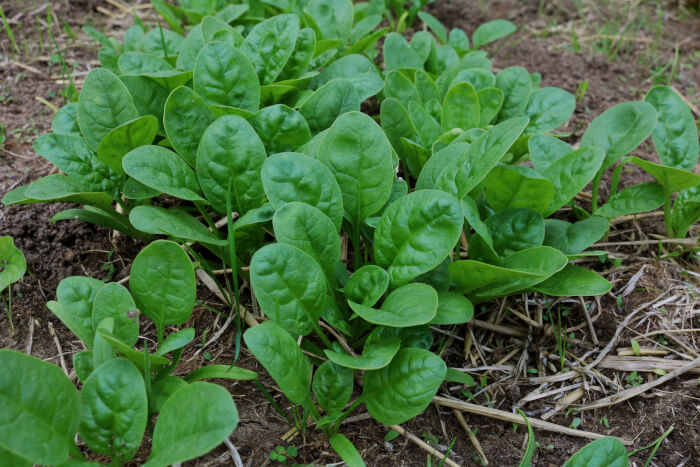
Spinach thrives in cool weather and can handle a light frost without trouble. For best results, sow the seeds directly into the soil as soon as it’s workable in early spring.
Keep the soil moist until seedlings appear, then water regularly to keep the leaves tender. Harvest the outer leaves first so the plant keeps producing. This way, you’ll enjoy fresh greens for weeks.
#2 Swiss Chard
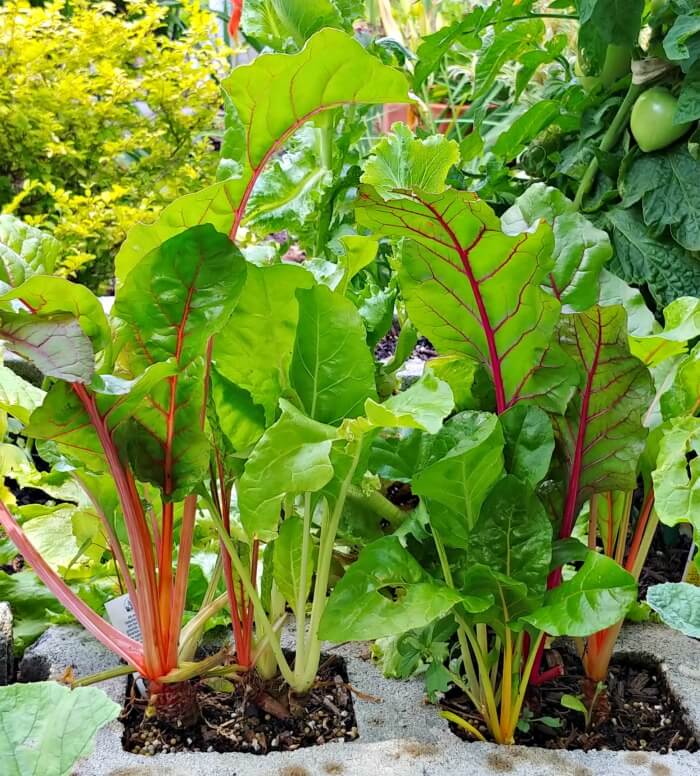
Swiss chard is colorful, nutritious, and very forgiving for new gardeners. Plant the seeds outside as soon as the soil warms a little in early spring.
Give them plenty of sunlight and water regularly to encourage lush growth. You can cut the outer stalks and let the center continue growing for multiple harvests. It adds both beauty and flavor to your garden.
#3 Beet
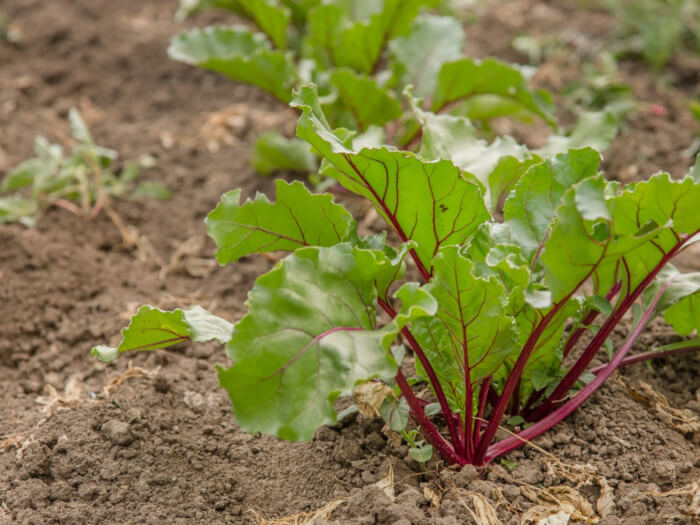
Beets grow quickly in cool weather and reward you with both sweet roots and tasty greens. Sow seeds 2–4 weeks before the last frost directly into your garden.
Thin seedlings so each plant has room to develop round, healthy roots. Keep the soil loose and weed-free to avoid misshapen beets. You can pull them young for tender baby beets or wait for full-size.
#4 Peas
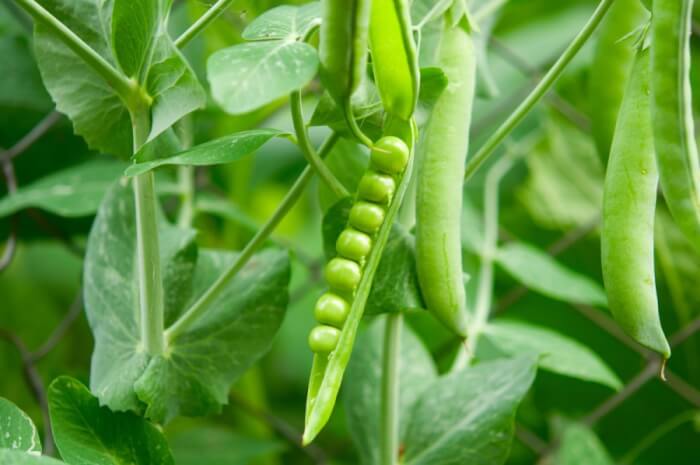
Peas love cool conditions and will climb happily with a little support. Plant seeds directly into the ground in early spring for the best results.
Provide a trellis or netting for vines to grab onto as they grow. Water evenly to keep pods sweet and plump. The more you pick, the more they produce.
#5 Arugula
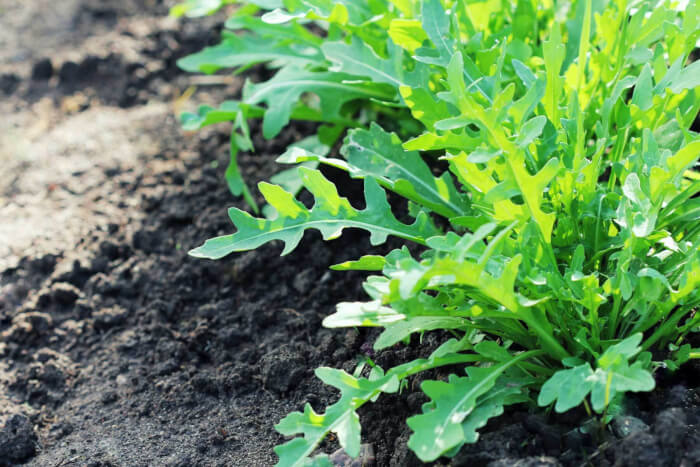
Arugula grows fast and brings a peppery kick to salads and sandwiches. Plant seeds outdoors 2–4 weeks before the last frost in early spring.
Keep the soil evenly moist to prevent bitterness. Harvest young leaves for the best flavor, and let some plants flower if you want seeds for next time. It’s one of the easiest greens to keep on hand.
#6 Cucumbers
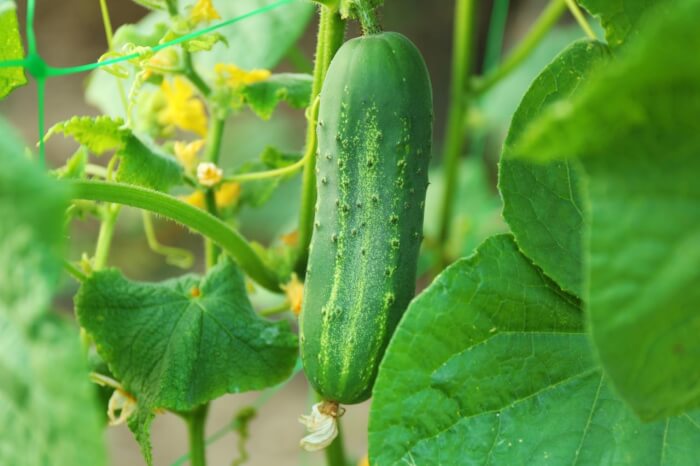
Cucumbers grow best in warm, sunny spots and don’t like being disturbed. Plant seeds directly into the garden a couple of weeks after frost when the soil feels warm to the touch.
Keep the plants well-watered, especially during flowering and fruiting. A trellis will keep vines tidy and fruit clean. You’ll be picking crisp cucumbers before you know it.
#7 Lettuce
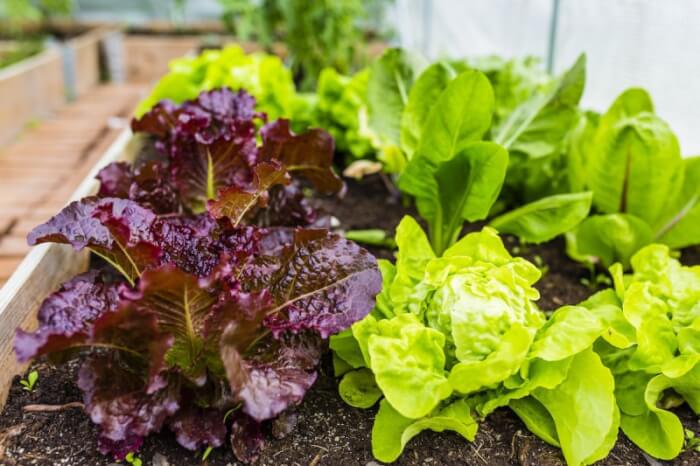
Lettuce is a quick grower and ideal for repeat harvests. Sow seeds directly outdoors 4–6 weeks before your planting date in cool spring weather.
Keep the soil moist for tender leaves, and pick outer leaves regularly to encourage more growth. Try mixing different varieties for colorful salads. With a little planning, you can enjoy fresh lettuce almost nonstop.
#8 Peppers
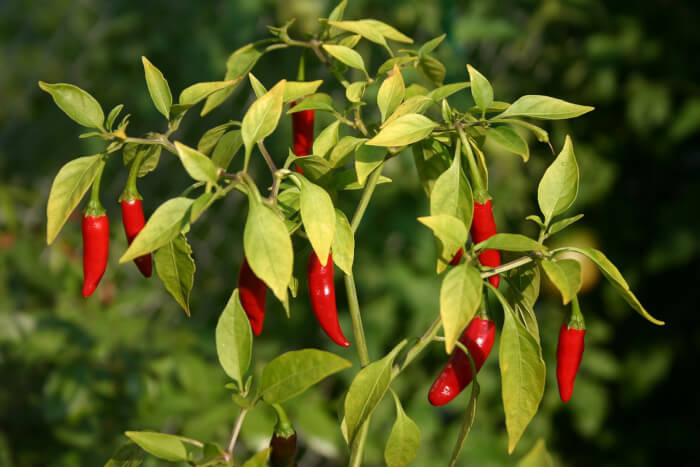
Peppers love heat, so give them a head start indoors. Start seeds 8–12 weeks before the last frost, then transplant outdoors once the danger of cold has passed.
Choose a sunny location and water regularly for healthy growth. Support taller varieties with stakes to keep stems from bending under the weight of fruit. Soon you’ll have peppers in every color.
#9 Collards
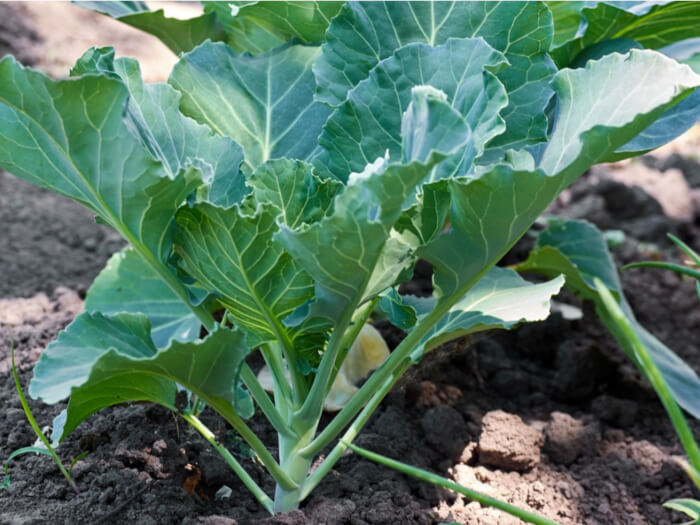
Collards are tough, cold-loving greens that grow well from seeds. Sow them outdoors 2–4 weeks before your planting date in early spring.
Keep the soil evenly moist and remove any yellowing leaves to encourage healthy new growth. Harvest leaves from the bottom up to keep plants productive. They stay sweet even after a light frost.
#10 Kale
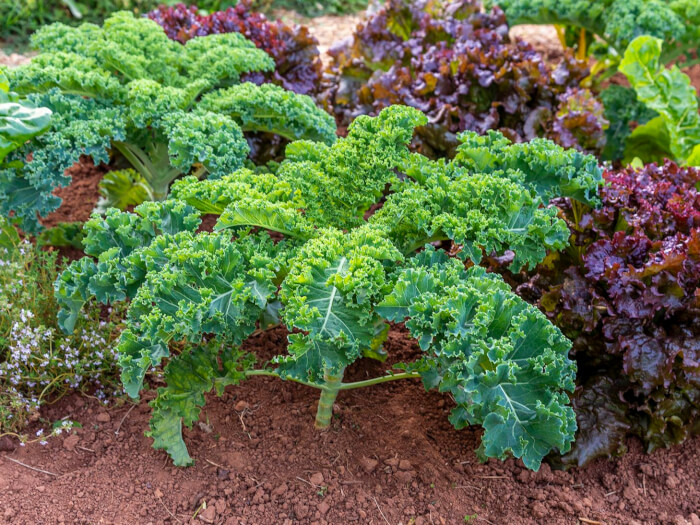
Kale is a hardy green that thrives in cooler weather. Plant seeds in early spring once the soil is workable, or even earlier in milder climates.
Water regularly and remove damaged leaves to keep plants healthy. You can pick young leaves for tender salads or let them mature for hearty cooking greens. It’s a dependable crop for any beginner.
#11 Eggplant

Eggplant grows beautifully in warm soil and sunny spots. Start seeds indoors 8–12 weeks before planting out, then move them to the garden when the weather is settled.
Space plants well to allow for their wide growth. Keep the soil evenly moist for tender fruit. Harvest when skins are glossy for the best flavor.
#12 Squash
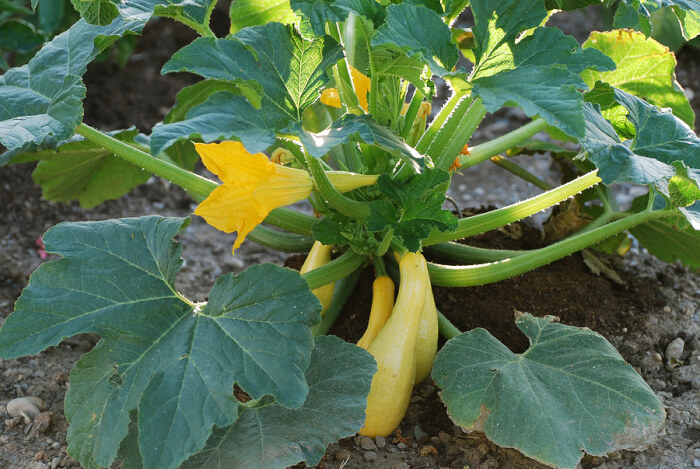
Squash is a garden favorite that grows fast from seeds. Direct sow when the soil is warm and choose a sunny area with room for sprawling vines.
Water deeply to encourage strong roots. Pick fruit while it’s still young for a tender texture. Regular harvesting will keep plants producing longer.
#13 Okra
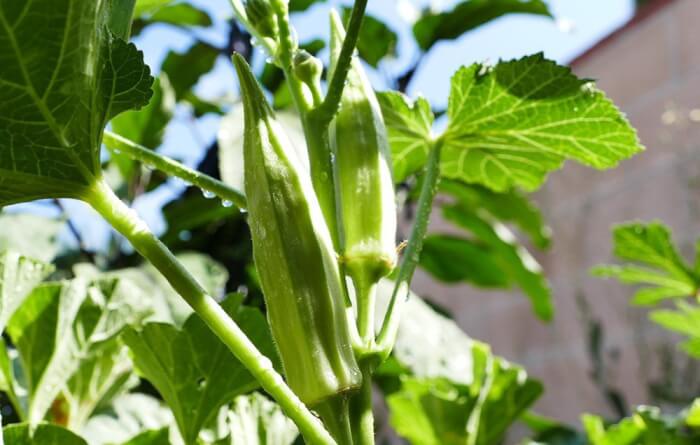
Okra loves heat and sunshine. Start seeds indoors 4–6 weeks before the last frost, then transplant once the soil is warm.
Water consistently for tender pods, and pick them often to keep new ones coming. The plants add a striking look to your garden with their tall stalks and pretty flowers.
#14 Pumpkin
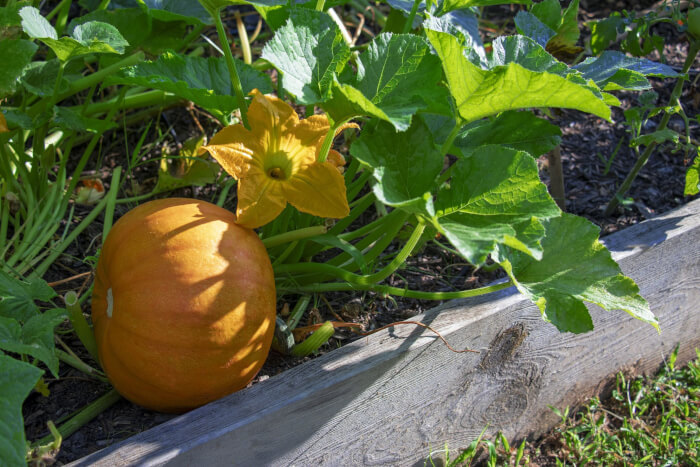
Pumpkins need warm soil and space to spread. Sow seeds directly in the garden about two weeks after frost when the soil is warm.
Water deeply and regularly for strong vines. Mulch around plants to keep weeds down and soil moist. Watch as tiny fruits turn into bright orange pumpkins ready for harvest.
#15 Melons
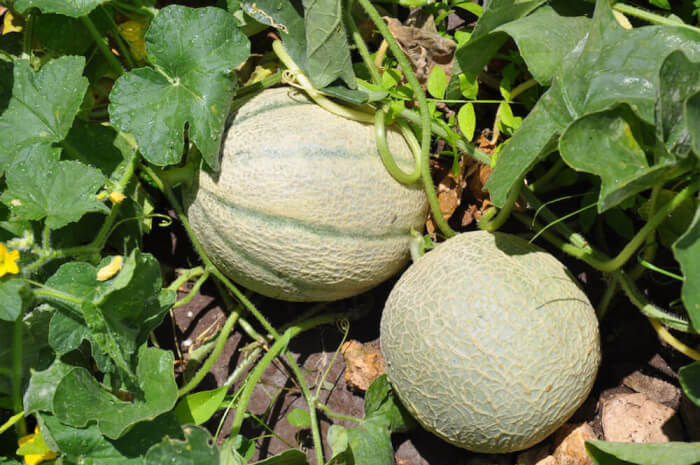
Melons thrive in sunny, warm conditions. Start seeds in biodegradable pots to reduce transplant shock, then plant them in the garden when the soil is warm.
Keep the ground evenly moist and add mulch to hold heat. Give vines space to roam, and you’ll enjoy sweet, fragrant fruit in summer.
#16 Beans
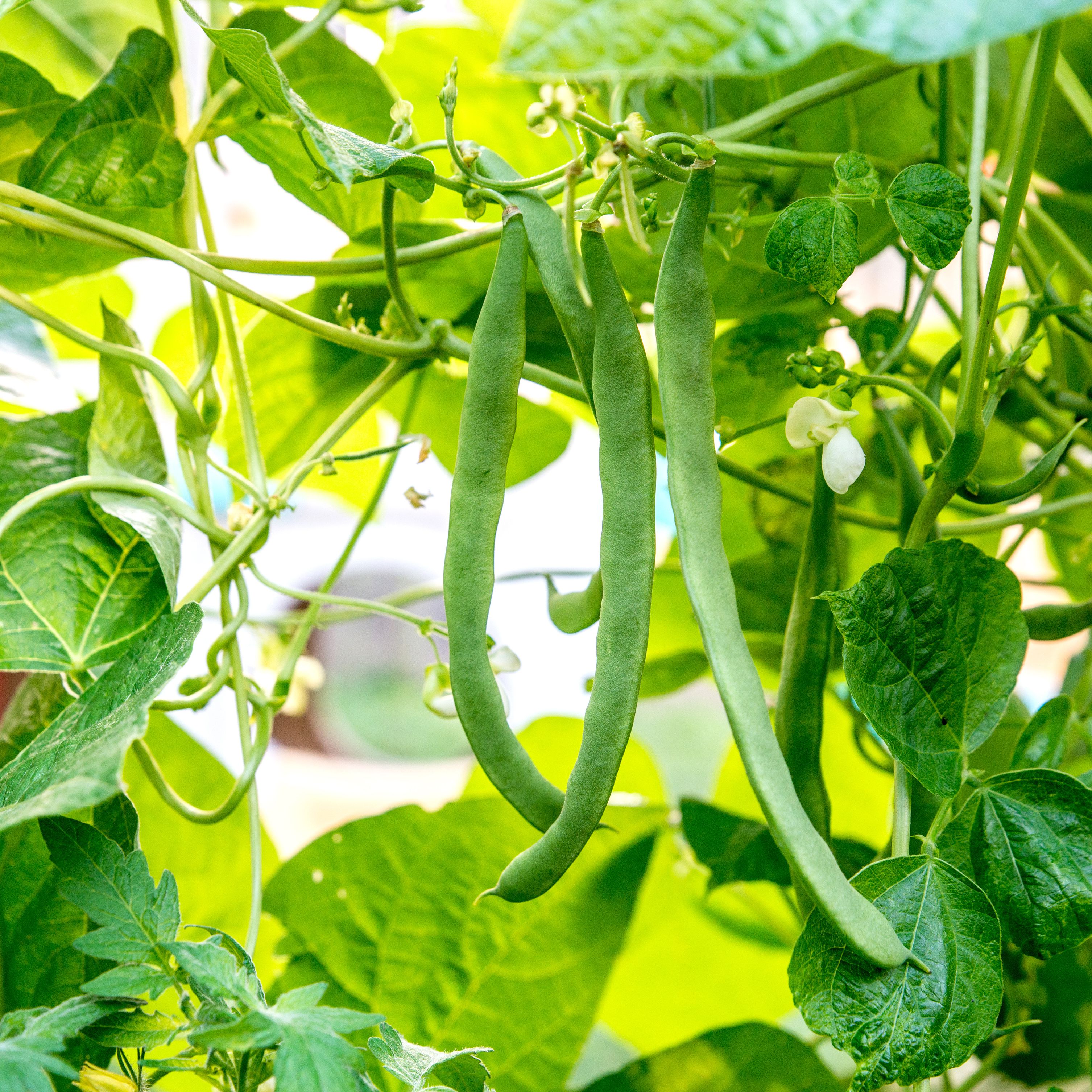
Beans are one of the easiest vegetables for beginners. Plant seeds directly outdoors a few weeks after frost when the soil has warmed.
Provide a trellis for climbing types, or let bush varieties grow freely. Water regularly during flowering for full pods. Harvest often to keep the plants producing.
#17 Cress
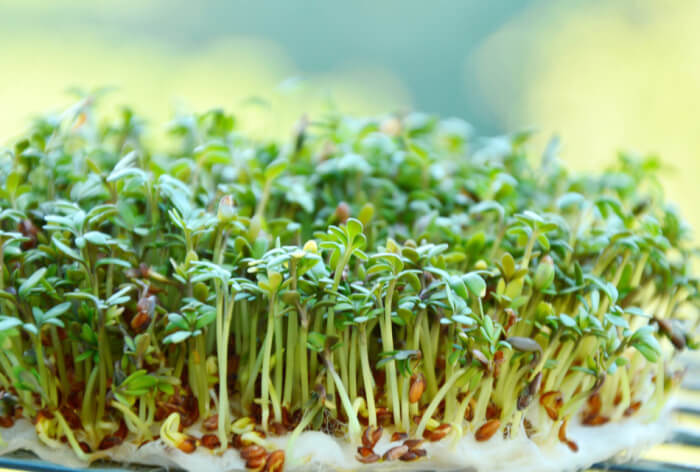
Cress is a fast grower, perfect for cool-season planting. Sow seeds directly 4–6 weeks before the last frost in spring. Keep the soil moist for the best flavor and texture.
You can cut leaves when young for a fresh, peppery taste. Plant every couple of weeks for a steady supply.
#18 Edamame
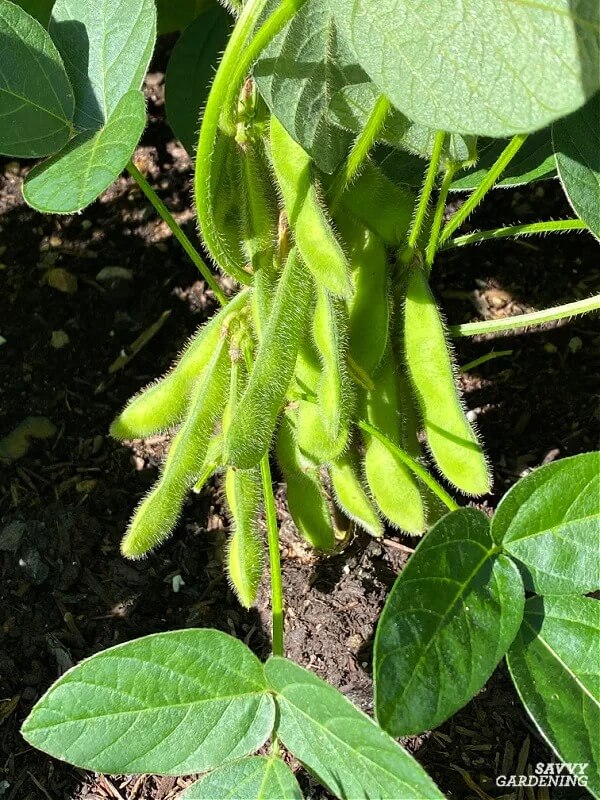
Edamame enjoys warm soil and long days. Plant seeds outdoors after frost when the soil is comfortably warm. Keep the plants well-watered, especially during flowering.
Harvest pods while still green and plump for the sweetest flavor. They make a fun and healthy snack straight from the garden.
#19 Rutabaga
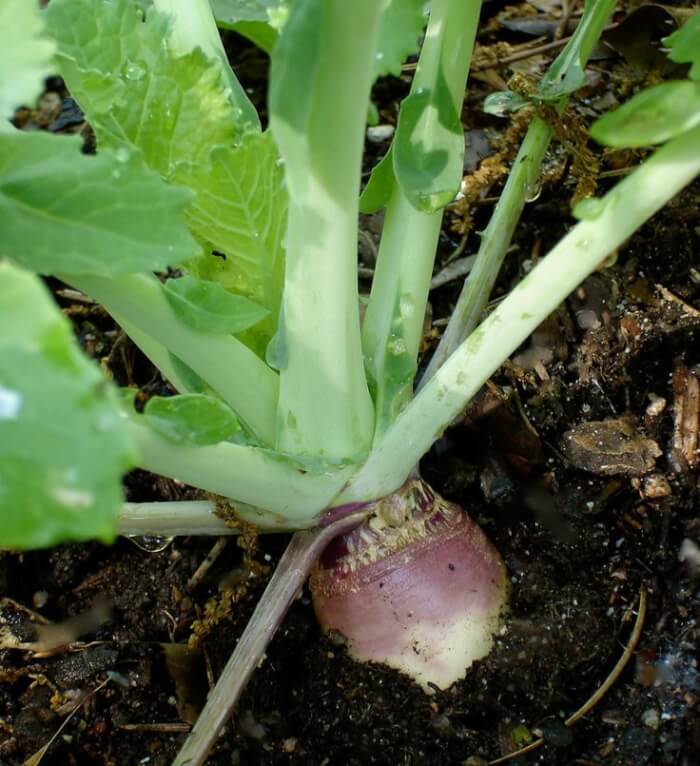
Rutabaga is a cool-season crop that grows best from seeds. Sow directly outdoors 4–6 weeks before your planting date in spring.
Keep the soil loose to help roots develop evenly. Harvest when the roots are firm and smooth for the best taste. The greens are also edible and delicious.
#20 Mache
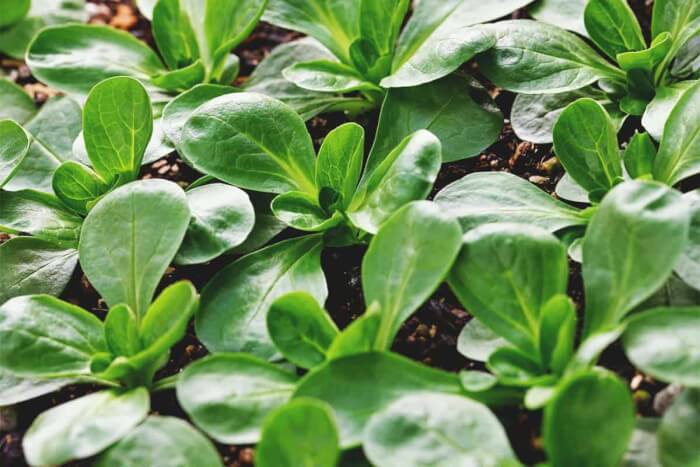
Mache grows best in cool weather and will bolt when temperatures climb. Sow seeds outdoors 4–6 weeks before the last frost.
Keep the soil damp for tender leaves. Harvest young plants for a mild, nutty flavor. It’s a wonderful addition to early spring salads.
#21 Turnip
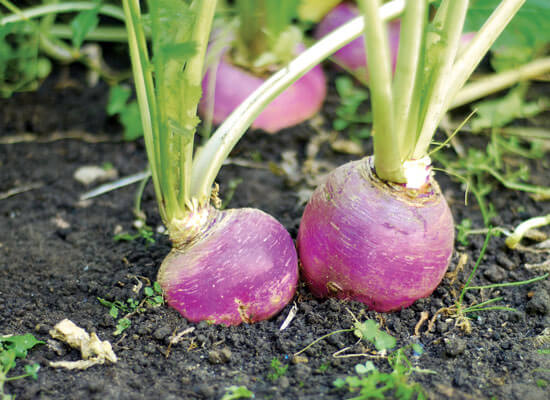
Turnips are quick-growing and versatile. Plant seeds directly into the garden as soon as the soil can be worked. Water consistently to keep roots tender.
You can pick small turnips early or wait for them to mature. The leafy greens are also tasty and nutritious.
#22 Radishes
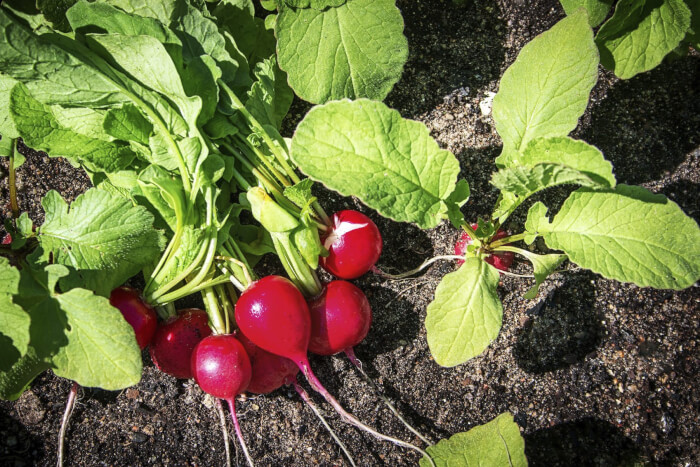
Radishes are among the fastest vegetables to mature. Direct sow seeds in early spring as soon as the ground thaws.
Thin seedlings for well-shaped roots. Keep soil moist to prevent them from becoming woody. Harvest promptly for crisp, peppery bites.
#23 Carrots
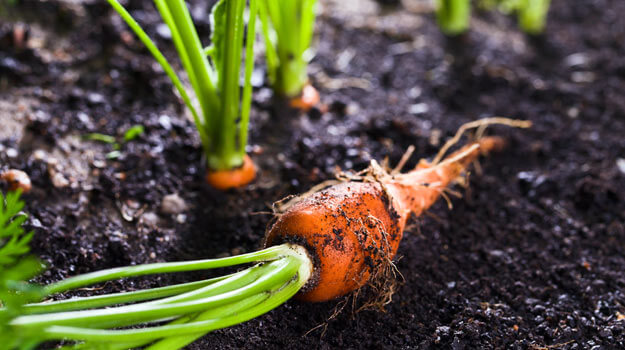
Carrots grow best in loose, well-drained soil. Plant seeds 3–6 weeks before the last frost in spring. Keep the seedbed moist until sprouts appear.
Thin seedlings to give roots room to grow straight. Pull them when they reach a bright color and firm texture.