
Beneficial flowers to grow in vegetable gardens can completely transform the way your plants grow. These blooms attract pollinators, deter harmful pests, and even improve soil health while adding bright colors to your garden.
Instead of relying on chemicals, you can use these companion flowers to support vegetables naturally. Many of them work as living mulch, provide moisture retention, and bring balance to your garden’s ecosystem.
By planting them in the right spots, you’ll enjoy stronger crops, fewer pests, and a more vibrant outdoor space. Let’s look at nine flowers that can make your vegetable patch healthier and more productive.
#1 Lavender
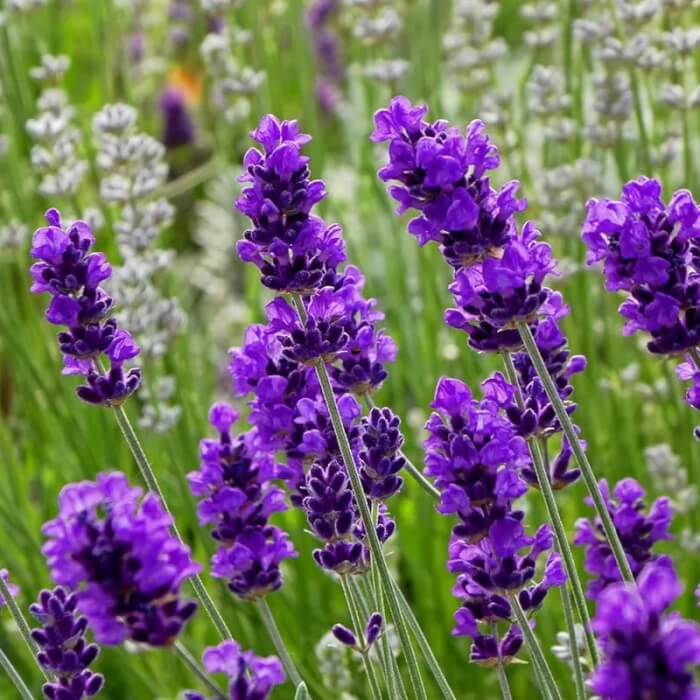
Lavender is a favorite for both pollinators and gardeners. Its purple blooms carry a strong fragrance that draws in bees and butterflies, helping your vegetables set more fruit.
Plant lavender near crops like cabbage, broccoli, and cauliflower for extra support. Choose a sunny location with well-drained soil to keep it thriving.
Trim spent blooms to encourage fresh growth and more flowers. You’ll enjoy its beauty while your vegetables grow stronger with the help of pollinators.
#2 Nasturtiums
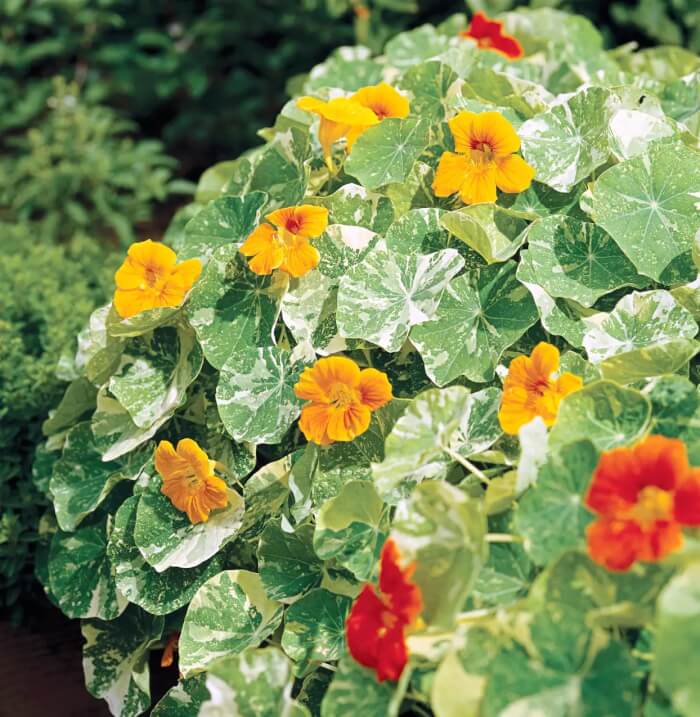
Nasturtiums bring vibrant colors and practical benefits to the garden. Their bright blooms attract hoverflies, which prey on aphids, making them a natural pest control ally.
These flowers also deter slugs and black flies, keeping tender vegetables safe. Plant nasturtiums alongside zucchini, beets, or brassicas like cabbage and Brussels sprouts.
They can trail beautifully over garden edges or climb with support. Harvest their edible leaves and flowers for salads while they keep your vegetables healthy.
#3 Marigolds
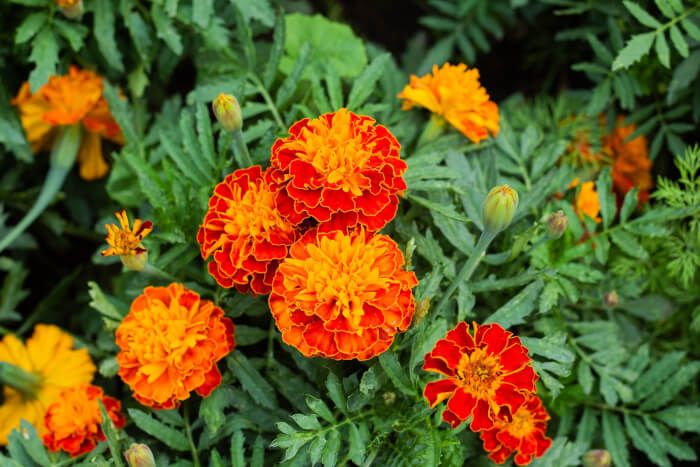
Marigolds are classic companion flowers known for their strong scent. They naturally repel nematodes and whiteflies, protecting crops like tomatoes, peppers, and beans.
Plant marigolds along the edges of your vegetable beds for the best results. They thrive in full sun and bloom continuously with minimal care.
Deadhead old flowers to encourage more blooms throughout the season. With marigolds in place, your garden gains both color and protection.
#4 Borage
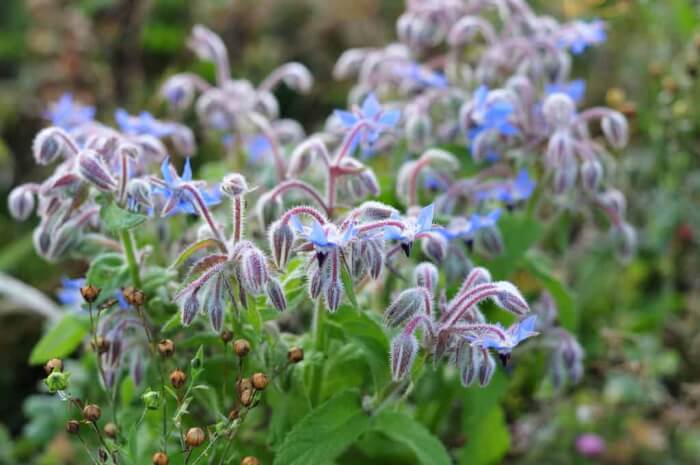
Borage is a star when it comes to attracting pollinators. Its blue, star-shaped flowers draw bees and butterflies while repelling tomato hornworms and other pests. Both the leaves and flowers are edible and have a cucumber-like flavor.
Plant borage near tomatoes, strawberries, or squash to give them an extra boost. It prefers full sun and can reseed itself for next year. A few plants will quickly spread and support your entire garden.
#5 Sweet Alyssum
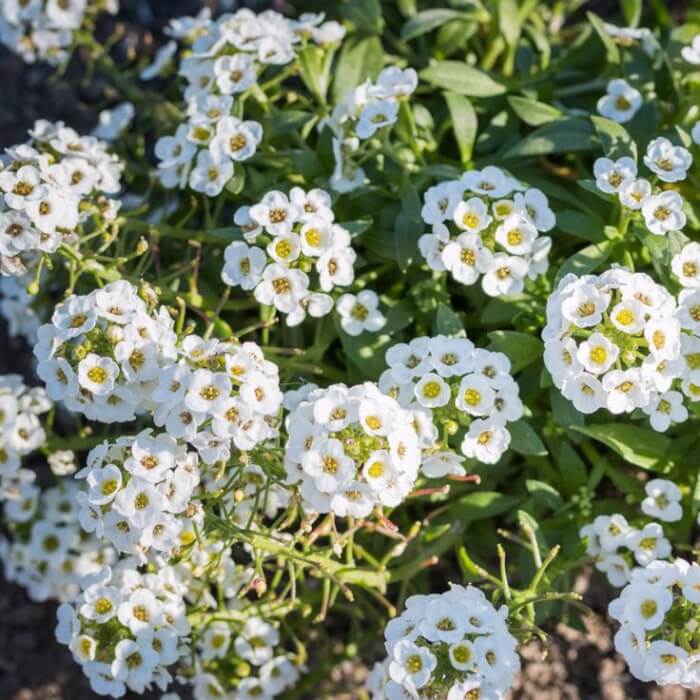
Sweet Alyssum is a delicate-looking flower with powerful benefits. It attracts beneficial insects such as lacewings, ladybugs, and predatory wasps that help keep pests in check.
This low-growing flower also acts as living mulch, helping soil retain moisture around vegetables. Grow it near onions, carrots, or broccoli to support their growth.
It prefers cooler weather but will bloom repeatedly with trimming. Its gentle fragrance adds charm while it quietly protects your garden.
#6 Calendula
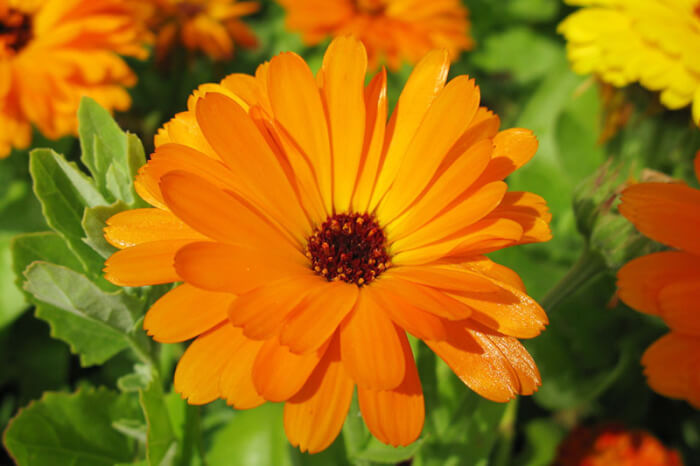
Calendula is often called the “pot marigold,” and it works hard in the vegetable garden. Its golden flowers attract pollinators while also repelling aphids and nematodes. Plant calendula near carrots, peas, or asparagus to improve their growth.
The plant’s thick roots help hold moisture in the soil and reduce weeds. You can also harvest the petals for teas or skin-soothing salves. With calendula, you get beauty, medicine, and a natural garden helper.
#7 Zinnia
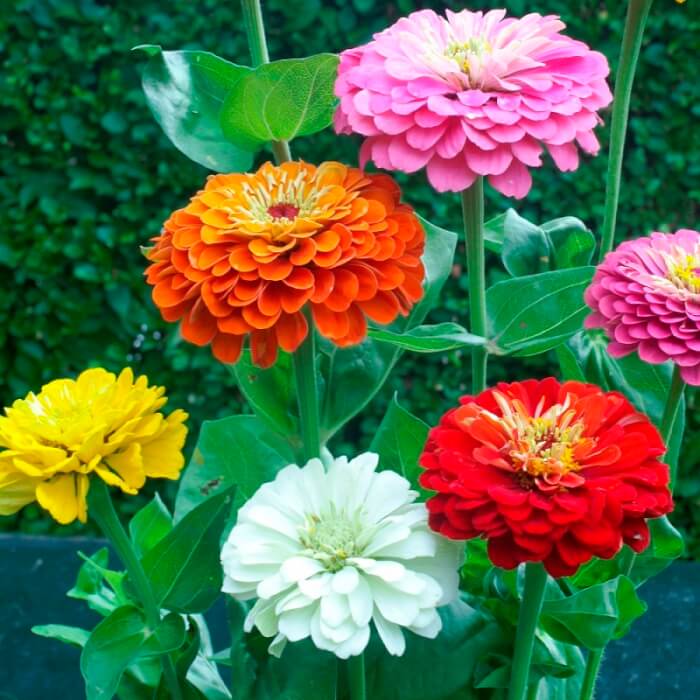
Zinnias add bursts of bright color while inviting pollinators like butterflies and hummingbirds. These helpful visitors eat pests such as whiteflies and keep tomato worms under control.
Plant zinnias near tomatoes, cucumbers, and potatoes for best results. They thrive in sunny locations and bloom steadily through summer.
Cut flowers regularly for bouquets to encourage more growth. A row of zinnias will keep your vegetable garden lively and pest-free.
#8 Chamomile
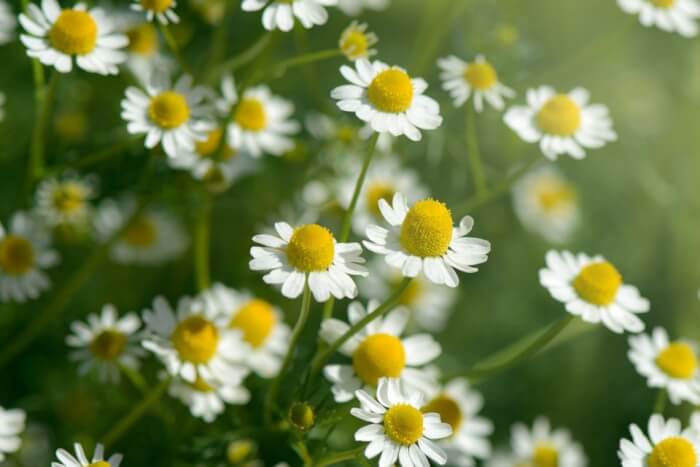
Chamomile is more than a soothing tea herb; it’s a garden healer. Its flowers release properties that improve the flavor and growth of nearby vegetables. Plant chamomile close to cabbage, beans, or onions to help them resist fungal issues.
It grows well in partial sun and needs regular watering to stay lush. Harvest flowers regularly to dry for teas or use fresh in recipes. This gentle flower protects your vegetables while giving you calming herbal remedies.
#9 Cosmos
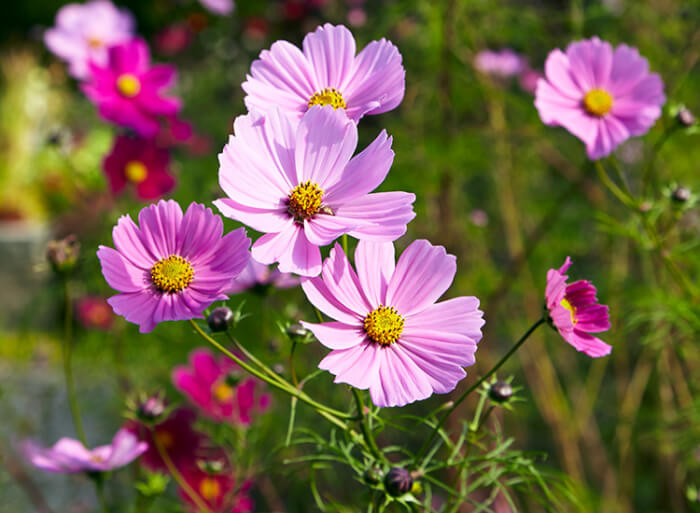
Cosmos bring airy beauty with tall stems topped by daisy-like blooms. They are excellent for attracting bees, butterflies, and hummingbirds, which support vegetable pollination.
Cosmos also deter aphids, making them a natural pest control option. Plant them in clusters near squash, beans, or peppers for better harvests.
They love full sun and tolerate poor soils, making them an easy choice. With cosmos, your vegetable patch gains both charm and balance.