
If insects are constantly bothering your vegetable beds and flowers, try planting natural companions that act as pest repellents. Some flowers produce strong scents, while others release chemicals into the soil or air that keep bugs away.
By choosing the right varieties, you’ll not only cut down on damage but also bring vibrant colors and fragrance to your garden. These insect-fighting blooms are easy to grow and safe for both you and the environment.
They also support biodiversity by attracting pollinators like bees and butterflies. Let’s explore nine flowers that can help you control insects naturally.
#1 Marigolds
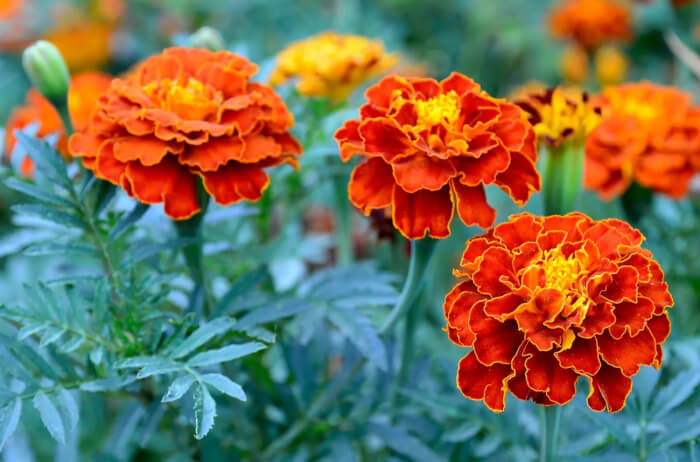
Marigolds are one of the most trusted flowers for natural pest control. Their strong scent repels mosquitoes, aphids, and even rabbits that might snack on your greens.
The roots also release compounds that drive away nematodes hiding in the soil. Gardeners often plant marigolds next to tomatoes to reduce whitefly problems.
These cheerful orange and yellow blooms add brightness to borders while doing the work of a pesticide. Plant them in sunny spots, and they’ll bloom generously while protecting your crops.
#2 Lavender
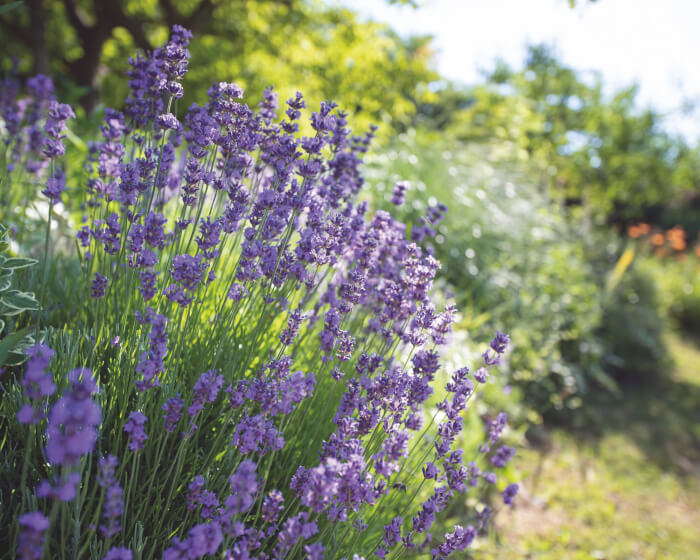
Lavender not only fills the garden with fragrance but also works as a powerful insect repellent. Its aroma deters moths, fleas, flies, and mosquitoes, making it ideal near doors, patios, or seating areas.
You can dry lavender bundles to hang indoors for extra pest control. The flowers also attract bees and butterflies, which helps pollinate your vegetables.
Oil extracted from lavender can be applied to the skin as a natural mosquito repellent. Grow it in full sun and well-drained soil to enjoy years of beauty and protection.
#3 Catnip
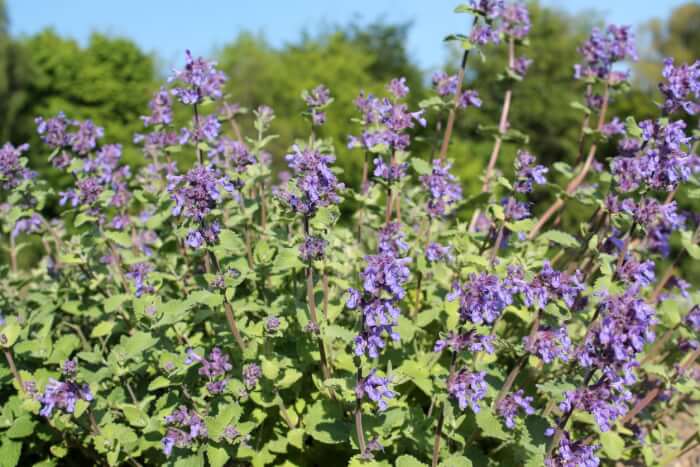
Catnip is loved by cats but hated by many insects. Studies show it repels mosquitoes more effectively than some chemical sprays. It also deters cockroaches, ticks, and flies.
You can crush the leaves to release essential oils and make a homemade bug spray. Plant catnip near entryways or around vegetable beds for added protection. Just be prepared for neighborhood cats to visit and roll happily in your garden.
#4 Alliums
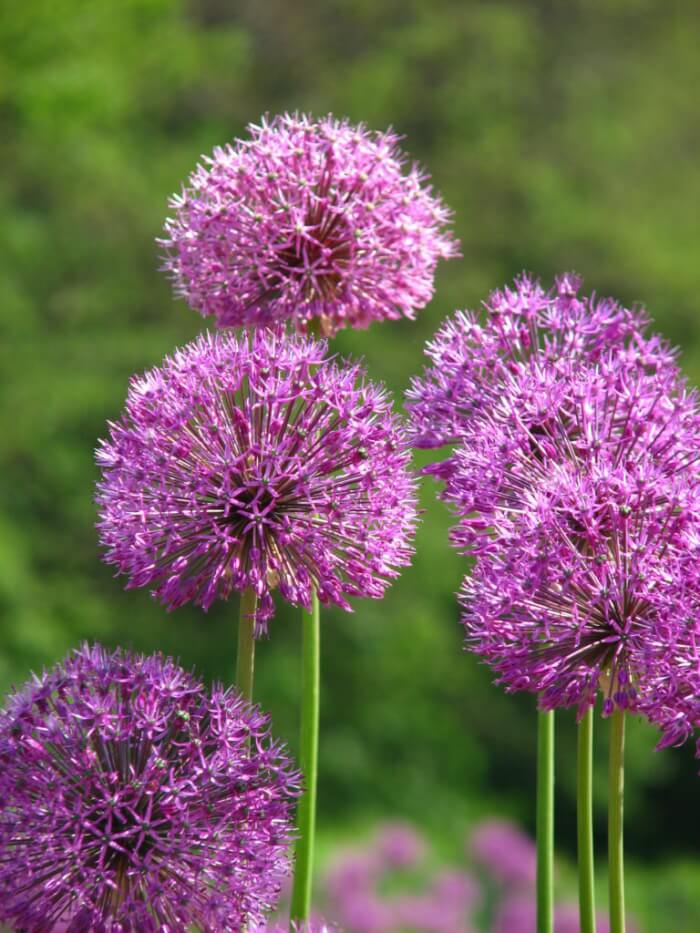
Members of the allium family, such as garlic and ornamental onions, are excellent natural insect deterrents. Their strong smell keeps aphids, slugs, and carrot flies away from vegetable patches.
Gardeners often interplant them with carrots, cabbage, and lettuce for extra defense. Besides being functional, their globe-shaped blooms add charm to beds and borders.
Alliums are hardy and require very little care once planted. They’re a smart choice if you want both beauty and pest protection in the garden.
#5 Nasturtiums
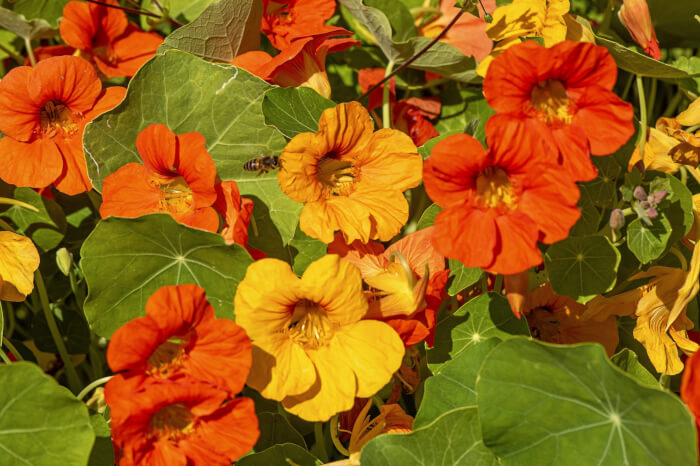
Nasturtiums act as both a trap and a shield in the garden. They repel whiteflies, squash bugs, aphids, and beetles with an airborne chemical released from their leaves. At the same time, they attract bumblebees, which are essential pollinators.
Their bright orange, red, and yellow flowers spill beautifully over containers or borders. You can also eat the peppery leaves and blossoms in salads. Nasturtiums are easy to grow from seed and thrive in poorer soils, making them a practical choice.
#6 Chrysanthemums
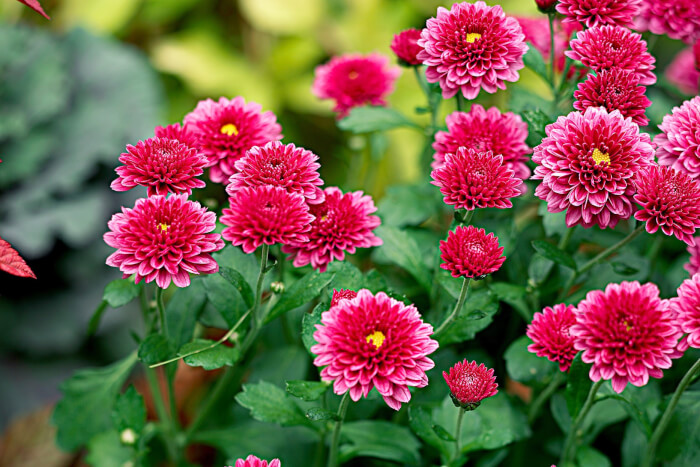
Chrysanthemums contain a natural compound called pyrethrum, which is widely used in insect repellents. These flowers drive away ants, roaches, lice, fleas, ticks, and even root-knot nematodes.
They bloom in many bright shades, making them attractive additions to borders. Although they can be used to make insecticidal sprays, handling them should be done with care.
It’s best to enjoy their beauty in the garden while letting them quietly repel pests. With minimal maintenance, chrysanthemums reward you with late-season color and natural protection.
#7 Floss Flowers
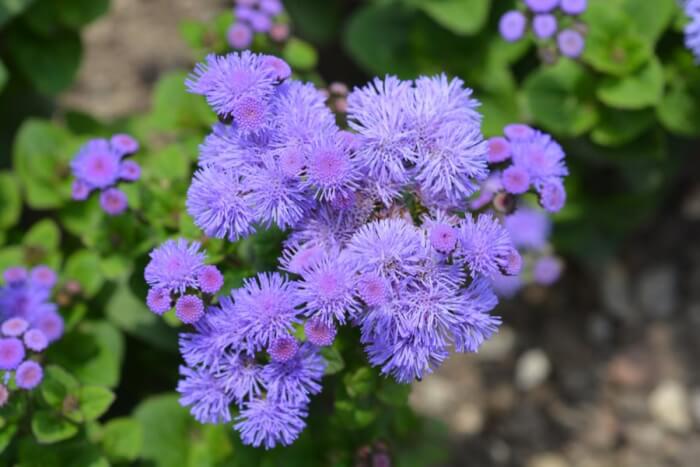
Floss flowers are small but mighty when it comes to keeping mosquitoes away. They contain coumarin, a chemical found in many commercial repellents. The clusters of blue, purple, or pink blooms add soft color to containers and borders.
Plant them in sunny spots where air circulation is good. Their fragrance works best when mass-planted, creating a stronger shield against pests. Alongside their pest control, they make your garden look charming all season long.
#8 Petunias
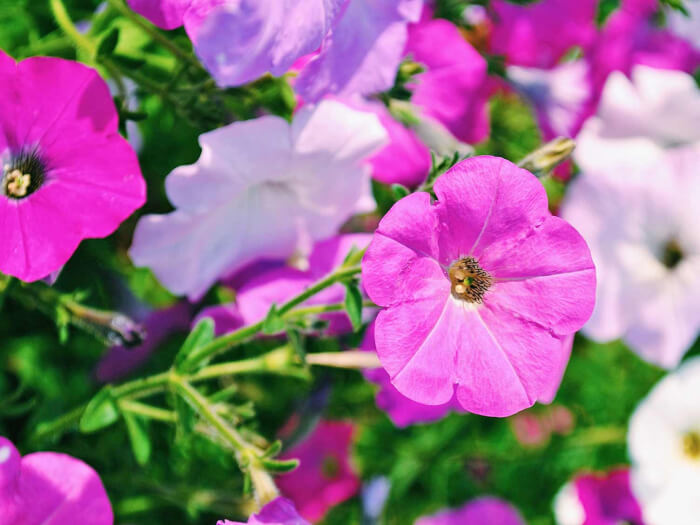
Petunias are often called “nature’s pesticide” because they fend off a wide variety of bugs. They repel tomato hornworms, asparagus beetles, leafhoppers, and squash bugs.
Their bright, cheerful flowers bloom nonstop, adding instant color to window boxes, borders, or hanging baskets. Plant them near vegetables like tomatoes and cucumbers to help protect your crops.
They require little care, thriving in sunny spots with occasional watering. Petunias are a simple way to combine beauty and pest prevention in your garden.
#9 Geraniums
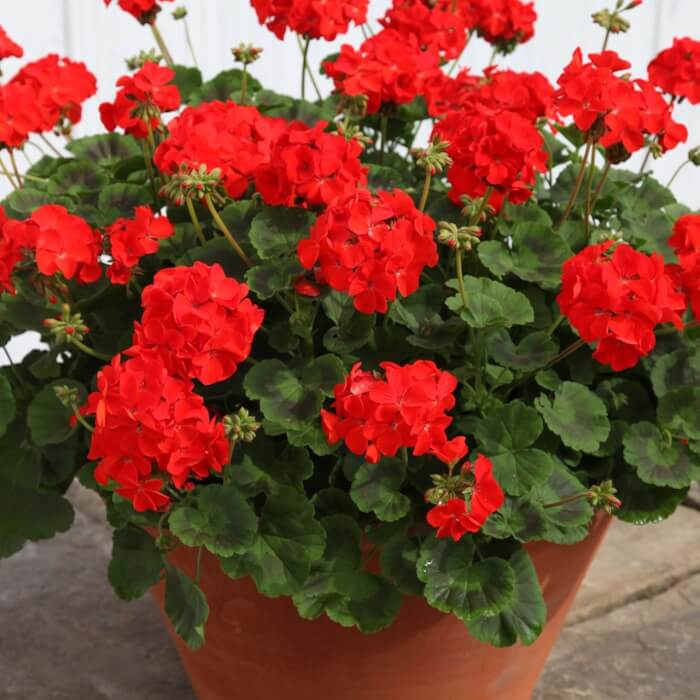
Geraniums not only provide colorful blooms but also serve as insect repellents. They are especially effective against leafhoppers and mosquitoes.
One variety, Pelargonium citrosum, is nicknamed the “Mosquito Plant” for its lemony fragrance. Plant geraniums in pots around outdoor seating areas for maximum effect.
They bloom in shades of pink, red, or white, giving both beauty and utility. Their dual role makes them a must-have for gardens that struggle with bugs.