
The best crops for a bountiful harvest give you maximum food from even the smallest spaces. Potatoes, carrots, peas, and fruit trees are just a few reliable plants that reward you with heavy yields when grown in the right conditions.
By choosing high-yielding crops, you not only enjoy fresh produce but also make the most of your effort, time, and gardening space.
Many of these crops grow well in containers, raised beds, or traditional plots, making them perfect for every gardener. A mix of root vegetables, leafy greens, and fruiting plants ensures variety in your kitchen and nutrients on your plate.
With proper planting and care, you’ll have more than enough to share with family and friends. Here are 16 of the best crops you should grow for a harvest that feels truly abundant.
#1 Potatoes
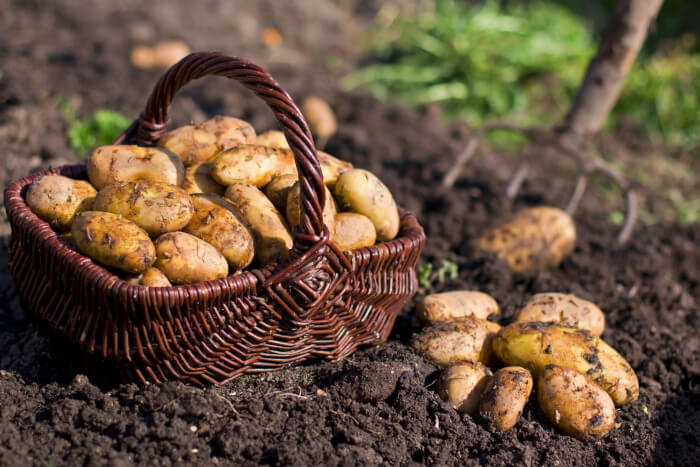
Potatoes are reliable staples that thrive in deep soil and deliver impressive harvests. Even though they require space, the yield per plant makes them worthwhile. You can plant seed potatoes in trenches or large grow bags filled with loose soil.
As shoots appear, mound soil around the stems to protect the tubers. Harvest once the foliage dies back for full-sized potatoes. With the right care, a few plants can supply months of hearty meals.
#2 Carrots
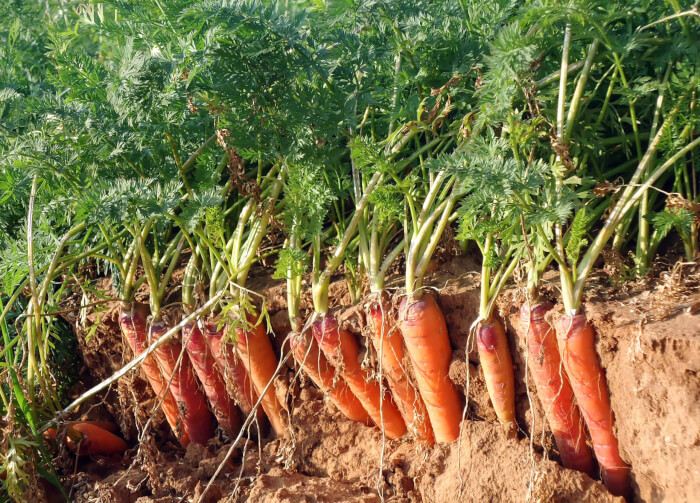
Carrots pack high yields into small spaces and can be grown in containers as well as garden beds. Loose, sandy soil helps roots grow long and straight. Sow seeds thinly and keep the soil moist during germination.
Harvest baby carrots early or allow them to mature fully for larger roots. Freshly pulled carrots are sweeter than store-bought, making them a rewarding crop to grow.
#3 Turnips
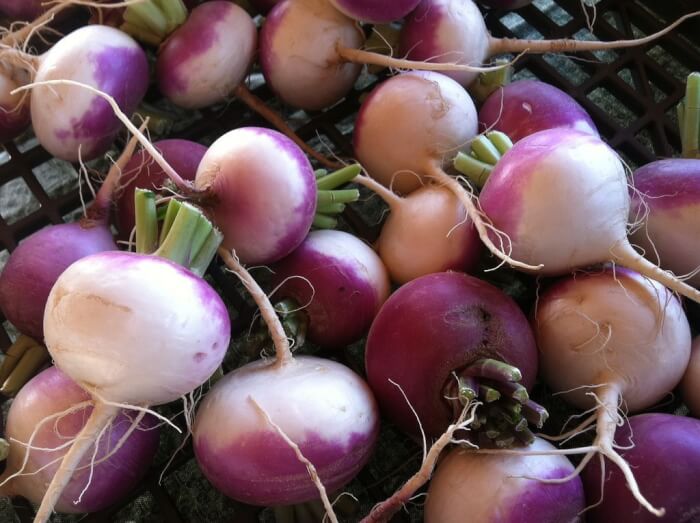
Turnips give you both edible roots and nutritious leafy greens, making them a double-yield crop. They thrive in cool weather and can be sown in early spring or fall. Plant seeds directly into the soil and thin seedlings for proper spacing.
Harvest young turnips for tender roots or let them grow larger for roasting. The greens are delicious sautéed or added to soups. With minimal effort, turnips provide a steady supply of food.
#4 Radishes
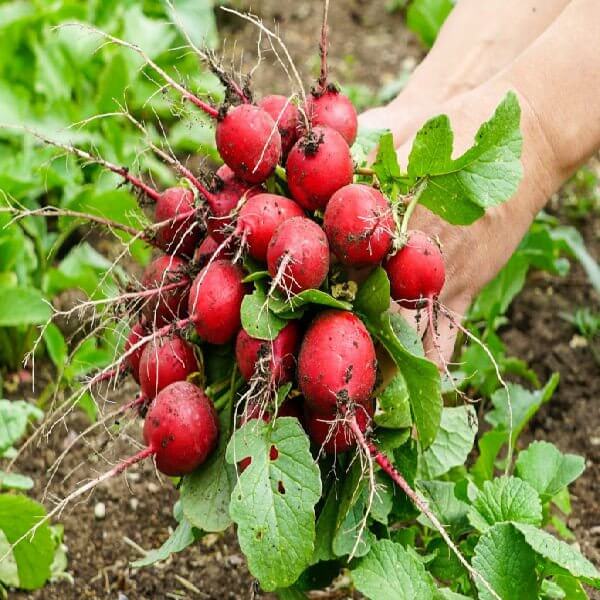
Radishes are one of the fastest crops you can grow, often ready in just 3 to 4 weeks. Their quick growth makes them perfect for succession planting. Sow seeds directly in well-drained soil and keep the rows moist.
Thin seedlings to prevent overcrowding. Harvest them while young for crisp, peppery flavor. Because they mature quickly, you can enjoy several rounds of harvests in one season.
#5 Shallots
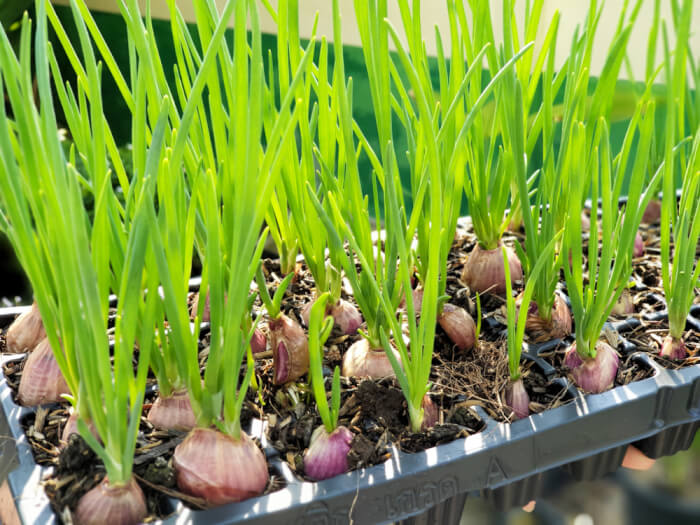
Shallots multiply from a single bulb, giving you more than you planted. They’re easy to grow and require little space. Plant sets in loose soil with good drainage and keep the area weed-free.
Water consistently, but avoid soggy soil to prevent rot. Harvest when the tops turn yellow and fall over. Their mild flavor makes them a kitchen favorite for soups, sauces, and salads.
#6 Peas
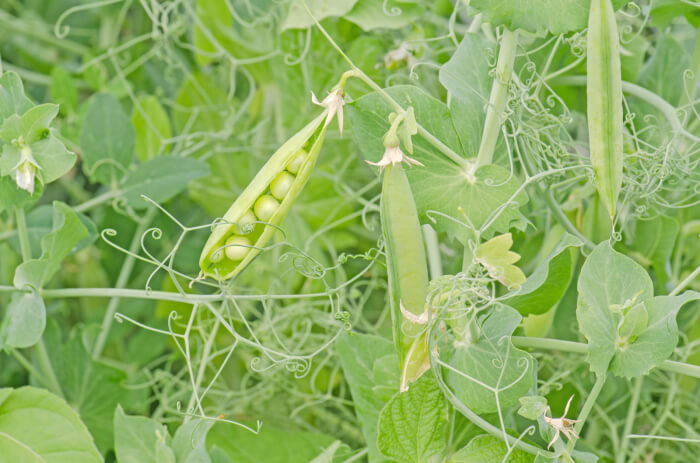
Peas are highly productive and delicious when harvested fresh from the vine. Sow seeds in early spring for the best results. They thrive in cool weather and prefer rich soil. Provide trellises or supports to encourage climbing varieties.
Pick pods frequently to extend the harvest. Whether eaten raw, steamed, or tossed in stir-fries, peas bring both nutrition and charm to your garden.
#7 Tomatoes
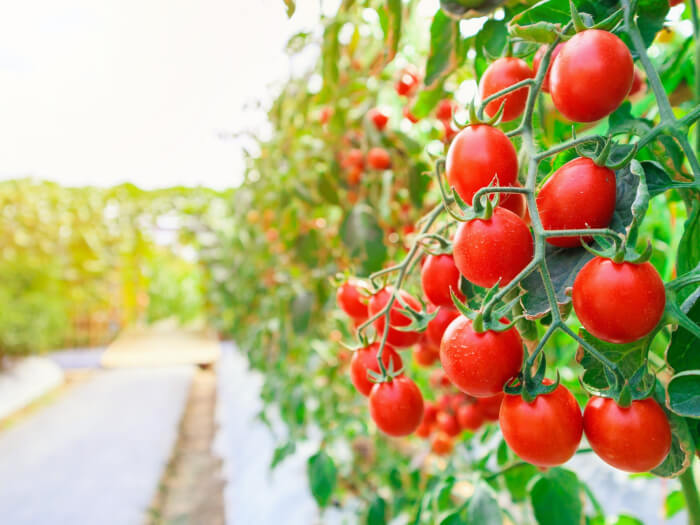
Tomatoes are one of the most rewarding garden crops, producing heavily through the summer. Choose varieties suited to your climate and space, such as determinate types for containers or indeterminate vines for trellises.
Plant in sunny spots with fertile soil and water consistently. Pinch off suckers to focus energy on fruiting. Harvest ripe, juicy tomatoes for sauces, salads, and sandwiches. A few plants can keep you stocked for months.
#8 Zucchini
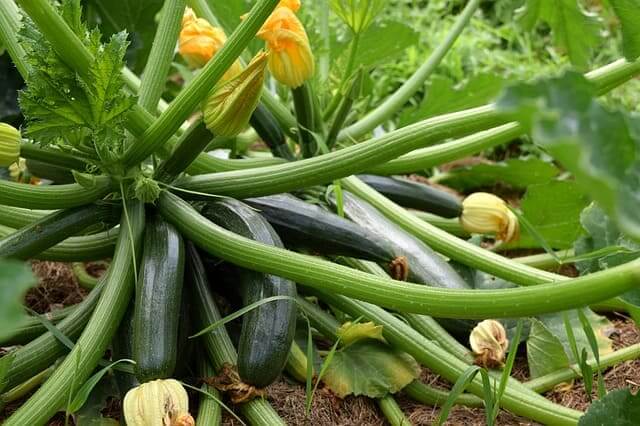
Zucchini is famous for its abundant harvests, often producing more than you can use. Plant seedlings after the last frost in rich, well-drained soil. Provide plenty of sun and water regularly to encourage steady growth.
Pick zucchini when young and tender for the best flavor. Harvesting frequently also keeps the plant producing. You’ll quickly discover how versatile zucchini is in cooking, baking, and grilling.
#9 Chickweed
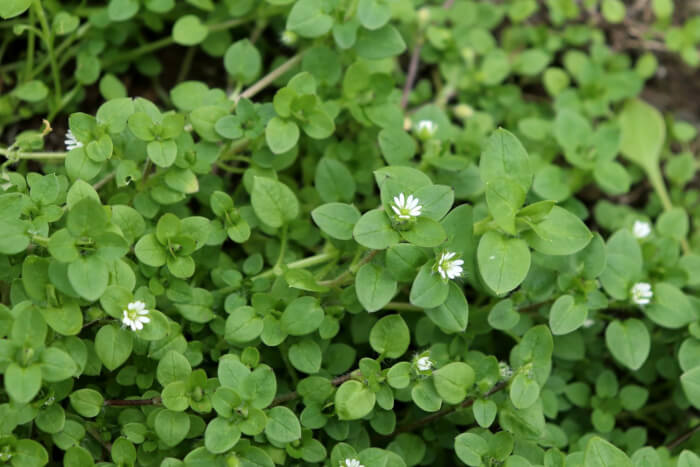
Chickweed is a cool-weather crop that grows quickly and provides a continuous supply of greens. Sow it in moist soil and watch it spread rapidly. Harvest young shoots to add a mild, corn-like flavor to salads and sandwiches.
It also makes a good spinach substitute when cooked. Chickweed thrives with minimal care, making it an easy addition to your garden.
#10 Raspberries
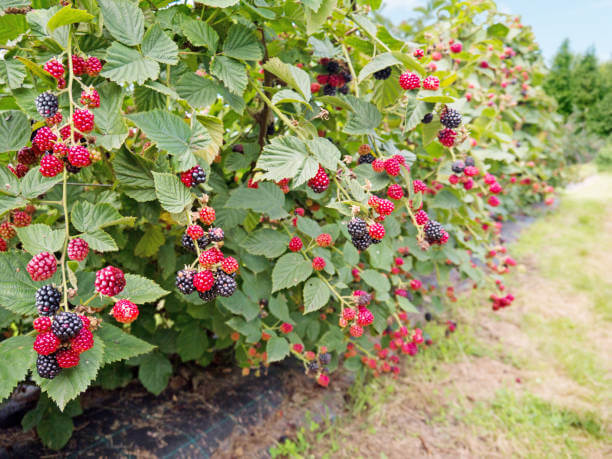
Raspberries produce several pounds of fruit per cane each season when properly pruned. Plant them in well-drained soil and give them full sun. Use trellises or supports to keep canes upright and improve airflow.
Water deeply during dry spells to encourage healthy berries. Harvest when the fruit comes off easily in your hand. With the right care, raspberries reward you with sweet, plentiful harvests year after year.
#11 Blackberry Plant
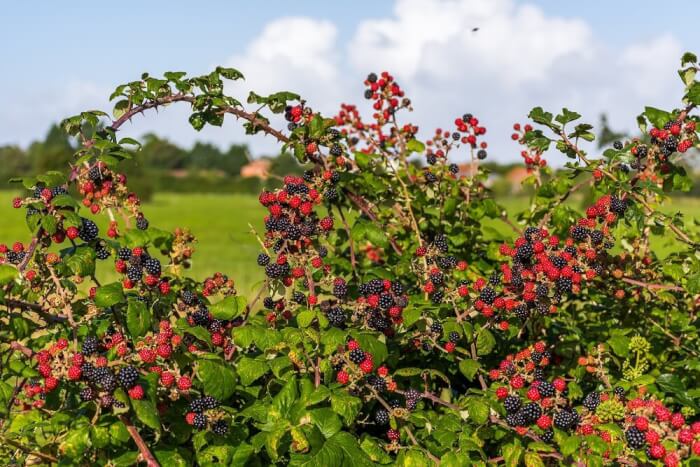
Blackberries are vigorous producers, often giving 10 to 20 pounds of fruit from a single plant. They grow best in sunny spots with rich soil. Provide trellises to manage their sprawling canes.
Water regularly to keep the soil moist, especially during fruiting. Harvest plump berries when they turn deep black. Their rich flavor makes them perfect for fresh eating, jams, and desserts.
#12 Cherry
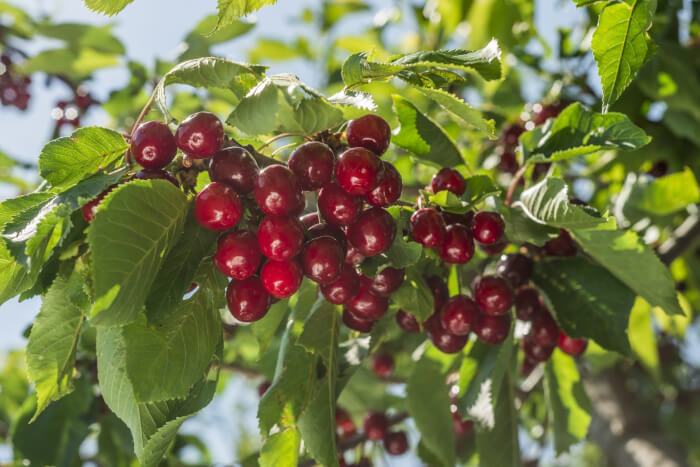
Cherry trees can yield over 100 pounds of fruit when mature. They need full sun and well-drained soil for the best harvests. Plant them in spring or fall and prune annually to maintain shape and airflow.
Water young trees regularly to help them establish. Harvest cherries when fully colored and sweet. Their juicy flavor makes them a delightful summer treat.
#13 Apricot
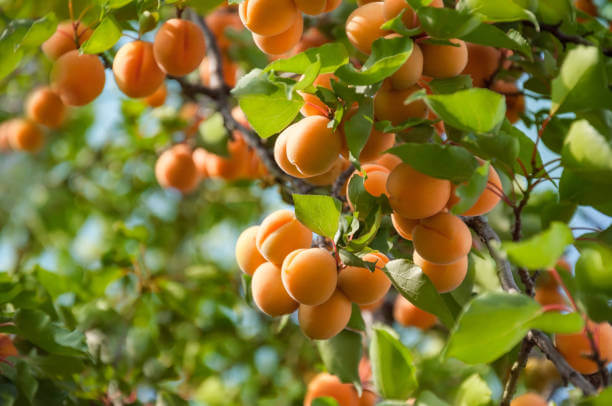
Apricot trees produce up to 288 pounds of fruit per tree in good conditions. They thrive in sunny, sheltered spots with well-drained soil. Plant in early spring and prune carefully to encourage fruiting wood.
Water deeply during dry spells to protect developing fruit. Harvest when apricots are golden and slightly soft to the touch. Fresh apricots are delicious eaten raw or preserved as jams and dried fruit.
#14 Pear
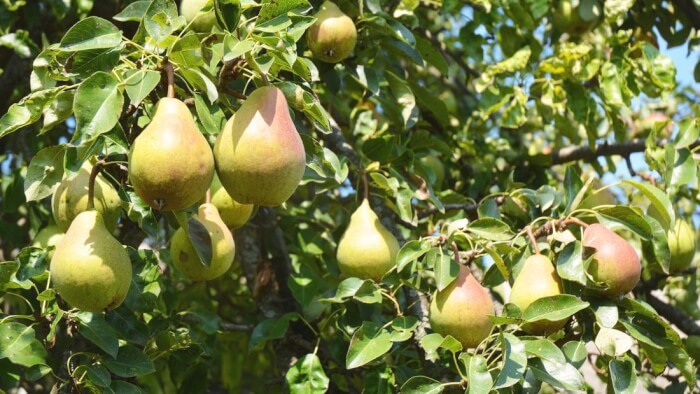
Pear trees are dependable producers, often giving more than 200 pounds of fruit each year. They prefer rich, slightly acidic soil and full sun. Plant bare-root trees in spring for the best start.
Keep them watered during dry weather and mulch to protect the roots. Harvest when the fruit is firm but begins to change color. Pears store well, letting you enjoy them long after harvest.
#15 Plum
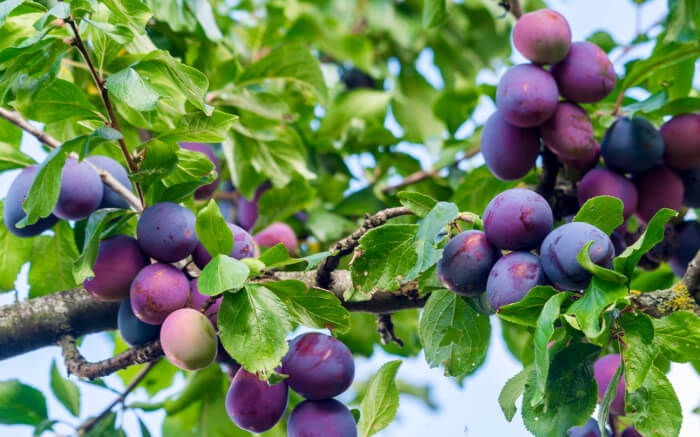
Plum trees reward gardeners with up to 300 pounds of fruit per tree. They grow well in fertile, well-drained soil with full sun exposure. Prune annually to keep the tree healthy and productive.
Water consistently during the growing season to help fruit develop. Harvest when plums are plump and slightly soft. Their sweet-tart flavor is perfect for fresh eating or preserves.
#16 Apple
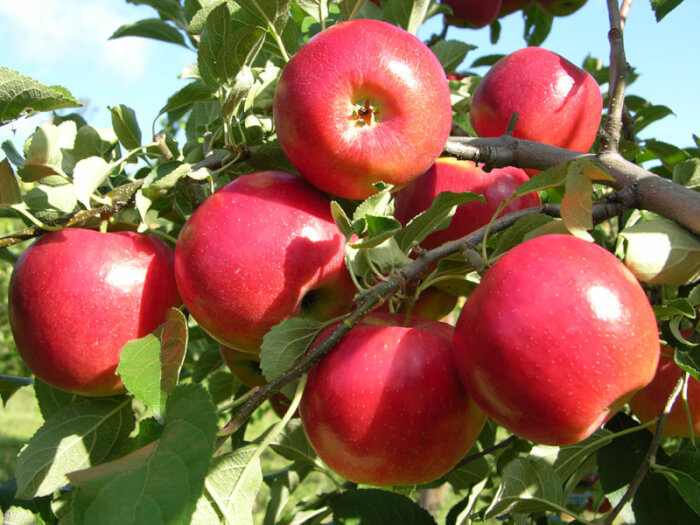
Apple trees are among the most productive fruit trees, yielding hundreds of pounds of fruit when mature. They adapt well to many climates and come in both dwarf and standard sizes.
Plant in full sun with well-drained soil and prune annually to maintain vigor. Thin young fruit to improve size and quality. Harvest when apples are firm and fully colored.
Homegrown apples are crisp, flavorful, and ideal for both fresh eating and baking.