
The best bromeliad types to grow indoors are colorful, hardy, and surprisingly easy to care for. With more than 3,000 varieties in the bromeliad family, you’ll find options that bring sculptural leaves, striking bracts, or even edible fruit into your home.
These plants thrive in low-maintenance conditions, making them ideal for beginners or anyone who tends to forget about watering.
Bromeliads adapt beautifully to different environments, needing only bright indirect light, occasional watering, and good airflow. Some even reward you with fruit or unusual flowers that last for weeks.
If you’re looking to add bold textures and tropical charm to your living space, here are seven bromeliad types you can grow with confidence.
1. Neoregelia

Neoregelia stands out with its colorful rosettes and striking foliage patterns. Unlike many bromeliads that bloom once, this variety dazzles with leaves that blush red or pink at the center when it’s ready to flower.
It tolerates cooler temperatures better than others, so you can place it near windows without worry. Keep the central cup filled with water and mist the leaves regularly.
Use a shallow pot with a loose, bark-based mix for the best growth. This variety brings both texture and color to your indoor collection.
2. Vriesea
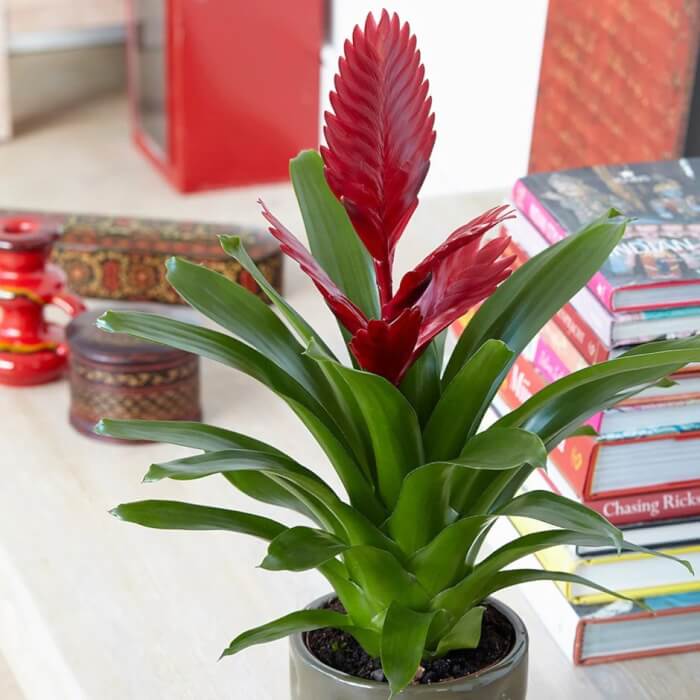
Vriesea is prized for its dramatic flower bracts that look almost like painted flames. The blooms can last for several months, adding a bold accent to any room.
These bromeliads prefer bright but indirect light and thrive in temperatures above 60°F (16°C). Keep the central cup topped with fresh water, changing it weekly to prevent stagnation.
Use a well-draining medium to avoid root rot. With their sculptural look, Vrieseas can easily become the centerpiece of your indoor display.
3. Billbergia
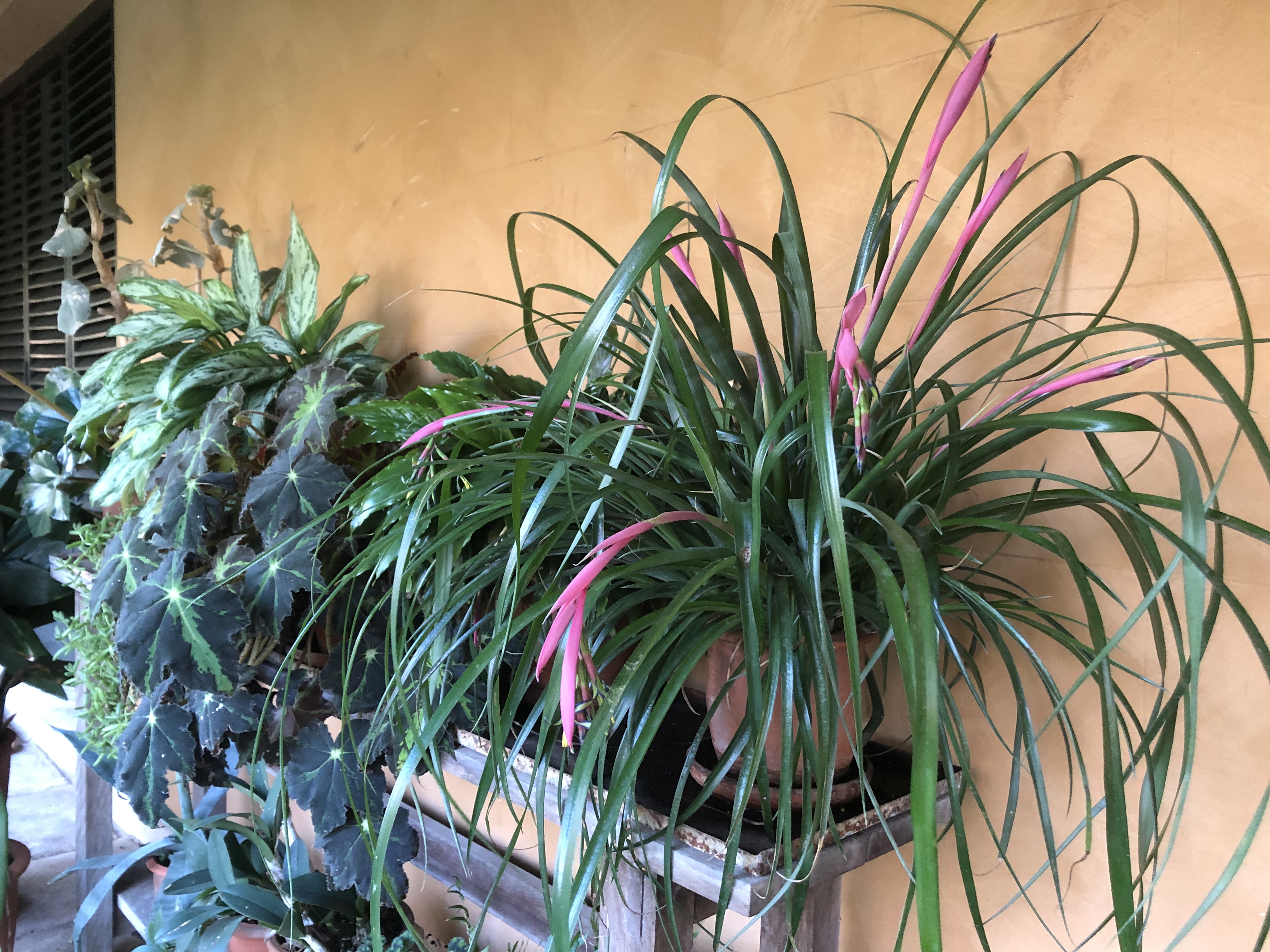
Billbergia species are tall, elegant bromeliads with cascading leaves and tubular flowers. They do especially well in hanging pots where their long form can be appreciated.
Popular choices like B. nutans and B. pyramidalis reward you with pink bracts and violet blooms. Plant them in a mix of bark chips, peat moss, and perlite for proper drainage.
Give them bright indirect light and water by filling the rosette. If you want a bromeliad that feels refined yet easy to grow, Billbergia is a great pick.
4. Pineapple

The pineapple is one of the most famous bromeliads because it gives you both beauty and fruit. Indoors, it forms a dramatic rosette of spiky leaves and a central stem that produces the edible fruit.
Place it in the sunniest window available to encourage fruiting. Use a sandy, well-drained soil mix and water only when the top inch of soil dries out.
While it may take two to three years for fruit to appear, the plant’s tropical look alone makes it worth growing.
5. Tillandsia
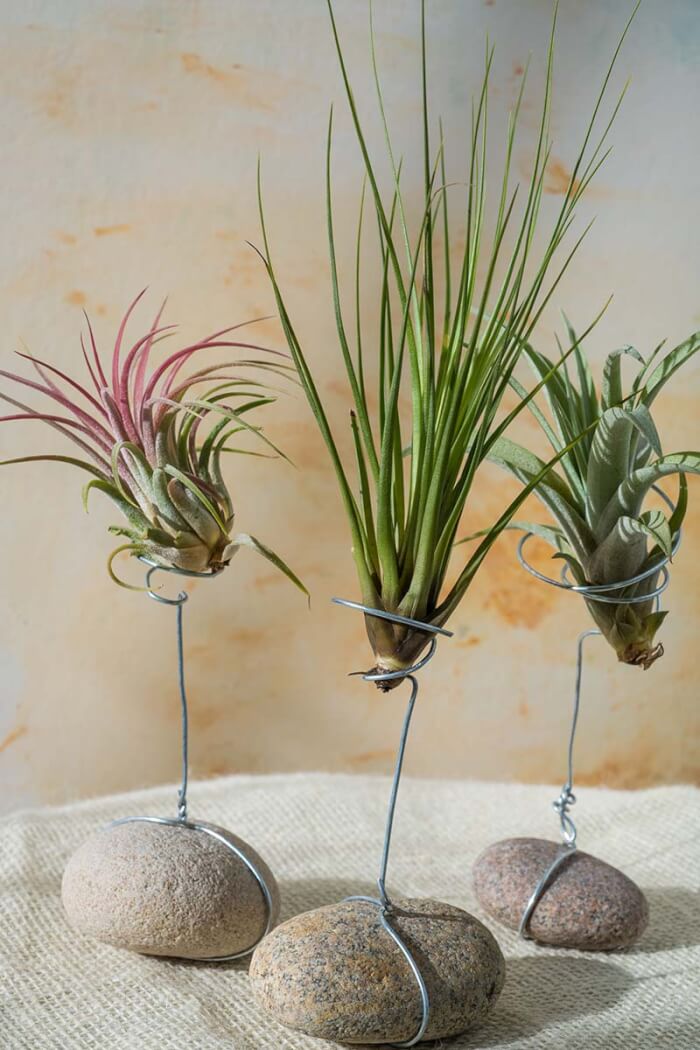
Tillandsia, often called the air plant, doesn’t need soil at all. These unique bromeliads absorb water and nutrients directly through their leaves. You can tuck them into glass terrariums, mount them on driftwood, or display them in hanging globes.
Mist them two to three times a week and give them bright filtered light. A soak in room-temperature water every 10–14 days keeps them hydrated. Their tubular flowers in shades of violet, pink, or yellow add a surprising burst of color.
6. Dyckia

Dyckia is a tough, spiky bromeliad that looks much like a succulent. Its rosettes of serrated leaves come in colors ranging from silver-gray to deep burgundy. This variety thrives in full sun and can withstand periods of drought.
Plant it in a cactus or succulent mix for best results. Water sparingly, letting the soil dry completely between waterings. Dyckias are perfect if you want a bromeliad that combines resilience with bold, architectural beauty.
7. Earth Stars
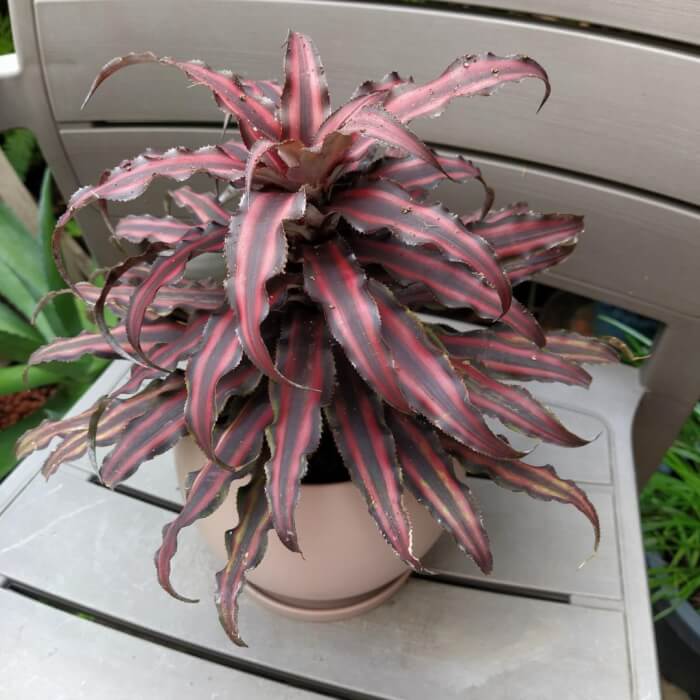
Earth Stars, also known as Cryptanthus, spread their star-shaped leaves close to the ground. They come in a dazzling range of colors and stripes, including pink, bronze, and green.
These compact bromeliads prefer bright, indirect light and grow happily in temperatures between 60–85°F. Keep the soil lightly moist but never soggy.
Because they’re small, they work beautifully on windowsills, tabletops, or terrariums. Earth Stars are an easy way to add a playful splash of tropical color indoors.