
Tall succulent varieties can transform the look of your home or garden in an instant. While many people picture succulents as small desk plants or windowsill companions, some grow to impressive heights with bold shapes and striking foliage.
These plants not only bring sculptural beauty but also thrive with minimal care. Their resilience makes them perfect for busy plant lovers or anyone wanting a bold focal point indoors or outdoors.
If you’re ready to upgrade your plant collection, here are 10 tall succulent varieties that deliver both elegance and low-maintenance charm.
#1 Austrocylindropuntia Subulata (Eve’s needle)
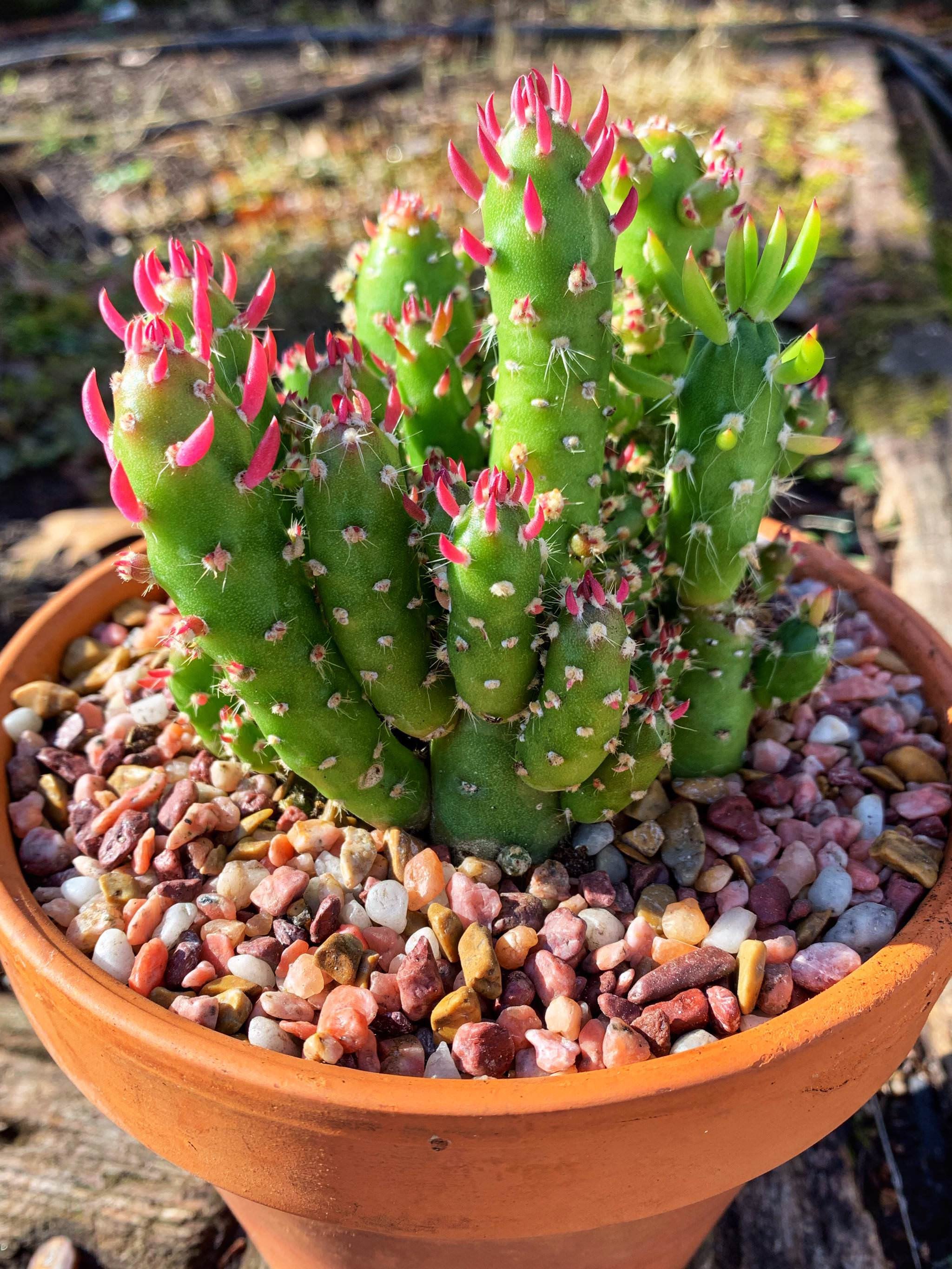
Eve’s Needle is a columnar succulent that can reach up to 13 feet when grown in the right conditions. Its upright, spiny stems are decorated with narrow leaves that add texture and character to the plant.
This succulent thrives in dry conditions and needs well-draining soil to prevent root rot. Water sparingly, allowing the soil to dry out completely between waterings.
In outdoor gardens, it creates a striking architectural presence, while in containers it can be kept smaller. Its dramatic height makes it a perfect statement plant for sunny patios.
#2 Cyphostemma Juttae
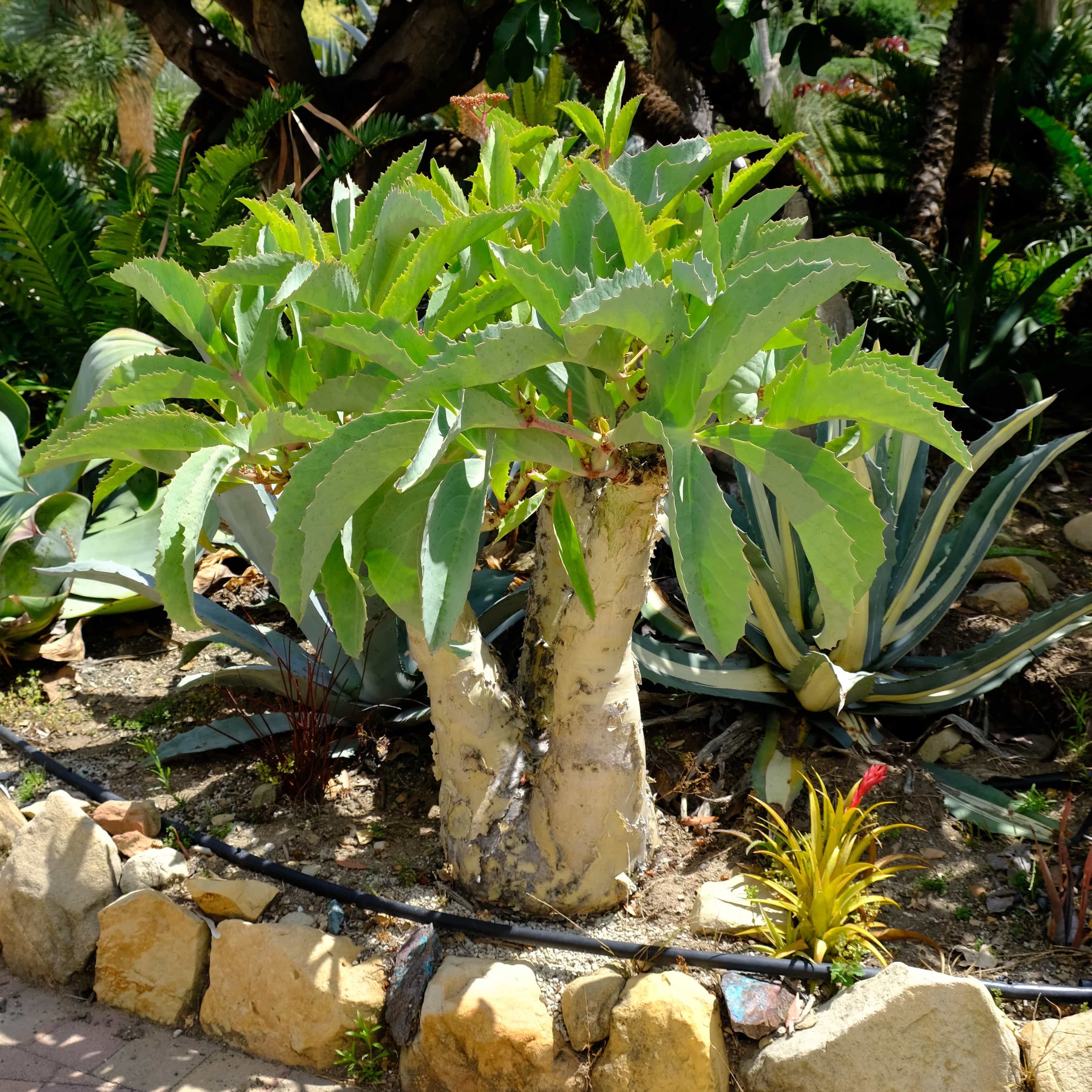
Native to South Africa, Cyphostemma Juttae is both hardy and visually striking. It develops a thick, swollen trunk that stores water, topped with spiraled leaves that give it a tropical feel.
The plant can grow up to 6 feet tall and produces clusters of greenish-yellow flowers in summer. It prefers hot, dry conditions and thrives in sandy or rocky soil.
Water moderately during the growing season, but reduce watering in winter. Its sculptural form makes it an ideal plant for desert-themed gardens or minimalist interiors.
#3 Kalanchoe Beharensis (Felt Bush, Elephant’s Ears)
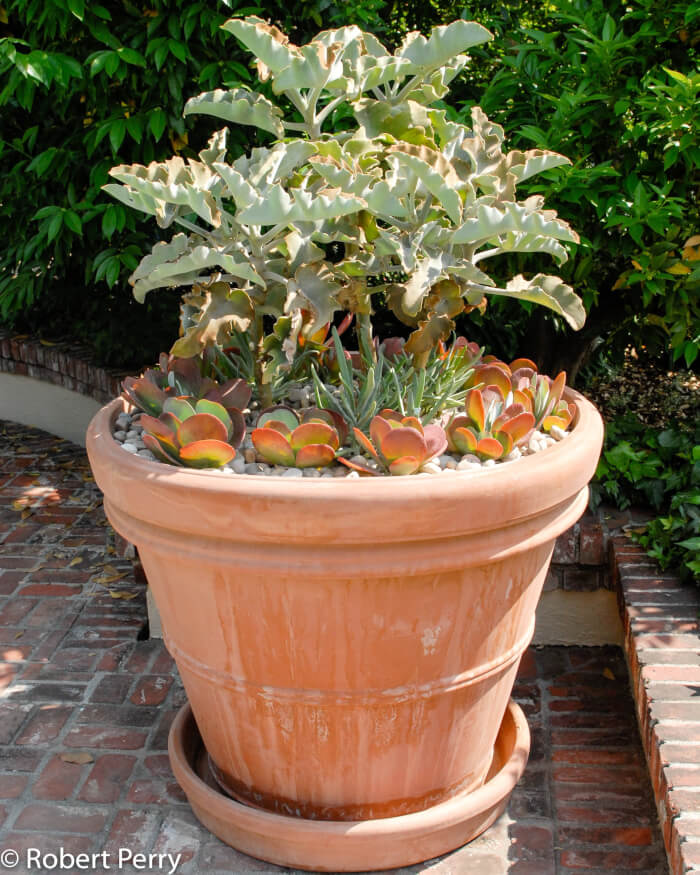
Kalanchoe Beharensis is one of the most dramatic tall succulents, with velvety, triangular leaves that resemble elephant ears. In the right environment, it can grow as tall as 16 feet.
The foliage is covered with fine hairs that give it a silvery appearance and help conserve moisture. It thrives in full to partial sunlight and needs only occasional watering.
In addition to its unusual leaves, the plant can produce clusters of small white flowers. Its bold look makes it a centerpiece in modern gardens or spacious indoor areas.
#4 Euphorbia Milii (Crown of Thorns)
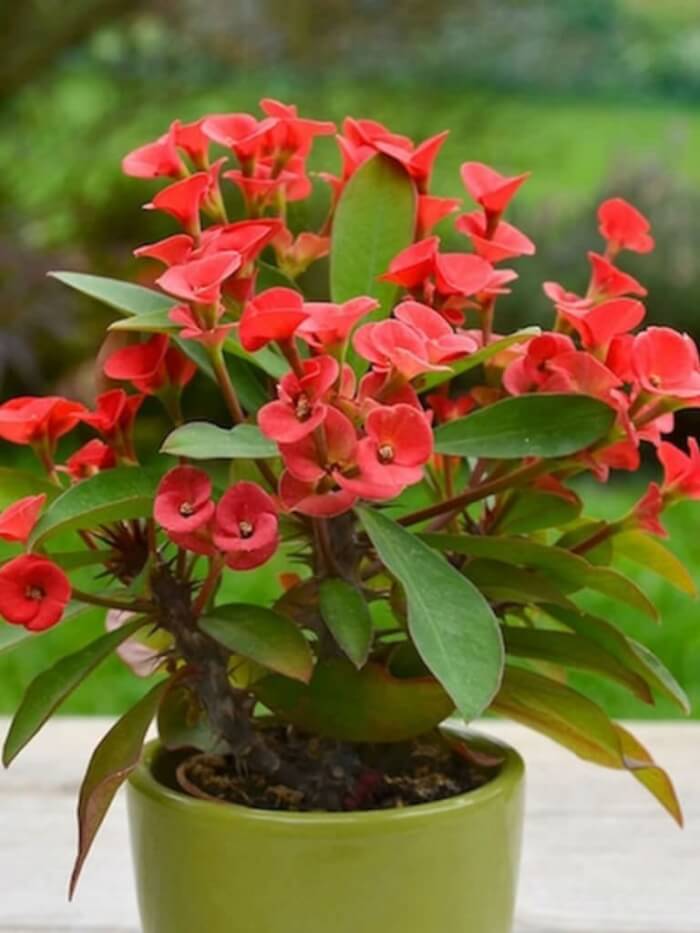
Crown of Thorns is a resilient succulent that can grow up to 6 feet tall. Its thorny stems are lined with fleshy green leaves, while small red or pink flowers add pops of color throughout the year.
It thrives in partial sunlight and requires minimal watering, making it perfect for busy gardeners. The spines may look intimidating, but they also add an exotic touch to its structure.
Place it near a bright window or in a warm outdoor spot to enjoy continuous blooms. This plant is especially popular for its low maintenance and year-round beauty.
#5 Aeonium Arboreum
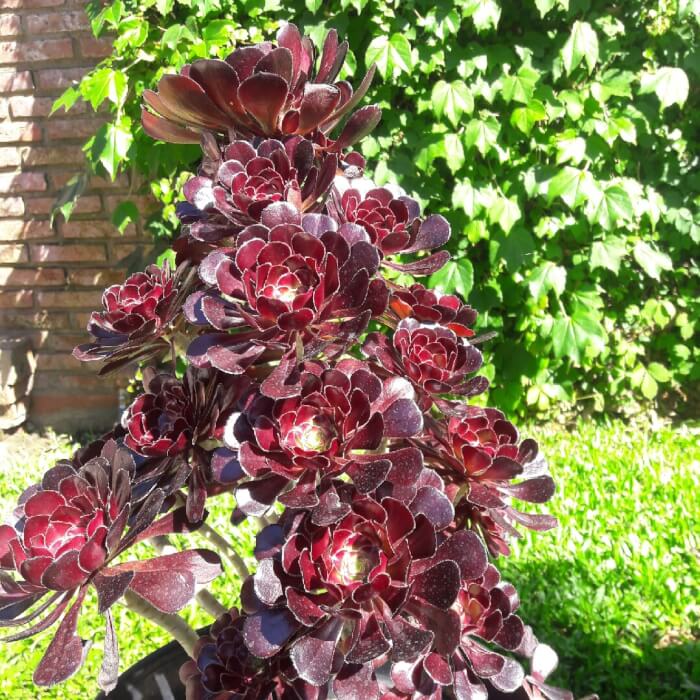
Aeonium Arboreum is a shrubby succulent that grows to about 3 feet tall. It forms rosettes of glossy green leaves that can develop red edges in bright sunlight.
In summer, it produces star-shaped pink or white flowers in clusters, adding even more charm. This succulent prefers full sun outdoors but can adapt to bright indoor light near windows.
Water when the soil is dry, and avoid letting water sit at the roots. Its compact height and sculptural rosettes make it perfect for container arrangements or balcony gardens.
#6 Pachypodium Lamerei (Madagascar Palm)
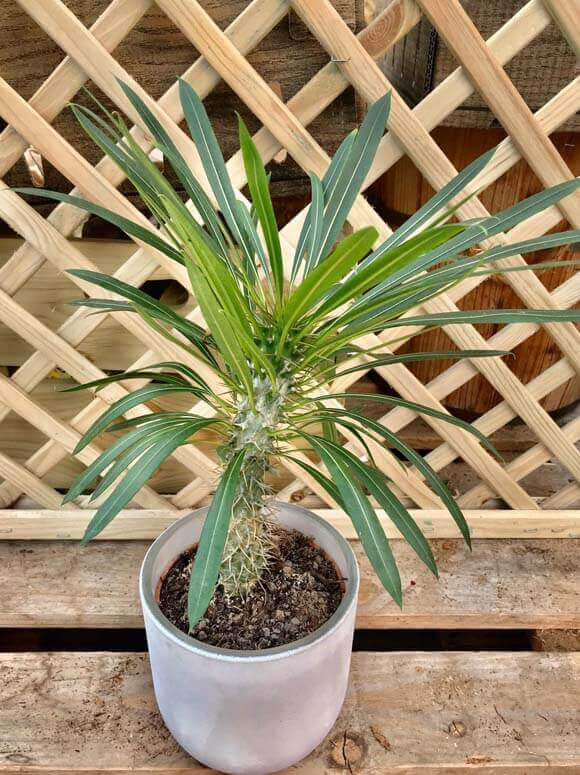
Often mistaken for a palm tree, the Madagascar Palm is actually a succulent. It can reach up to 20 feet when grown outdoors, though container plants usually stay smaller.
Its thick trunk is covered with spines, topped with a crown of long, narrow leaves. It thrives in bright sunlight and requires occasional watering during its growing season.
This plant not only enhances indoor air quality but also adds a tropical flair to living spaces. With its unusual appearance, it’s a conversation starter and a centerpiece plant.
#7 Monadenium Magnificum
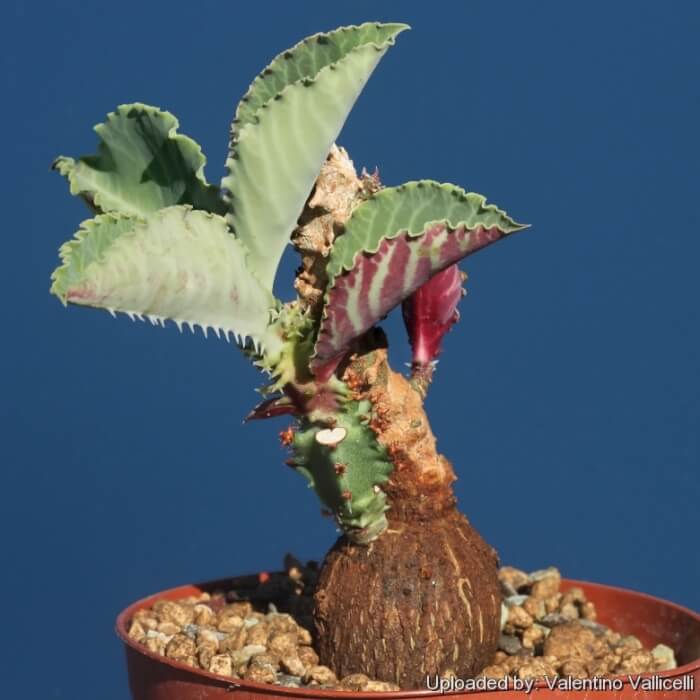
Monadenium Magnificum lives up to its name with its tall, elegant growth and colorful foliage. Mature plants can grow to about 7 feet, making them one of the taller succulent options.
Its leaves range from green to yellow with purple-spotted edges that add interest year-round. Like many succulents, it prefers full sun and well-draining soil.
Water moderately and allow the soil to dry between waterings to prevent root issues. Its upright structure and vibrant foliage make it an eye-catching addition to succulent collections.
#8 Adenium Obesum (Desert Rose)
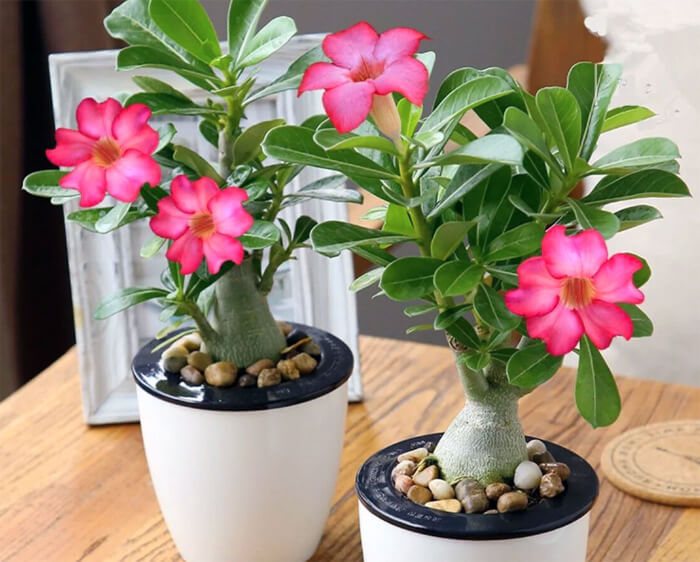
Desert Rose is prized for both its form and its flowers. This succulent can grow up to 4 feet tall and develops a thick, swollen base that stores water.
The plant produces trumpet-shaped flowers in shades of pink, red, or white that bloom throughout the warm months. It thrives in full sun and needs sandy, well-drained soil.
Allow the soil to dry out between waterings, especially in cooler months. With its dramatic flowers and sculptural trunk, it brings elegance and color to patios, balconies, or bright indoor spaces.
#9 Crassula Ovata (Jade Plant)
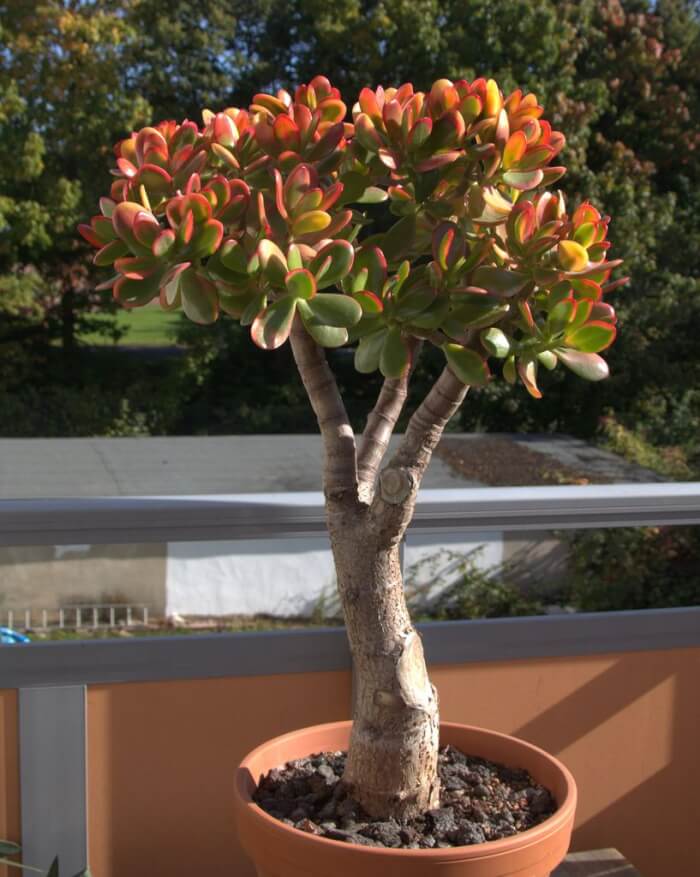
The Jade Plant is one of the most popular succulents, and it can grow up to 15 feet tall over time. Its thick, branching stems are covered with glossy green leaves that sometimes develop red tips in bright sunlight.
This slow-growing succulent is ideal for containers and adapts well to indoor conditions. Place it in a sunny spot and water only when the soil is dry.
With age, Jade Plants develop a tree-like form that looks elegant and timeless. They are also considered symbols of good luck and prosperity.
#10 Agave Americana (Century plant)
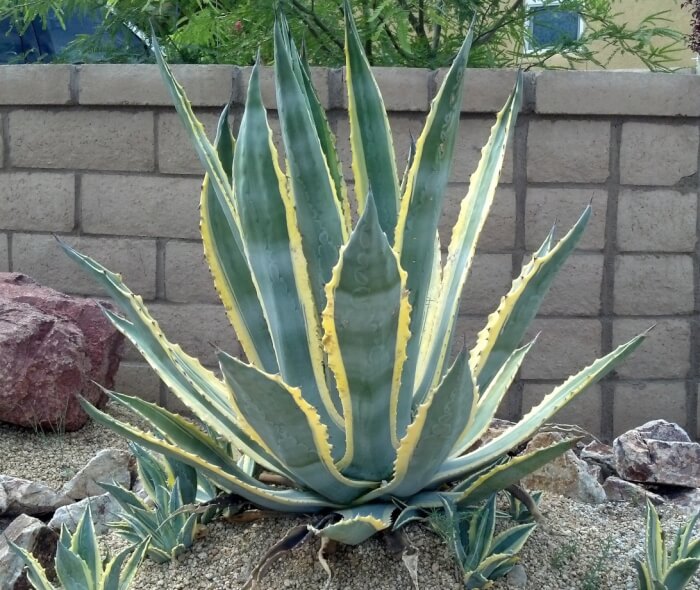
Agave Americana, also called the Century Plant, is a bold succulent that grows up to 5 feet tall with a spread much wider than its height. Its long, pointed leaves have sharp edges and make a dramatic statement in gardens or large containers.
This succulent loves full sun and thrives in sandy, well-drained soil. Water sparingly, as too much moisture can lead to rot.
It takes many years to flower, but when it does, it sends up a massive flower stalk. After flowering, the plant dies but leaves behind offshoots to continue the cycle.