
Edible mushrooms are one of the most rewarding crops you can grow at home because they are packed with flavor, nutrients, and culinary versatility.
Growing mushrooms indoors or outdoors gives you fresh harvests without the worry of wild, toxic lookalikes. They are virtually fat-free, low in calories, and rich in vitamins, minerals, and antioxidants, making them a powerhouse for healthy meals.
With simple methods like grow kits, logs, or compost beds, you can enjoy a constant supply right in your own kitchen or garden. Many varieties adapt well to small spaces, so even beginners can have success.
Here are 12 of the best edible mushrooms you can grow easily at home to elevate your cooking and add a unique touch to your gardening journey.
#1 Brown Caps
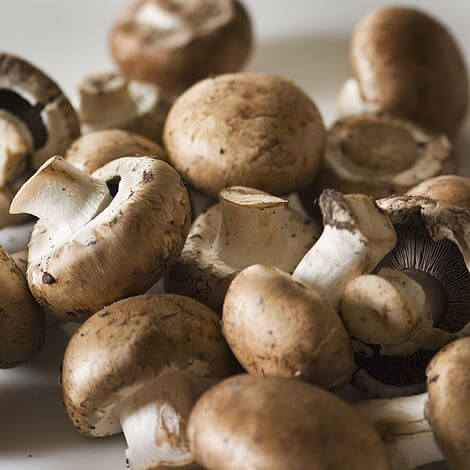
Brown Caps are a classic mushroom with a nutty flavor and firm bite that makes them a favorite for soups, sautés, and casseroles. They grow easily in compost or ready-made kits, which makes them perfect for beginners.
To grow them, fill a container with rich compost, add the spawn, and keep it moist. Within a few weeks, you’ll see clusters pushing through the soil surface.
Harvest them young for tenderness, or let them mature for a deeper, earthy flavor. This simple variety proves how effortless mushroom growing can be.
#2 Oyster Mushrooms
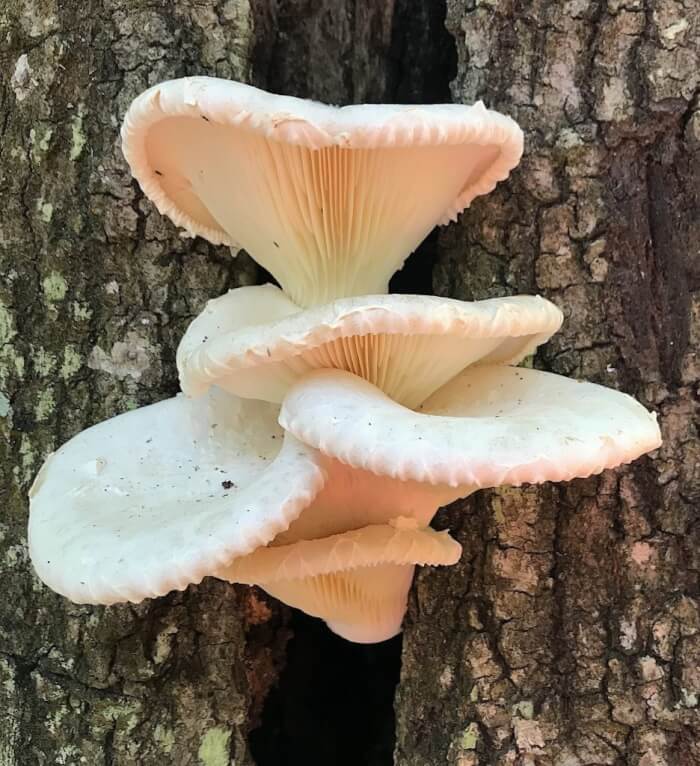
Oyster Mushrooms stand out with their delicate texture and wide range of colors, from cream to vibrant pink and yellow. They grow exceptionally well on pasteurized straw, cardboard, or even coffee grounds.
You can also cultivate them outdoors on softwood logs such as poplar or willow. Keep the environment humid and provide some airflow, and they will fruit quickly in flushes.
Harvest when the caps are firm and slightly curled for the best taste. Their mild, savory flavor works beautifully in stir-fries and noodle dishes.
#3 Enoki
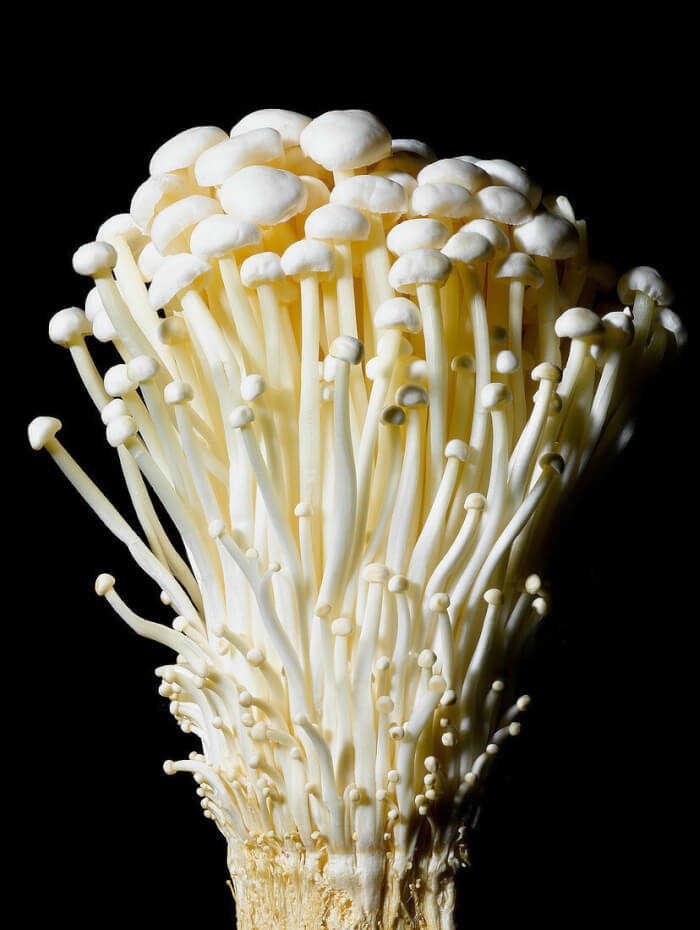
Enoki mushrooms are easy to recognize with their long, slender stems topped by tiny caps. They thrive in cooler temperatures, which means you can grow them indoors in a shaded corner.
To cultivate them, use a substrate of sawdust or grain, keep the humidity high, and cover them to maintain darkness for that signature pale look.
Harvest in clusters when stems are firm but tender. Their crisp texture makes them ideal for salads, soups, or noodle bowls. With a quick turnaround, they are among the simplest mushrooms to try at home.
#4 Wine Caps
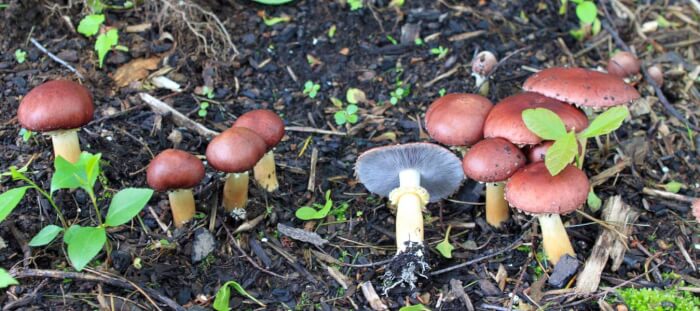
Wine Caps, also called garden giants, bring bold flavor and large size, making them a fun addition to your garden. They grow well outdoors when you spread spawn over mulch beds, wood chips, or straw around shrubs and trees.
Plant them in spring, and by late summer, you could enjoy your first harvest. Keep the bed damp, and the mushrooms will thrive without much fuss. Their deep, earthy taste pairs wonderfully with roasted vegetables or risottos.
They also help improve garden soil as they break down organic matter.
#5 Shiitake
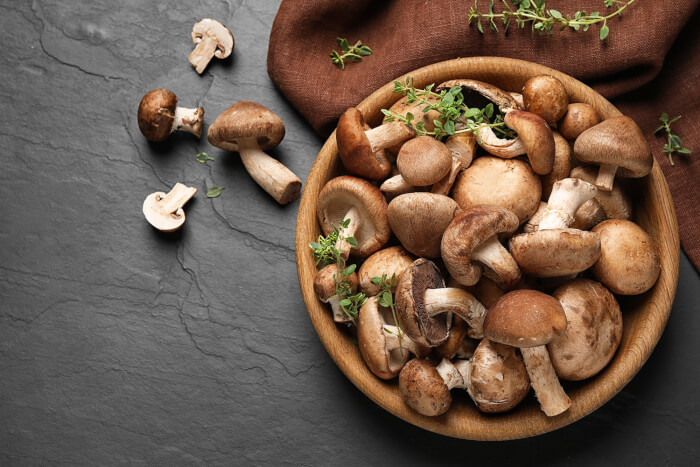
Shiitake mushrooms are loved for their meaty flavor and versatility in cooking. They can be grown indoors on sawdust blocks or outside on logs of oak or maple.
To grow them outdoors, drill holes in logs, insert spawn plugs, and keep the logs moist in a shaded location. In six to twelve months, you’ll see your first flush of mushrooms. Indoors, grow kits make the process faster and simpler.
Harvest when caps are nearly flat for the richest taste in stir-fries, soups, and sauces.
#6 Chanterelles
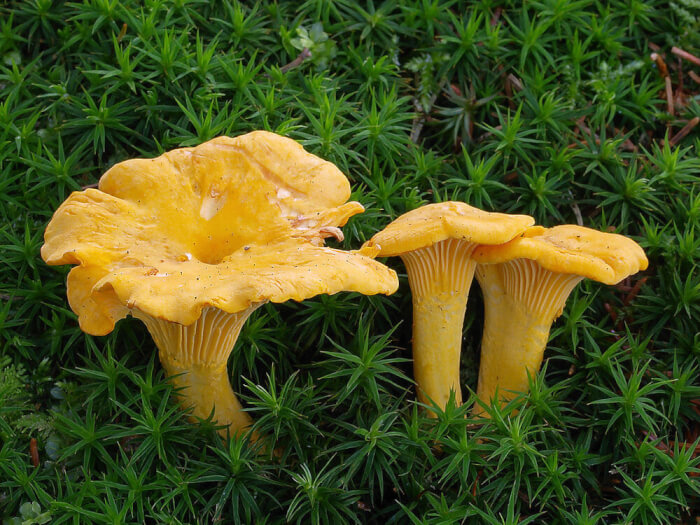
Chanterelles are prized mushrooms with a trumpet shape, golden-orange color, and a fruity aroma. Unlike easier varieties, they are more challenging to cultivate because they form symbiotic relationships with trees.
If you want to try, plant them near oaks, pines, or birch trees in damp, mossy soil. They take time but reward you with mushrooms that chefs value highly for their complex, peppery flavor.
Harvest carefully to avoid damaging the mycelium so it can keep producing. Their velvety consistency elevates sauces and creamy pasta dishes.
#7 Morels
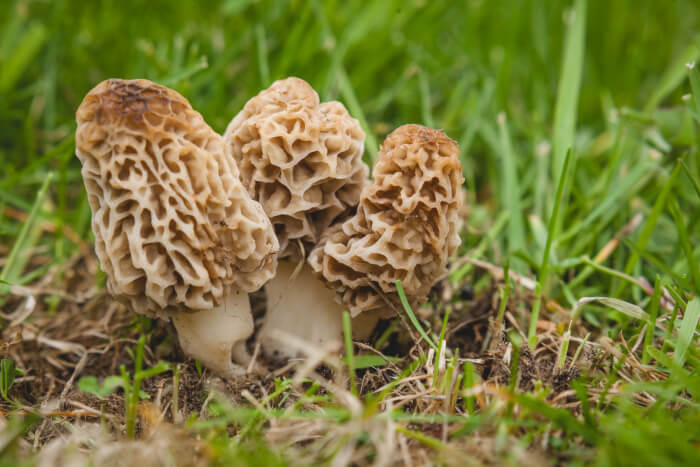
Morels are easily recognized by their honeycomb caps and are treasured for their nutty, earthy taste. They can be difficult to cultivate, but are possible with patience.
Prepare a shady bed enriched with wood ash, compost, and organic material to encourage fruiting. Water regularly during spring to mimic natural rainfall.
Harvest when the caps are firm and hollow, usually appearing after warm rains. Cooking them enhances their flavor, making them perfect for gourmet recipes.
#8 Lion’s Mane
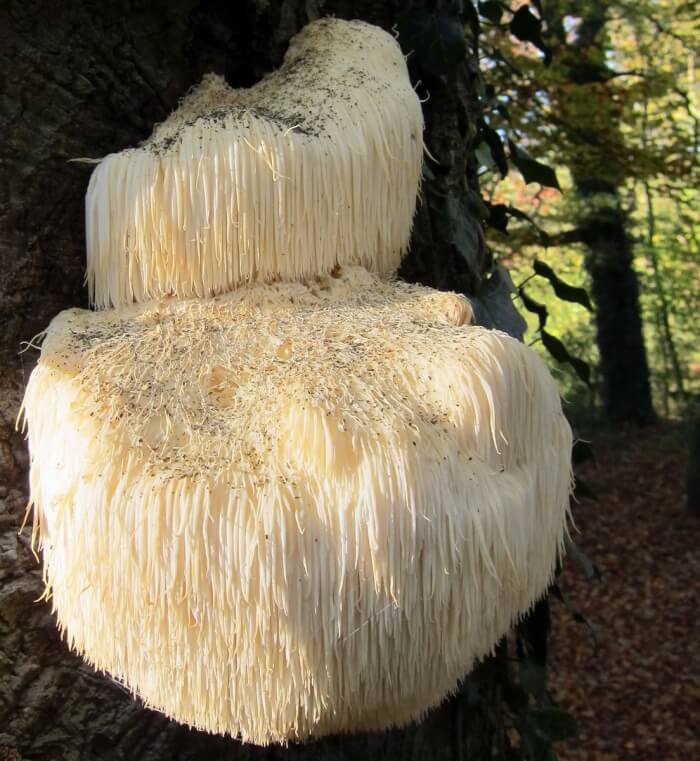
Lion’s Mane is a striking mushroom with cascading white spines that resemble a snowy waterfall. It grows well on hardwood logs such as oak or maple, especially in cool, damp conditions.
Indoors, you can use ready-to-fruit blocks that produce flushes in just weeks. Mist regularly to keep humidity high, and you’ll soon see clusters forming.
Harvest when the spines are long but before they yellow. Its texture is often compared to seafood, making it an exciting meat substitute in vegetarian dishes.
#9 White Caps
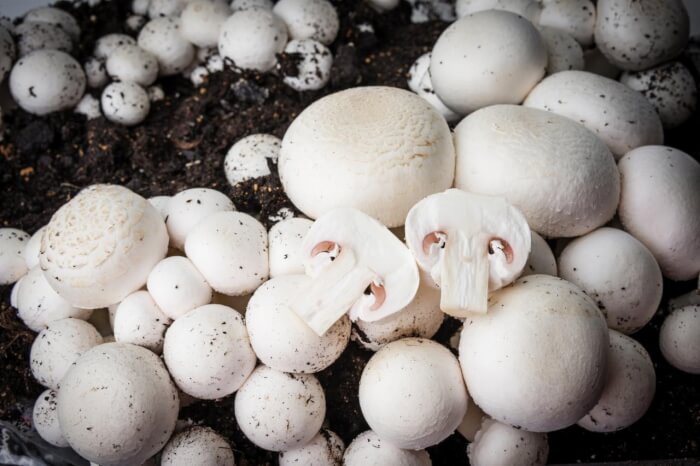
White Caps are among the most common mushrooms and one of the easiest to grow indoors. They thrive in compost-rich soil and don’t need sunlight, which makes them perfect for a basement or spare room.
You can also buy mushroom kits that provide everything you need. Keep the compost damp, and in just a few weeks, you’ll have fresh mushrooms.
Harvest when the caps are still closed for a mild flavor, or wait until they open for a richer taste. These versatile mushrooms are staples for omelets, pizzas, and sauces.
#10 Pearl Oyster Mushrooms
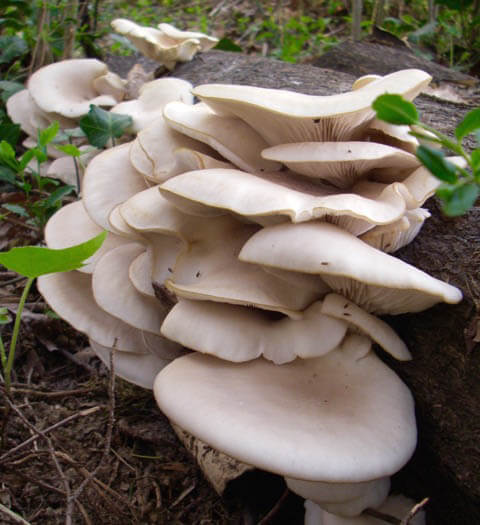
Pearl Oyster Mushrooms are compact, attractive, and perfect for small growing spaces. They do especially well in containers filled with coffee grounds or straw.
To grow them, layer the substrate with spawn in a bucket or bag, keep it moist, and cover loosely. In two to three weeks, clusters of pearly caps will appear.
Harvest while they are still tight for the best flavor and texture. Their delicate, slightly sweet taste enhances stir-fries, dumplings, and pasta.
#11 Maitake
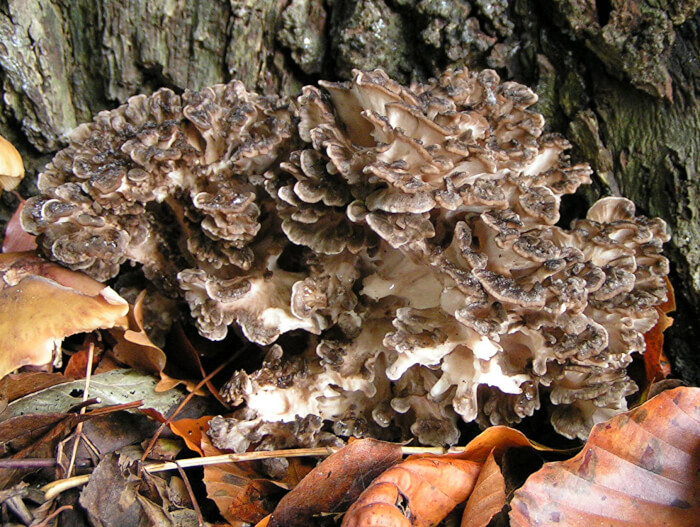
Maitake, also called “hen of the woods,” grows in ruffled clusters with a rich, earthy flavor. It is slower to fruit, often taking a year or more, but the rewards are worth the wait.
Start with hardwood logs or sawdust blocks and maintain a cool, shaded, moist environment. Be patient, as the mycelium needs time to colonize.
Once established, it can produce flushes for several years. Maitake adds incredible depth to broths, soups, and roasted vegetable dishes.
#12 Portabello
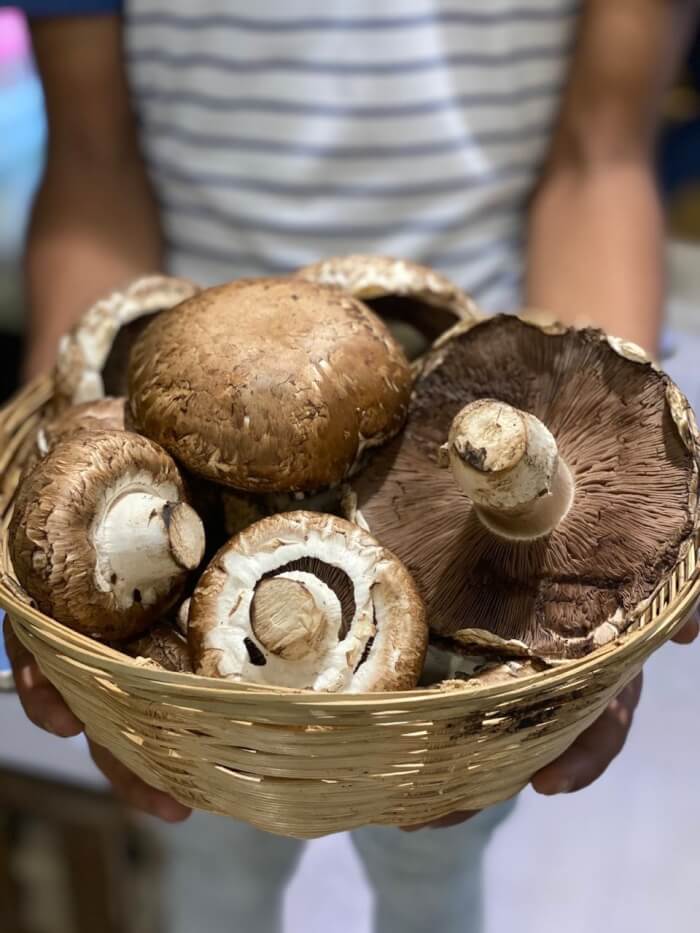
Portobello mushrooms are mature forms of white or brown caps, known for their large size and meaty texture. They grow easily in composted soil or mulch beds.
To cultivate, spread the spawn across the compost, cover lightly with soil, and keep the area moist. Harvest when the caps expand fully for grilling or stuffing.
Their robust flavor makes them a satisfying vegetarian option in burgers or pasta. With just a little care, you’ll have a steady supply of this kitchen favorite.