
Toxic common flowering plants for dogs and cats are more common than you might think. While flowers add beauty and color to your garden or home, many popular varieties can be harmful to pets if chewed or even touched.
Knowing which plants pose risks is essential to keeping your furry friends safe and healthy.
These plants often look harmless with their bright blooms and lush foliage, but they can trigger symptoms like vomiting, diarrhea, skin irritation, and in severe cases, seizures or organ failure.
The good news is that once you know the toxic varieties, you can avoid planting them or take steps to keep them out of reach. Here are 10 common flowers that may be dangerous for dogs and cats.
#1 Poinsettia
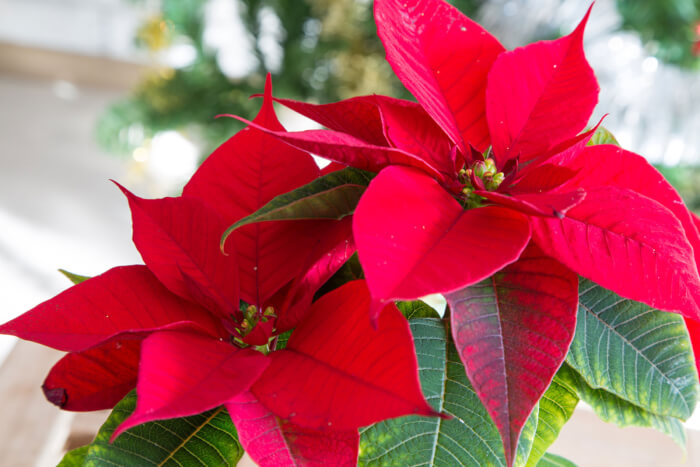
Poinsettias are popular during the holidays, but can irritate pets if ingested. The milky sap may cause drooling, mild vomiting, and inflamed skin. Cats and dogs that brush against broken stems may develop itching or rashes.
Place poinsettias on high shelves or decorate with safer alternatives. Keeping them out of reach is the easiest prevention.
#2 Azalea
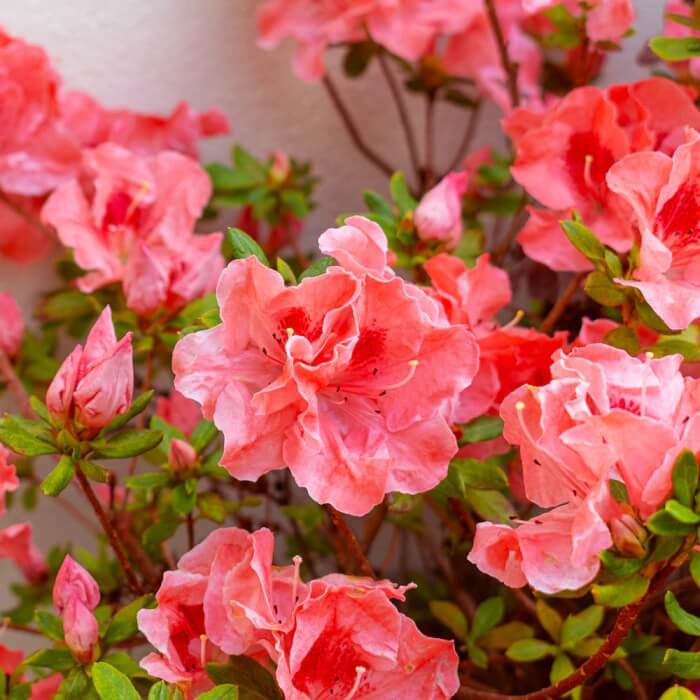
Azaleas contain toxins in every part of the plant, and even small amounts can make pets very sick. Symptoms include vomiting, drooling, diarrhea, tremors, and seizures.
In severe cases, poisoning may be life-threatening. If you grow azaleas, keep them well away from pets. Prompt veterinary attention is needed if ingestion occurs.
#3 Morning Glory
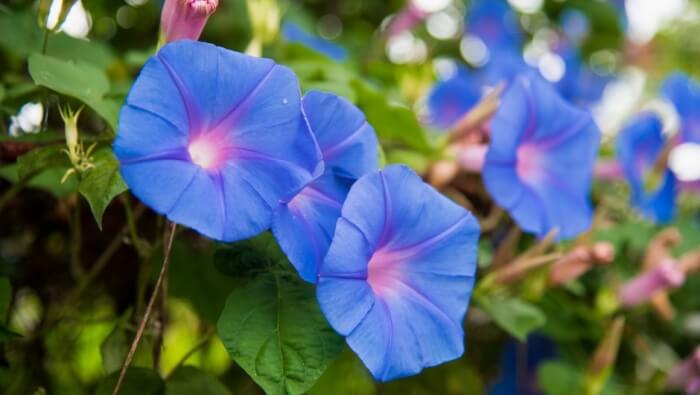
Morning Glory seeds contain lysergic alkaloids, which are highly toxic to pets. Eating them can lead to dilated pupils, tremors, vomiting, or even liver damage.
Prevent access by keeping plants in hanging baskets or secure areas. Dispose of fallen seeds right away to reduce risk.
#4 Chrysanthemum
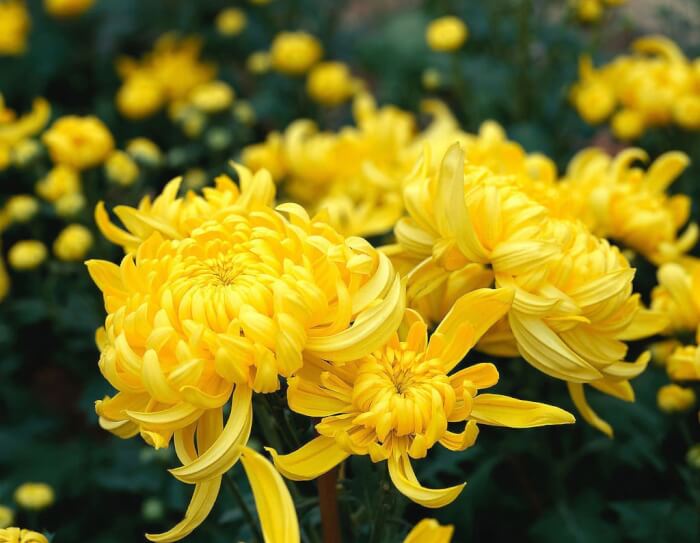
Chrysanthemums are beautiful fall flowers, but can harm cats and dogs. The leaves and stems contain pyrethrins, which may cause drooling, vomiting, diarrhea, and appetite loss.
Place pots out of reach or use barriers if you keep them indoors. Removing faded blooms quickly also reduces exposure.
#5 Lilies
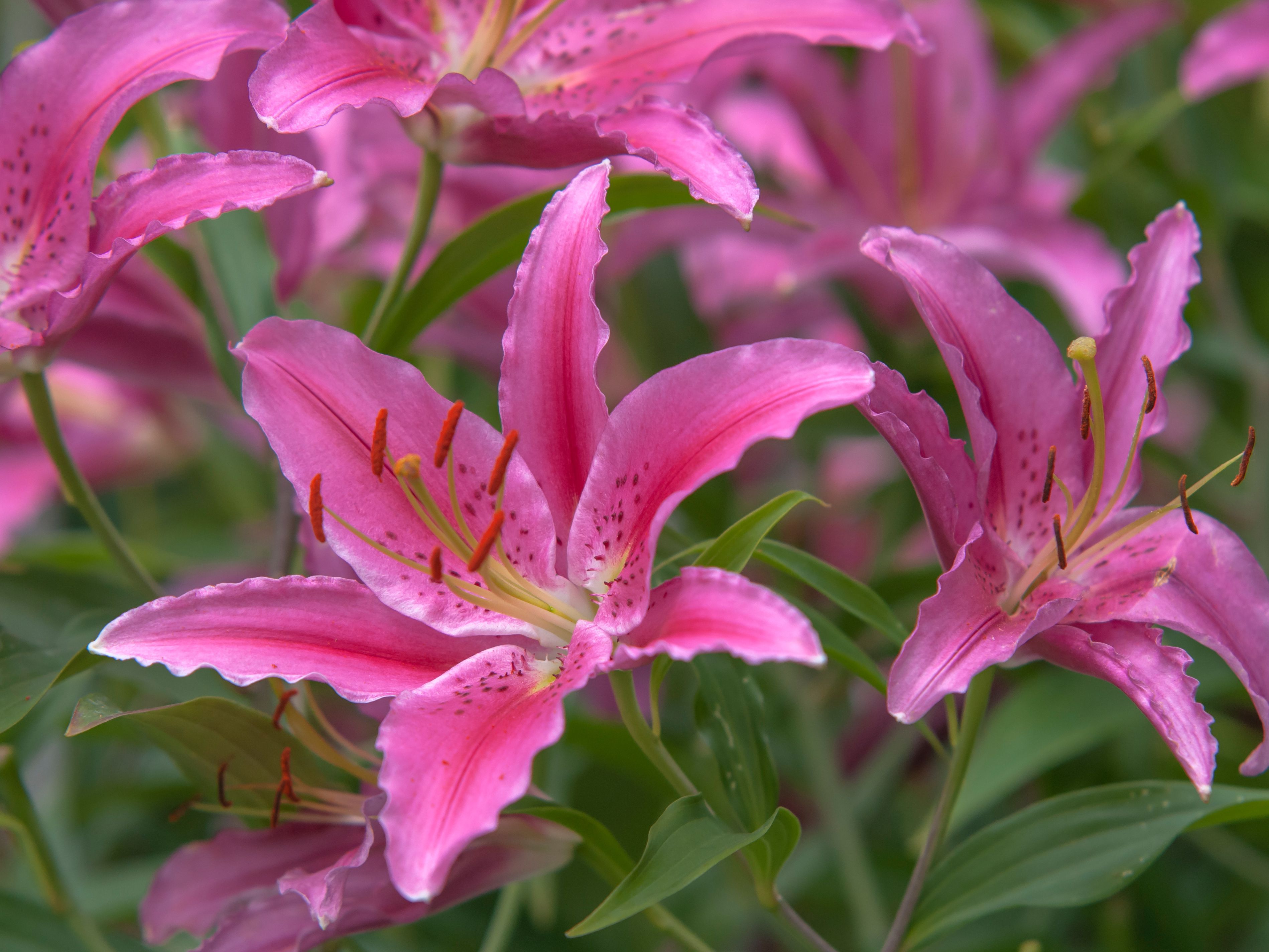
Lilies are especially dangerous for cats, with all parts of the plant posing risks. Even the pollen or water from a vase can trigger severe digestive upset, nausea, or kidney failure.
Dogs may also react with mouth irritation and vomiting. It’s best to avoid lilies entirely if you share your home with pets.
#6 Marigolds
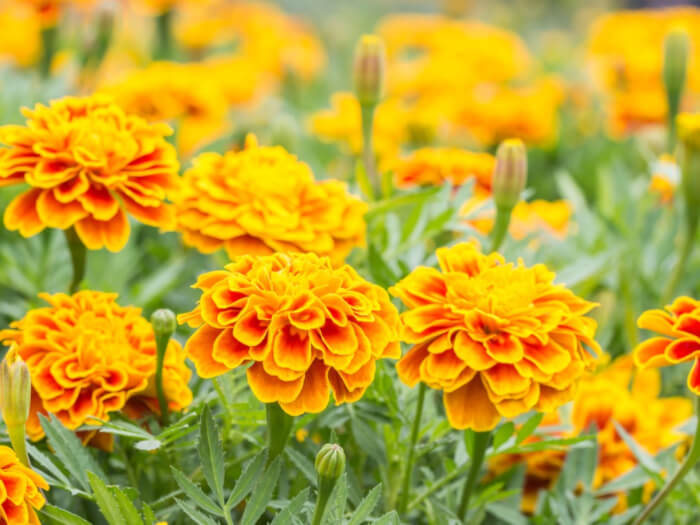
Marigolds are often grown for their bright blooms but may irritate pets. Chewing the leaves can cause stomach pain, drooling, and diarrhea.
The sap can also irritate skin. If you keep marigolds in the garden, monitor your pets and rinse skin quickly if contact occurs.
#7 Tulips
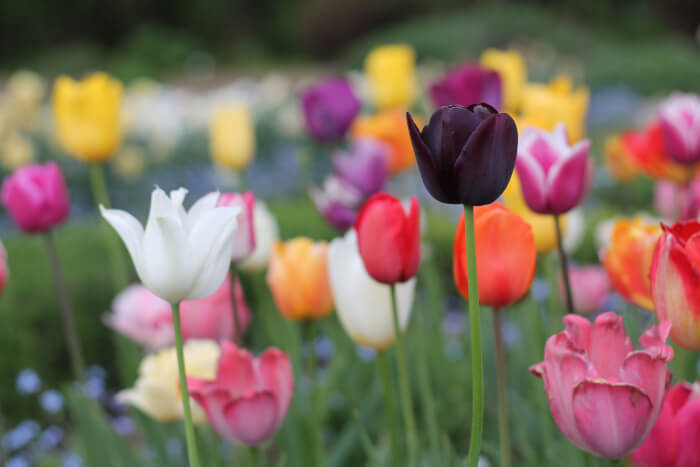
Tulips contain toxins throughout the plant, with the highest concentration in the bulbs. Pets that chew tulips may experience nausea, drooling, diarrhea, and vomiting.
Plant bulbs in fenced or elevated beds if you enjoy tulips. Store unplanted bulbs securely out of reach.
#8 Daffodils
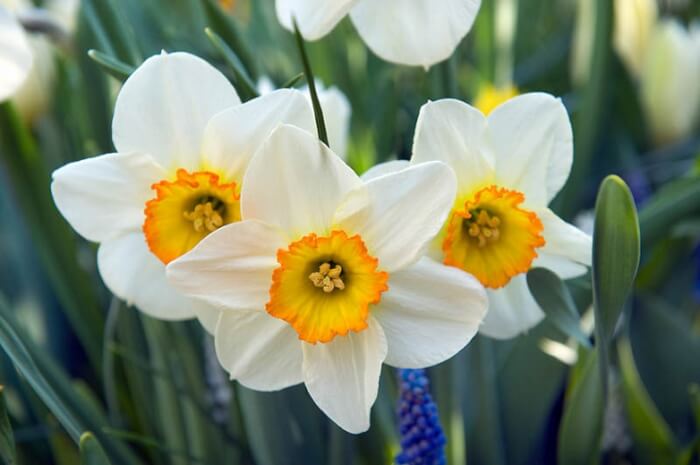
Daffodils brighten gardens each spring but contain lycorine, which is toxic to pets. Ingesting them can cause severe vomiting, tremors, seizures, and drooling.
Even the water in a vase can be risky. Always discard wilted daffodils safely and supervise pets outdoors when bulbs are sprouting.
#9 Hydrangea
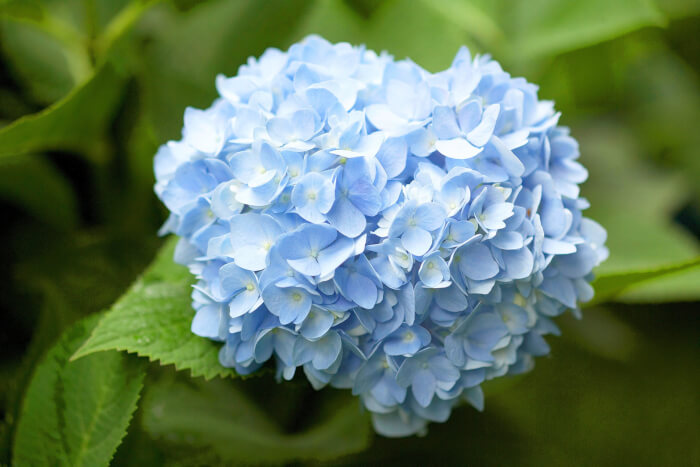
Hydrangeas contain cyanogenic glycosides that can affect breathing and digestion. Cats may suffer seizures or stiffness, while dogs may show fatigue, fever, or appetite loss.
Vomiting and diarrhea are common in both. Growing hydrangeas behind barriers or switching to pet-safe shrubs reduces the risk.
#10 Amaryllis
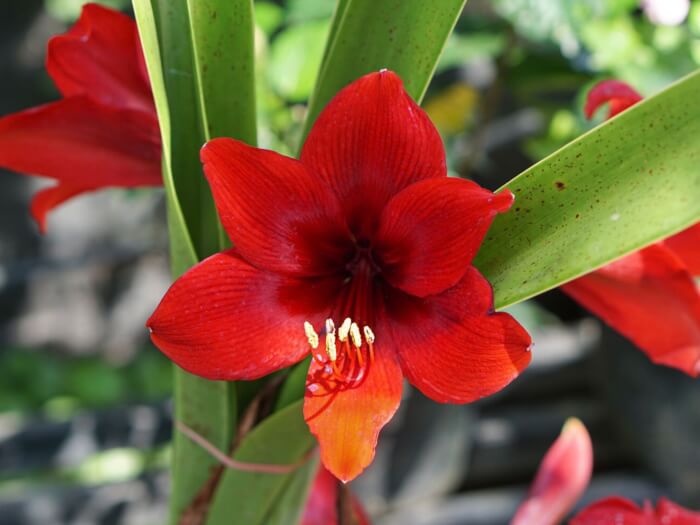
Amaryllis plants contain alkaloids that can upset your pet’s stomach. The bulbs are most toxic, but leaves and stems also cause vomiting, diarrhea, and trembling.
In larger amounts, pets may suffer from abdominal pain and lowered blood pressure. Always keep holiday amaryllis arrangements out of reach of cats and dogs.