
Landscaping with plants for steep slopes is one of the easiest ways to control erosion while creating a colorful, natural look. These plants thrive where grass struggles, covering ground quickly with flowers, greenery, or trailing stems.
Beyond beauty, they improve soil quality, attract bees and butterflies, and reduce weeding chores. Many of them tolerate poor soil and dry conditions, so you don’t need to fuss over constant watering.
By planting the right mix, you can turn a bare slope into a layered garden that holds strong in every season.
#1 Japanese Yew
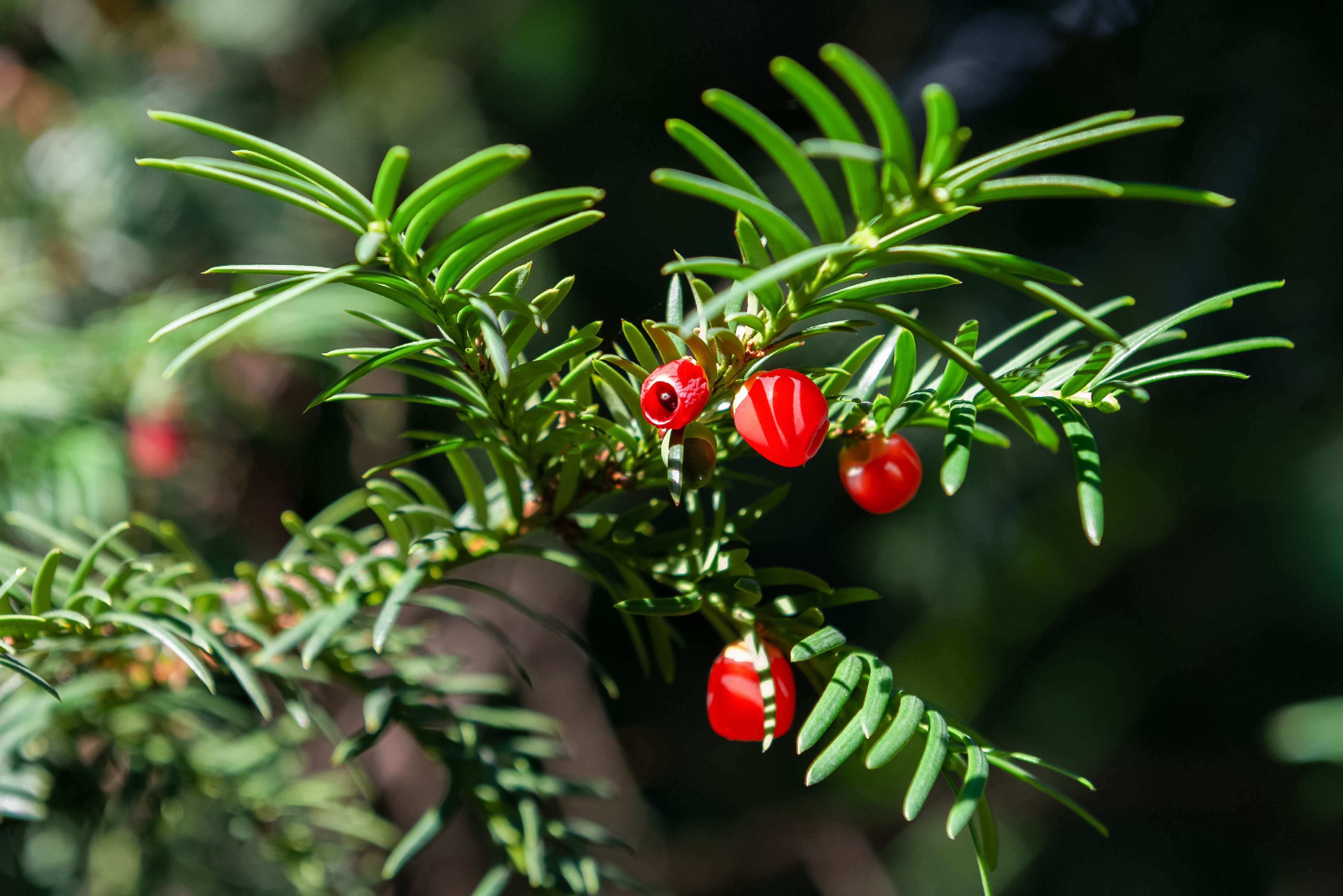
Japanese Yew is a hardy evergreen that thrives in zones 4 to 7. Its dense, dark-green foliage makes a dramatic backdrop while its bright red berries add seasonal color. Plant it on slopes where you want structure and year-round greenery.
It grows slowly but eventually spreads wide, creating excellent coverage. You should water deeply during dry spells to encourage strong root growth. Prune lightly in late winter to shape and keep it tidy.
#2 Roses
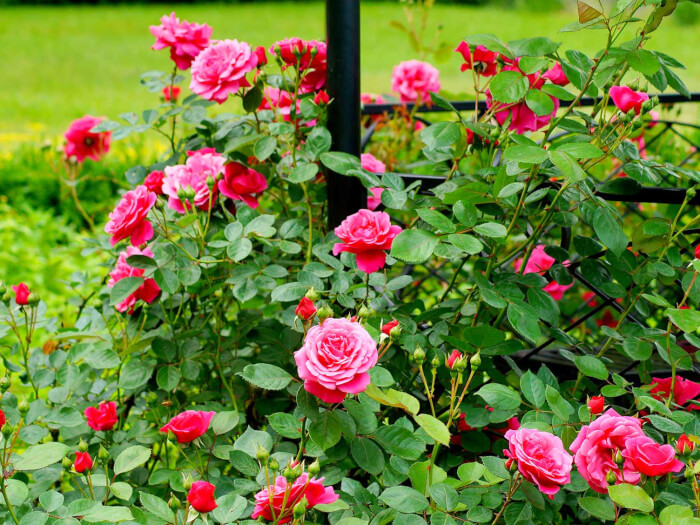
Ground-cover roses are ideal for steep slopes, especially in zones 5 to 11. Their spreading habit covers bare ground while bursts of colorful flowers brighten summer landscapes. These roses resist pests and require little care once established.
For best growth, plant them in full sun with well-draining soil. Mulch around the base to help retain moisture. A gentle pruning in spring will keep them blooming beautifully.
#3 Vinca
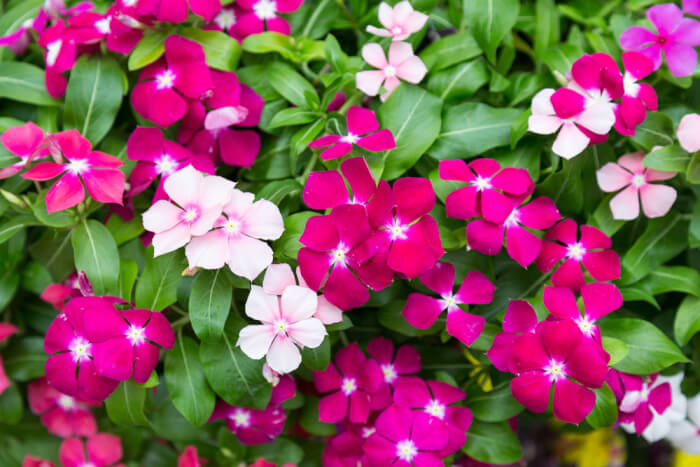
Vinca, often called periwinkle, is perfect for filling large areas on slopes. It thrives in zones 4 to 8 and spreads quickly with trailing stems. The glossy green leaves stay attractive year-round, while violet-blue flowers appear in spring.
You can plant it in full sun, but it also tolerates light shade. Clip runners to control growth if it spreads too aggressively. Water regularly until established, then it asks for very little care.
#4 English Ivy
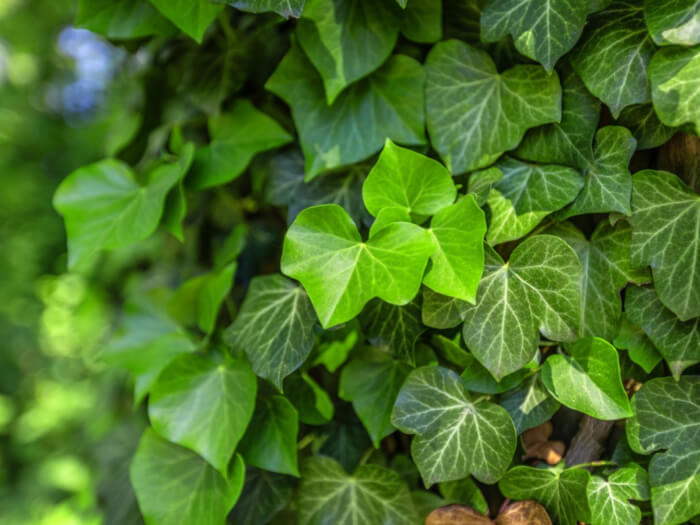
English Ivy creates a lush green carpet, making it excellent for steep banks. In zones 4 to 9, it can grow up to 80 feet long, quickly covering walls or slopes. Its small, greenish-white flowers bloom in fall and attract pollinators.
Plant it in partial to full shade for best results. Water consistently during its first year to help it root firmly. Once established, it handles tough conditions with ease.
#5 Daylilies
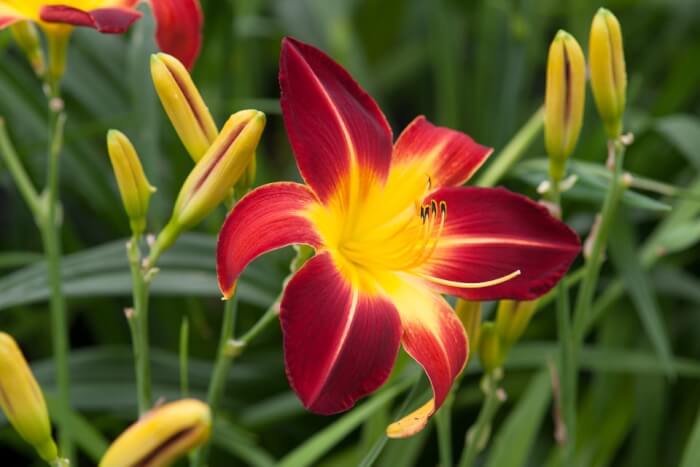
Daylilies add bursts of color to slopes with their cheerful, trumpet-shaped blooms. They thrive in zones 3 to 10 and bloom from late spring through summer. Each flower lasts a single day, but new buds open continuously for weeks.
Plant them in clumps for the best effect and water weekly to encourage abundant blooms. Remove faded flowers to extend the display. Over time, they’ll multiply and spread across the slope naturally.
#6 Hellebore
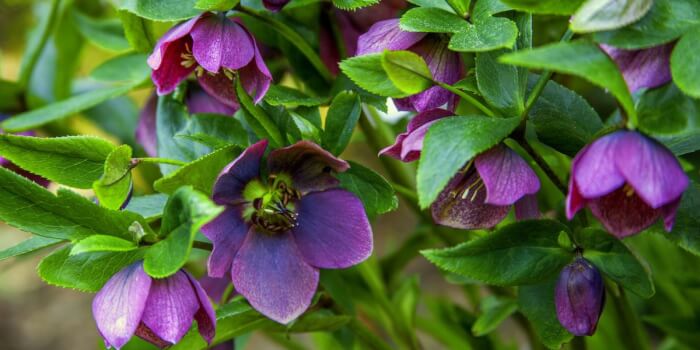
Hellebores are shade-loving perennials that bring early spring color to slopes. In zones 4 to 9, they grow about 18 inches tall with elegant flowers in pink, white, or purple. Their evergreen foliage keeps the slope attractive year-round.
Plant them in rich, moist soil where they’re protected from harsh sun. Water during dry spells and mulch to keep roots cool. They make steep shady corners come alive.
#7 Creeping Juniper
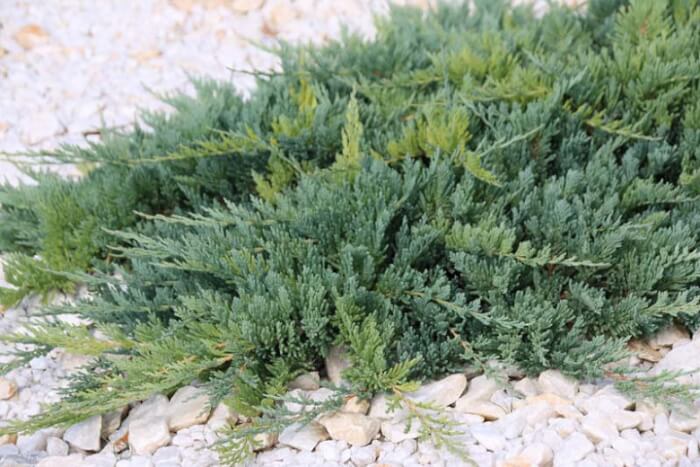
Creeping Juniper is a rugged evergreen that covers the ground quickly with scale-like foliage. Thriving in zones 3 to 9, it adapts to rocky or sandy soils, making it perfect for erosion control.
Its trailing branches spread wide, forming a dense mat of greenery. Plant it in full sun for the strongest growth. Water occasionally during its first year, then let it thrive on neglect. It’s one of the toughest options for steep hillsides.
#8 Rockrose
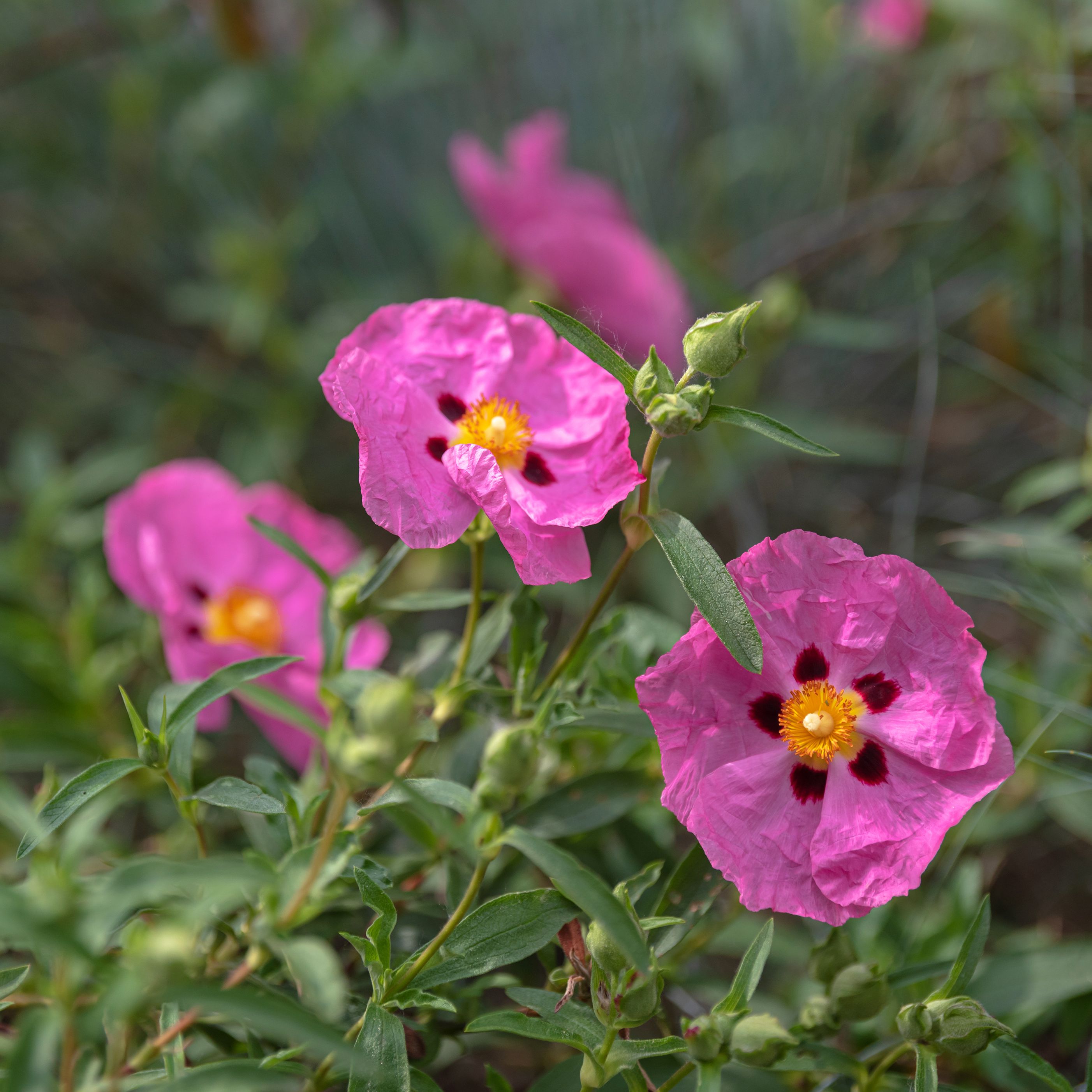
Rockrose thrives in poor, sandy soil and shines in zones 4 to 9. This drought-tolerant plant bursts into bloom in May, producing papery flowers in pink, white, or yellow.
Though each bloom lasts a single day, the plant keeps producing flowers into mid-summer. Plant it in full sun where drainage is sharp. Water sparingly once established, as it prefers dry roots. It brings both resilience and charm to slopes.
#9 Coneflower
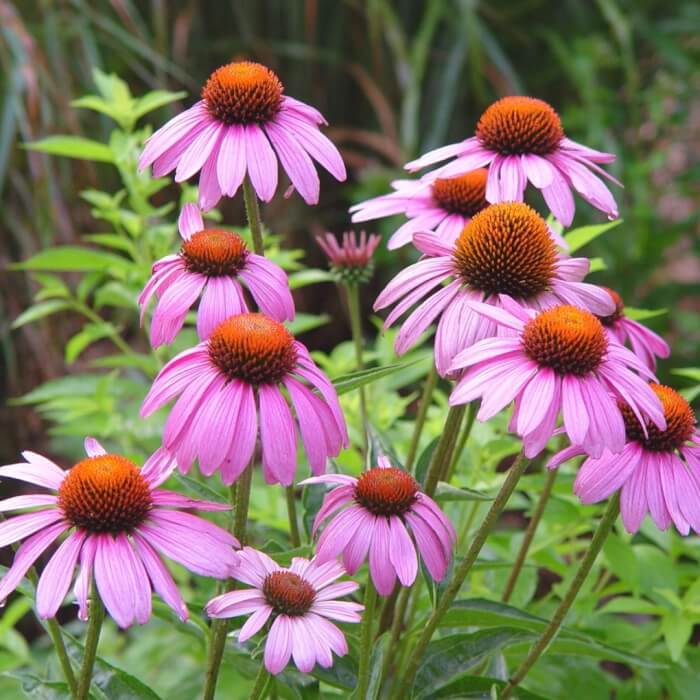
Coneflowers are bold perennials that thrive on slopes in zones 5 to 8. Their daisy-like blooms in purple, pink, or white attract bees, butterflies, and birds all summer long. These deep-rooted plants are excellent for stabilizing soil.
Plant them in sunny areas with well-draining soil. Water regularly during their first year, then they become drought-tolerant. Deadhead spent blooms to extend flowering into fall.
#10 Dwarf Coyote Bush
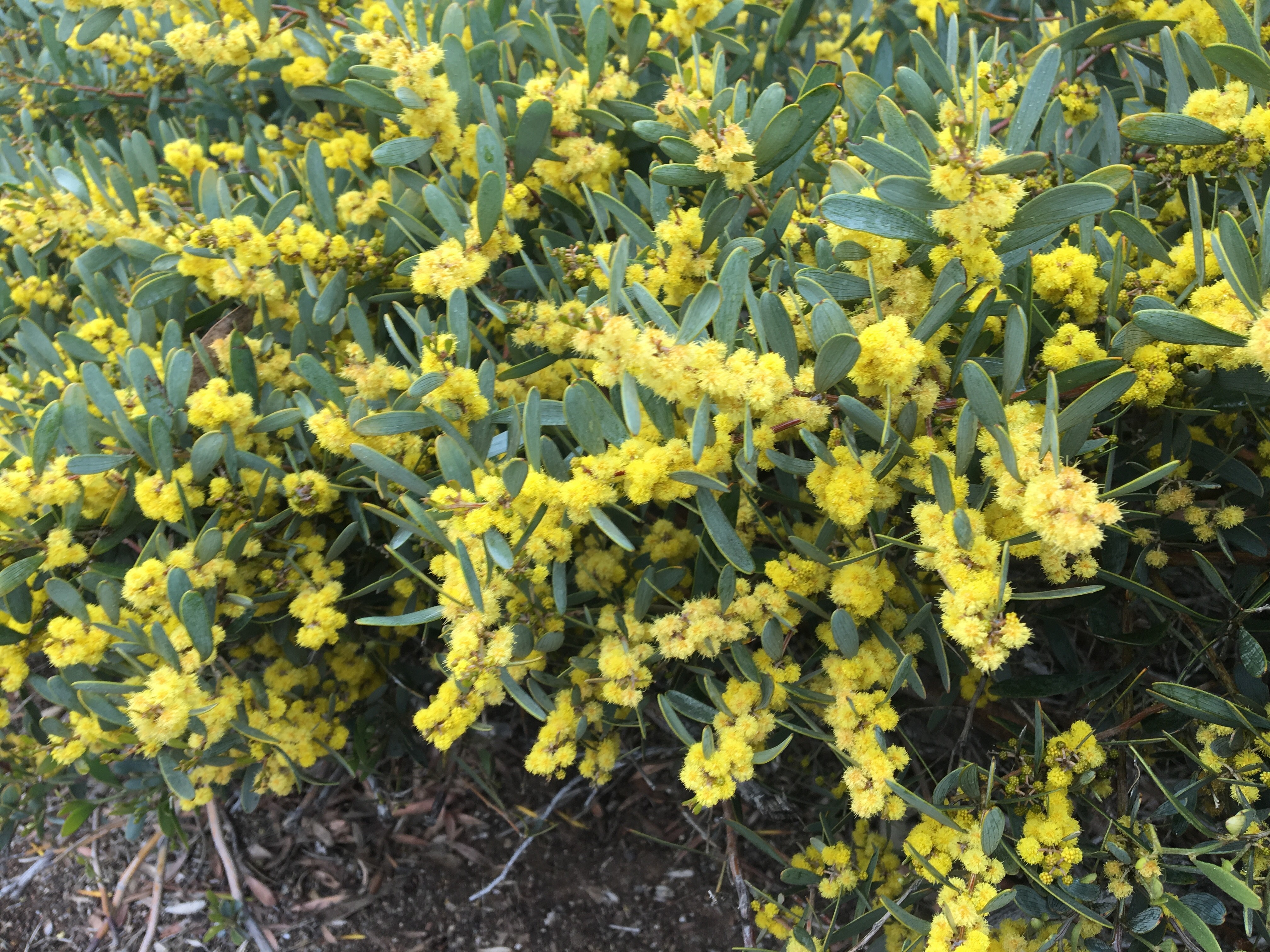
Dwarf Coyote Bush is a native evergreen shrub ideal for dry, sunny slopes. Growing in zones 8 to 10, it produces small yellow or white flowers in fall. Its dense foliage helps prevent erosion and suppress weeds.
Plant it in sandy, slightly acidic soil for best results. Water regularly until established, then reduce to minimal care. It’s tough, wildlife-friendly, and perfect for a naturalistic slope.
#11 Dwarf Forsythia
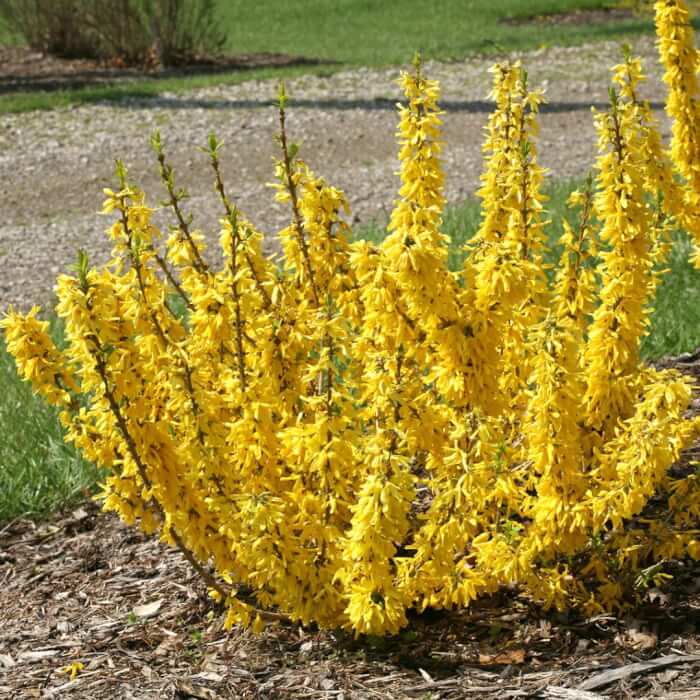
Dwarf Forsythia brightens slopes with early spring blooms in bright yellow. In zones 5 to 8, it grows about 3 feet tall and spreads wide. Plant it on banks for cheerful color before most other plants wake up.
Prune lightly after flowering to keep it compact and encourage more blooms next year. Mulch around the base to protect roots in winter. This plant is a low-maintenance burst of sunshine.
#12 California Lilac
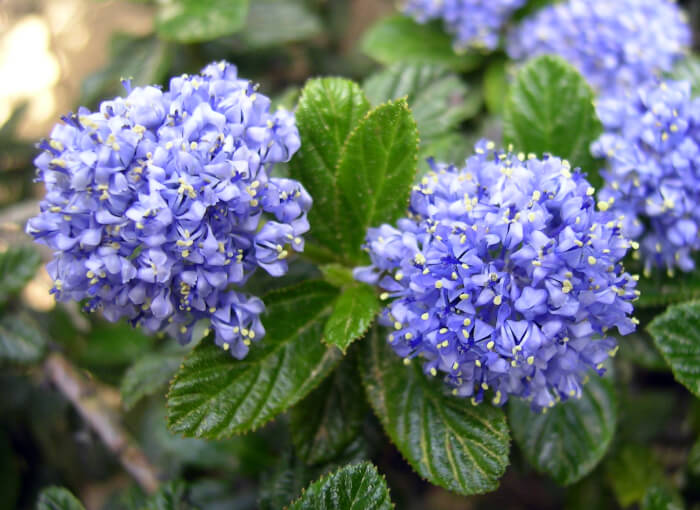
California Lilac is a fragrant, evergreen shrub that thrives in zones 7 to 11. In June, it produces masses of deep blue or purple flowers that last for weeks. Its glossy foliage remains attractive all year.
Plant it in full sun with well-drained soil to keep it healthy. Water deeply during long dry periods to establish strong roots. It’s a striking plant that turns slopes into colorful, pollinator-friendly spaces.