
Colorful succulents can transform a simple shelf, windowsill, or garden corner into a living mosaic of pinks, purples, silvers, and glowing greens. Unlike high-maintenance houseplants, these beauties thrive with less fuss, often rewarding you with deeper colors when exposed to bright sun or a touch of environmental stress.
I’ve seen firsthand how a jade plant’s edges blush red after just a week of longer daylight, or how lithops bloom unexpectedly after months of looking like silent stones.
What makes succulents so irresistible is the way they change. Their tones shift through the seasons, responding to light, water, and temperature, almost like mood rings for your home.
You don’t need hours of care, just the right soil, a sunny spot, and patience. With the right mix, your home can hold an ever-changing gallery of living color.
#1 Paddle Plant (Kalanchoe Luciae)
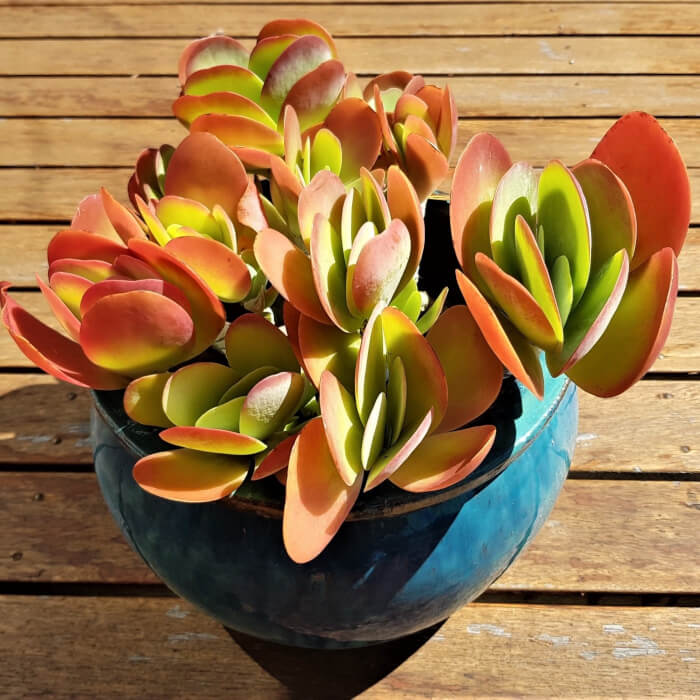
Wide, paddle-shaped leaves stack in a rosette that turns blush red under strong light. In lower light, the leaves remain pale green, but just a few weeks in full sun deepen the tones dramatically.
I keep mine near a bright window, where the color intensifies during winter. A gritty potting mix and minimal watering keep it healthy. If you want stronger reds, allow the soil to dry longer before watering.
#2 Sunset Jade (Crassula Ovata ‘Sunset’)
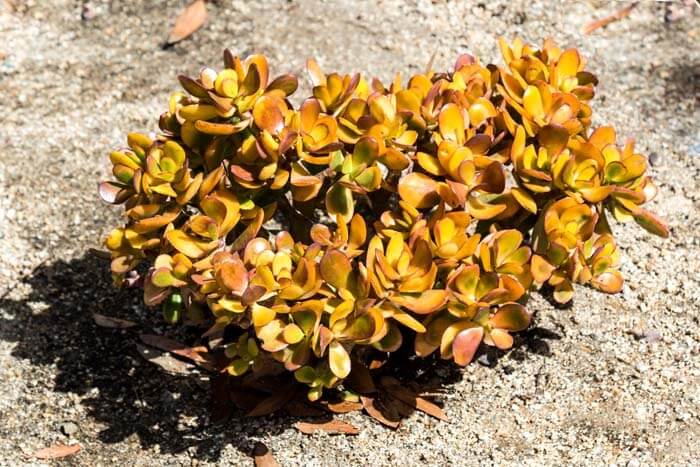
Golden leaves edged with ruby make Sunset Jade glow like stained glass when sunlight hits. This is one of the easiest succulents to keep indoors since it tolerates less frequent watering.
Pruning helps keep it compact, and cuttings root quickly in soil or water. I’ve found that placing it on a sunny windowsill for a few hours a day keeps the margins bright red. Avoid soggy soil to prevent leaf drop.
#3 Chroma (Echeveria ‘Chroma’)
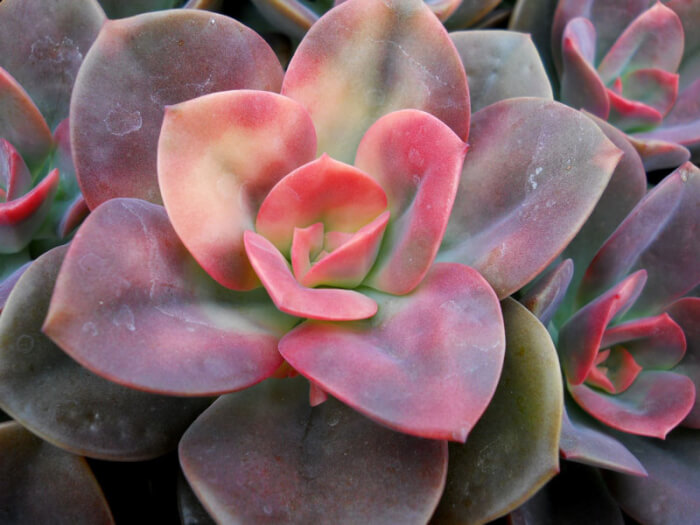
The glossy, fleshy leaves of Chroma shift from deep maroon to purple, depending on light and stress. It looks like a painter swirled shades of wine across its rosette.
Strong sun helps bring out the boldest colors, while partial shade softens them. Mine thrives in a shallow clay pot, which keeps the soil dry between waterings. This variety rewards restraint; less water equals more vibrant tones.
#4 Morning Light Echeveria (Echeveria ‘Morning Light’)
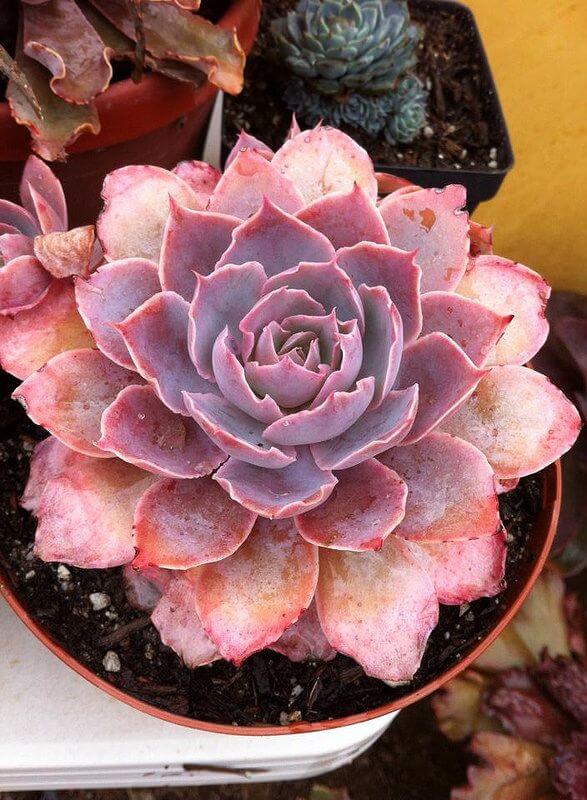
This hybrid dazzles with lavender leaves edged in soft pink. When it blooms, clusters of orange-red flowers rise above the rosette, adding another layer of contrast.
A bright spot with morning sunlight works beautifully for maintaining both foliage and flowers. I water it about once every two weeks, waiting until the leaves feel firm but not swollen. Its six-inch rosette looks stunning in pale ceramic pots.
#5 Living Stones (Lithops)
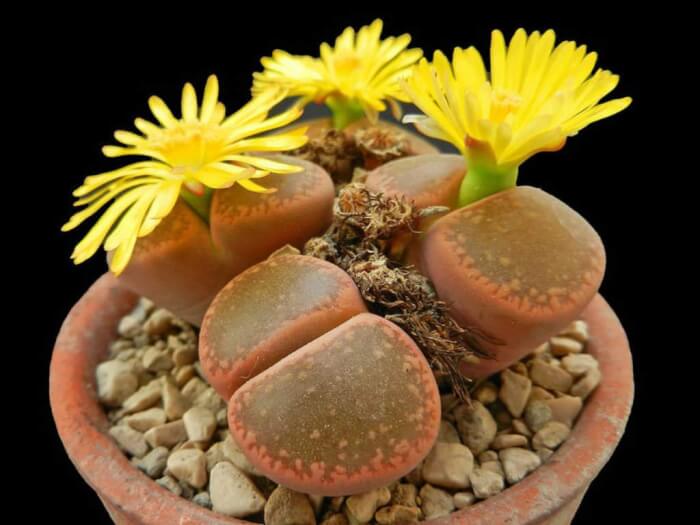
These pebble-like plants are easy to overlook until they bloom. Their fused leaves carry intricate patterns in grays, lilacs, and greens, then suddenly split to reveal a bright yellow daisy flower.
I keep mine in sandy soil with a shallow dish to mimic their desert home. They prefer neglect too much water kills them quickly. Watching them “wake up” after a long dormant period always feels like magic.
#6 Red Aloe (Aloe cameronii Hemsl.)
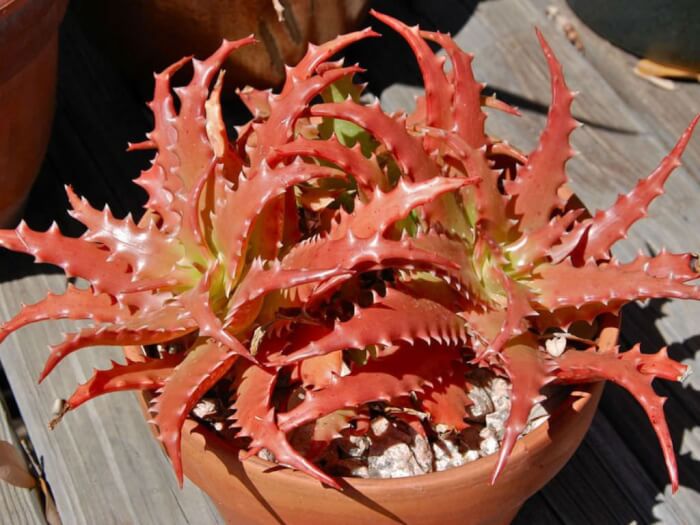
Unlike regular aloe, this one turns glowing copper red under summer heat. Its arching leaves look almost metallic in the sunlight. It thrives outdoors but adapts indoors with a sunny window and warm temperatures.
I’ve noticed the red tones fade if watered too often, so I let the soil go bone dry before watering again. In winter, the leaves return to green, creating a natural seasonal cycle.
#7 Sunburst Aeonium (Aeonium ‘Sunburst’)
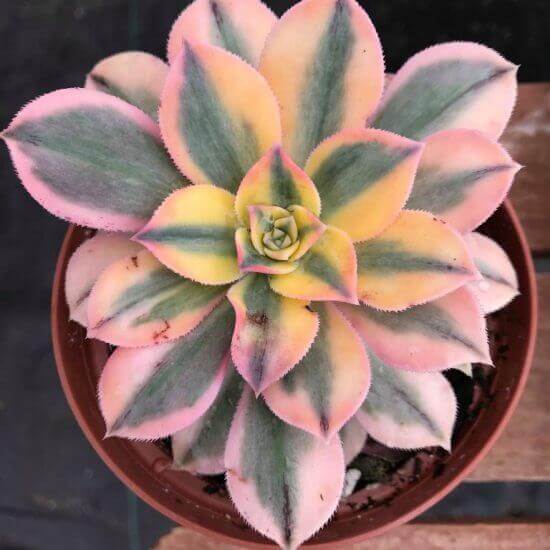
Cream, green, and pink stripes spiral into a radiant rosette. This plant prefers bright but gentle sunlight, where the pastel colors stay strong without scorching.
I rotate my pot weekly so each side gets equal light. It grows quickly in spring, so pruning can help keep the rosette balanced. In cooler climates, bring it indoors before frost.
#8 Black Knight (Echeveria Affinis ‘Black Knight’)
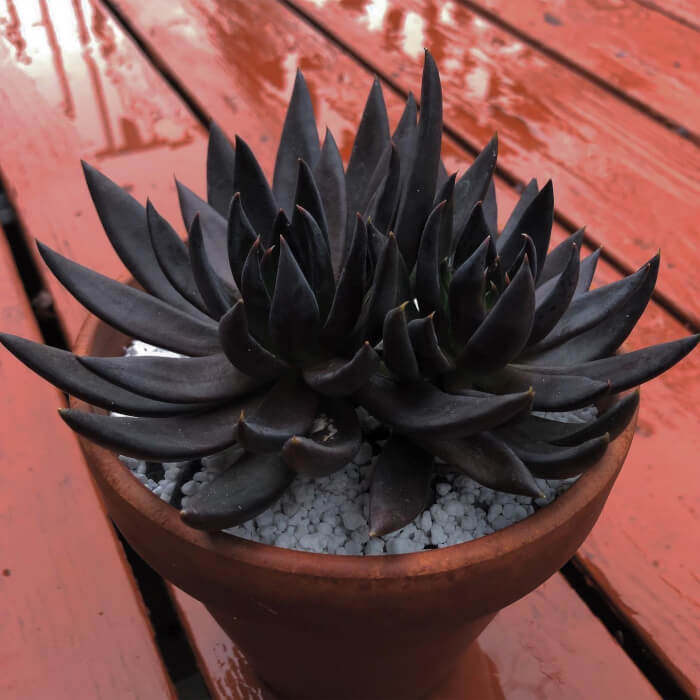
Thick purple leaves turn almost black in strong light, giving this plant a bold, dramatic presence. Coral-red blooms rise on tall stalks in summer, contrasting beautifully with the dark foliage.
Mine sits on a south-facing sill, where the light sharpens the deep hues. A sandy mix is crucial to keep roots dry and prevent rot. Water only when the leaves start to wrinkle slightly.
#9 Red Edge Echeveria (Echeveria subrigida ‘Fire and Ice’)
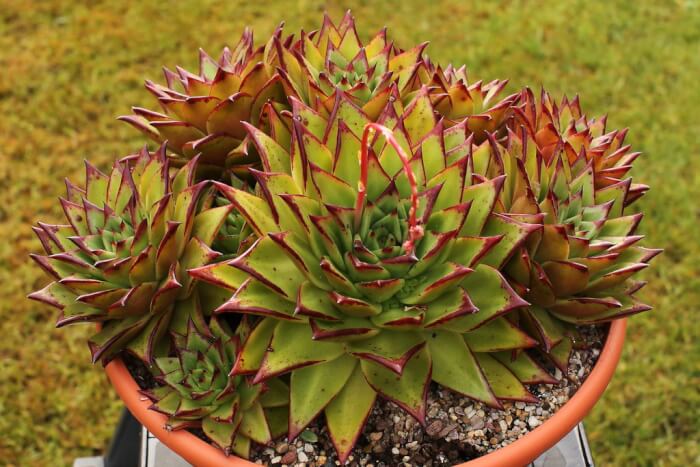
Silvery-blue leaves outlined in crimson make this variety glow. It needs at least four hours of direct sun to bring out the strongest red edges.
I find that outdoor placement in warm months makes the colors richer than indoor light alone. Use well-drained soil and water sparingly. Regular trimming of old leaves keeps the rosette neat and tidy.
#10 Dragon’s Blood (Phedimus Spurius ‘Dragon’s Blood’)
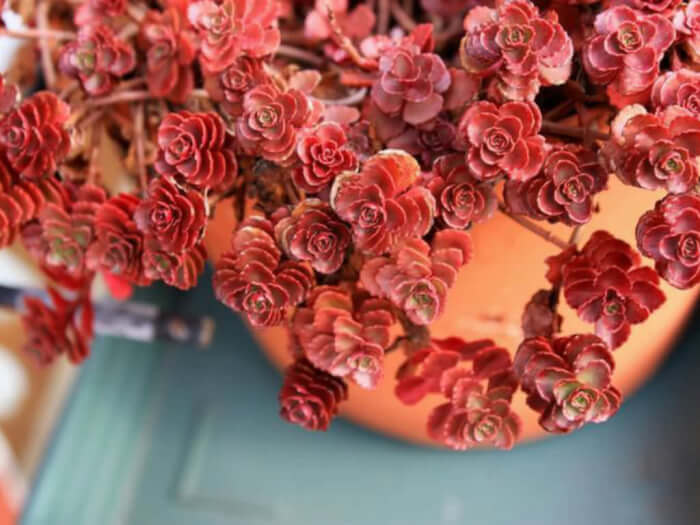
This groundcover succulent flushes bronze in late summer, then deepens to red in fall. Its trailing habit makes it ideal for hanging baskets or spilling from pots.
I’ve used it in rock gardens, where it spreads quickly without extra fuss. Full sun intensifies the colors, while partial shade softens them to green. It handles light pruning well if you want to control its spread.
#11 Houseleek (Sempervivum Tectorum)
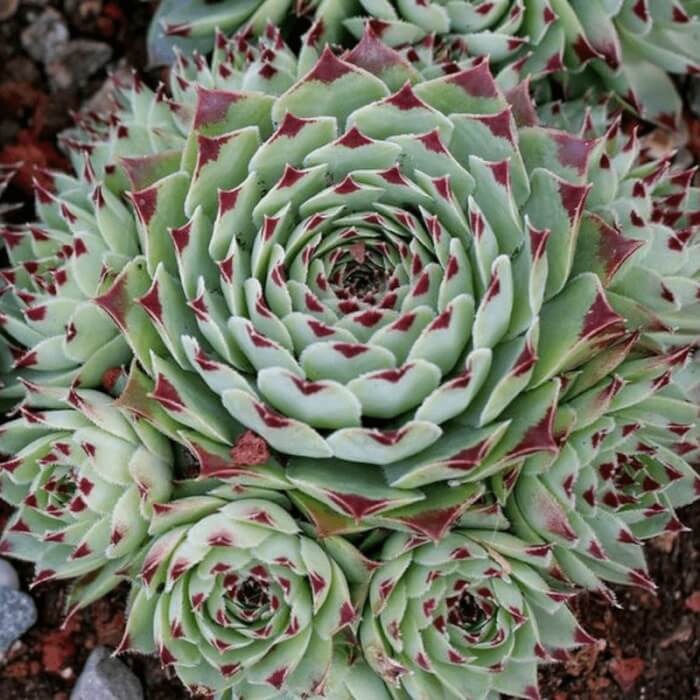
Tight rosettes of green tipped in purple make houseleeks classic cottage plants. They multiply rapidly, creating clusters that fill containers or stone walls beautifully.
Mine often send out offsets that can be replanted with ease. They thrive with little water, especially in rocky soil. Sunlight brings out the deepest reds and purples.
#12 Silveron Red Echeveria (Echeveria ‘Silveron Red’)
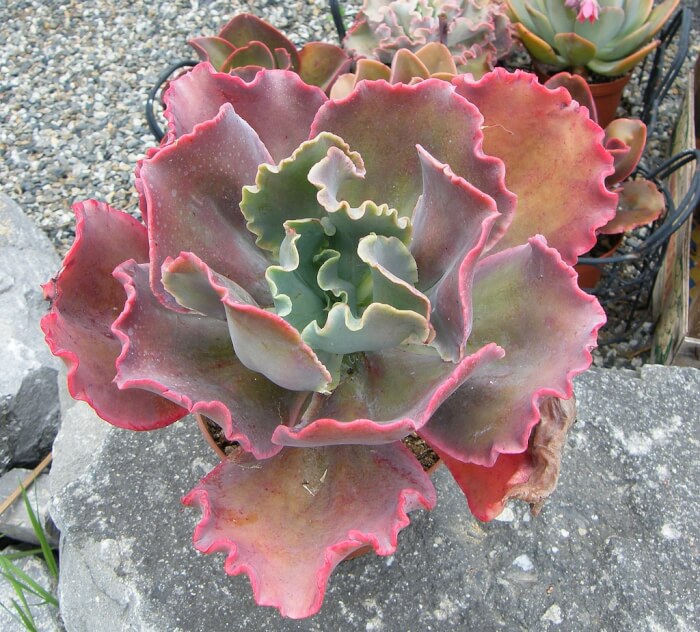
Wavy leaves coated with silvery dust glow in rich red hues. This succulent looks like a sculpted piece of metal art. Place it in full sun to deepen its color and highlight the silver coating.
Water sparingly and ensure fast drainage. I find shallow clay pots suit this one best, keeping the roots dry and healthy.
#13 Echeveria ‘Wine Red’ (Echeveria Agavoides cv. Wine Red)
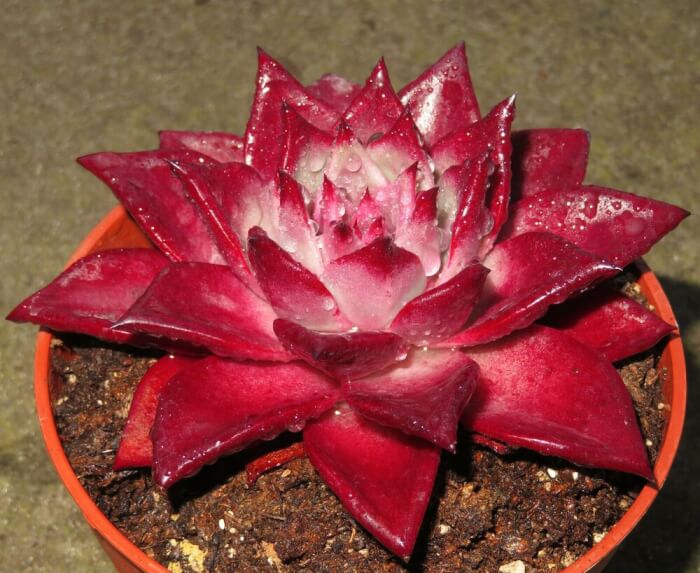
The entire plant blushes in shades of deep red, unlike many that only color at the tips. Direct light brings out its strongest tones, creating a rosette that looks painted with burgundy wine.
I grow mine outdoors in summer, then move it indoors for winter light. A gritty mix helps prevent excess moisture. Withholding water slightly sharpens its dramatic colors.
#14 Pink Champagne (Echeveria ‘Pink Champagne’)
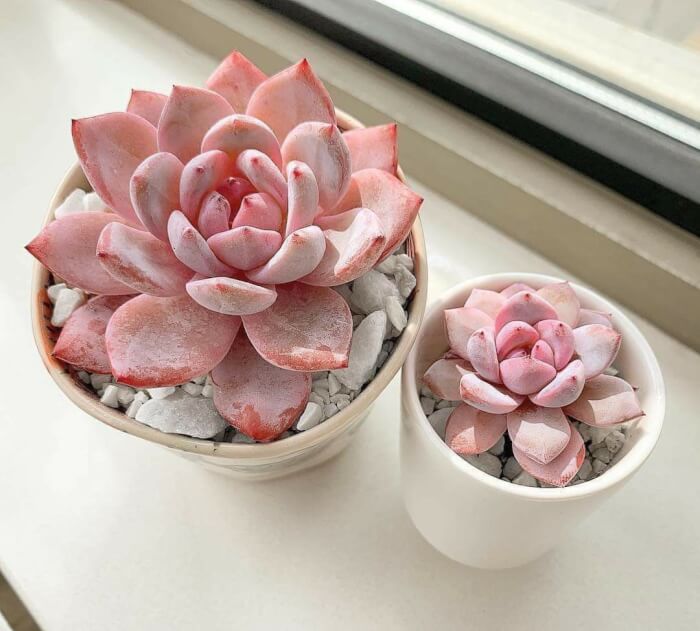
Rosettes of powdery pink leaves give this variety a soft, romantic look. The tones shift with stress, often becoming brighter under strong light.
I keep mine on a sunny windowsill, watering only when the soil is dry. Avoid splashing water on the leaves to protect their delicate coating. It’s a slow grower, but worth the patience.
#15 Red Pagoda (Crassula Capitella “Red Pagoda”)
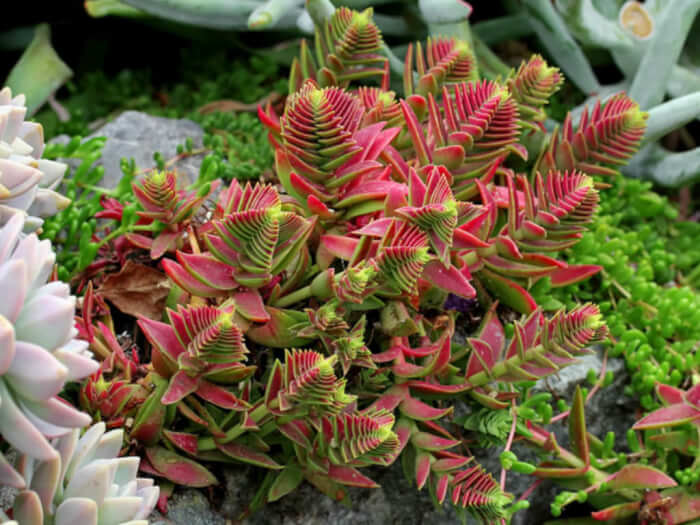
Stacked leaves rise like tiny pagodas, green at the base and fiery red at the tips. The geometric form is striking in any arrangement.
Sunlight is key for the richest reds, so place it outdoors or near a bright window. I trim stems lightly to encourage branching. A sandy mix helps keep the structure firm and upright.
#16 Blue Carpet Sedum (Sedum Hispanicum ‘Blue Carpet’)
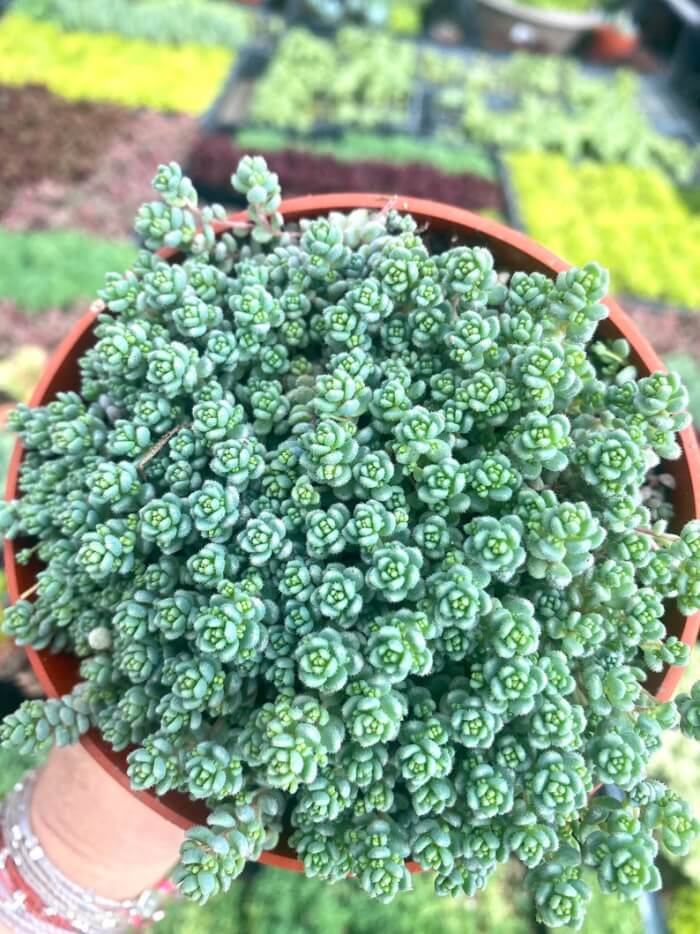
Compact mats of blue-green leaves spread like a soft carpet. It’s especially pretty in bowls or tucked into rock gardens.
Bright sun helps maintain its color and form. I water it lightly during summer and let it rest in cooler months. It pairs well with taller succulents for contrast.
#17 Black Beauty (Aeonium Arboreum ‘Zwartkop’)
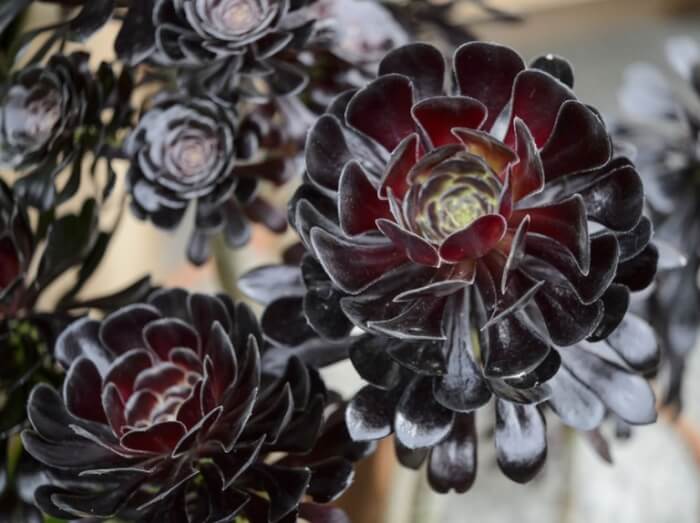
Burgundy rosettes deepen to near black in strong sunlight. Their bold tones make them perfect for patio displays or striking container gardens.
I’ve seen the color dull in shade, so placement matters. Protect from frost and water only when dry. Its dramatic look makes even small pots feel grand.
#18 Pink Moonstone (Pachyphytum Oviferum ‘Pink Moonstone’)
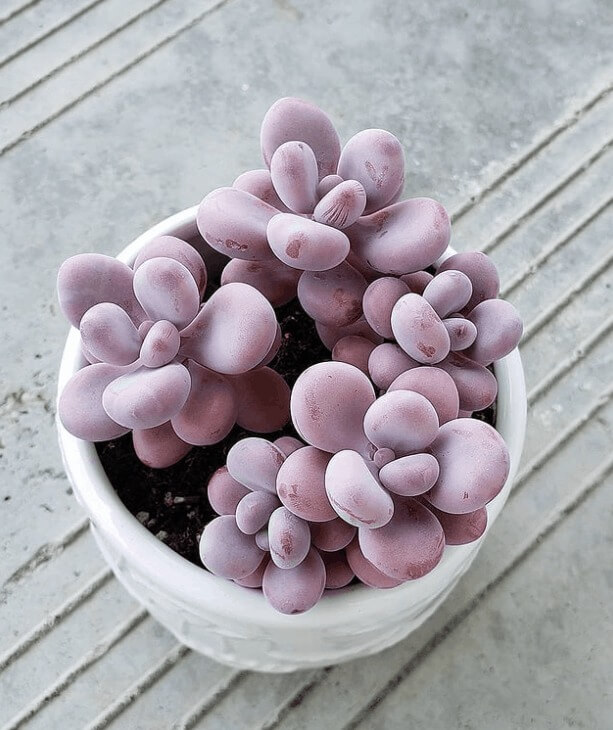
Rounded leaves shimmer in pastel pink with lavender undertones. A powdery coating gives them a frosted glow. Mine thrives in bright indirect light, where the tones stay soft but steady.
Water lightly and avoid touching the leaves, as the coating rubs off easily. This one always feels like a tiny piece of candy.
#19 Queen Victoria Agave (Agave Victoriae-reginae)
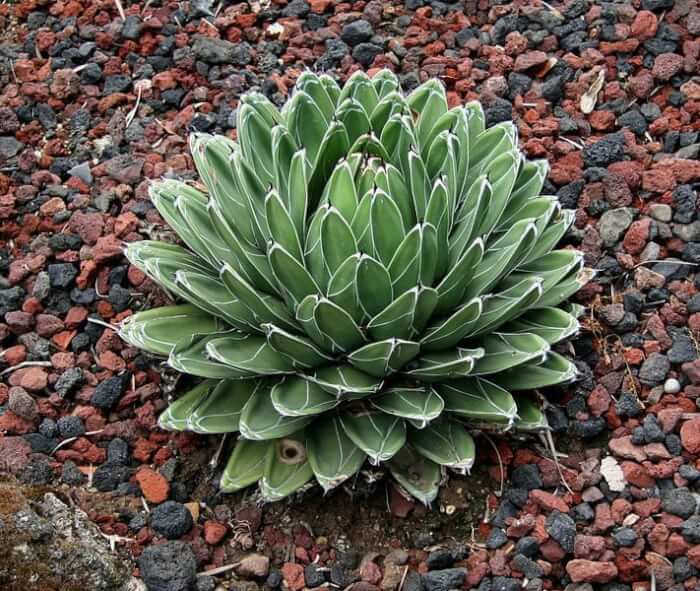
Sharp geometric leaves outlined in white make this agave look like a natural sculpture. It grows slowly but holds its striking form year after year.
I keep mine in clay pots outdoors during summer, where it gets hours of direct light. Gritty soil is essential to prevent rot. It needs little water but rewards you with elegance every season.
#20 Jelly Bean Sedum (Sedum Rubrotinctum ‘Aurora’)
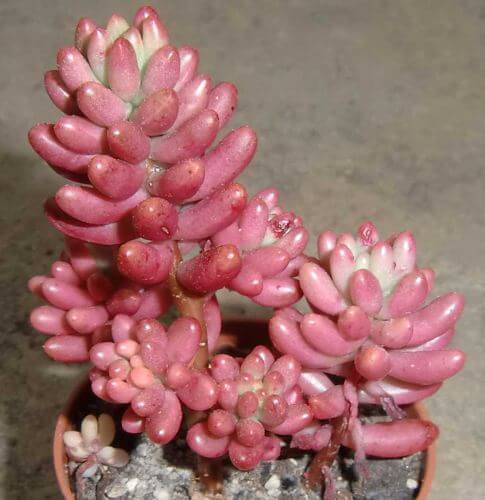
Plump, bean-shaped leaves turn pink under strong sunlight. Their playful look adds charm to windowsills or kid-friendly gardens.
I prune back stretched stems to keep mine compact. A sandy mix helps prevent rot, and watering once the soil is dry keeps it colorful. Bright light intensifies its candy-like tones.
#21 Baby’s Necklace (Crassula ‘Baby’s Necklace’)
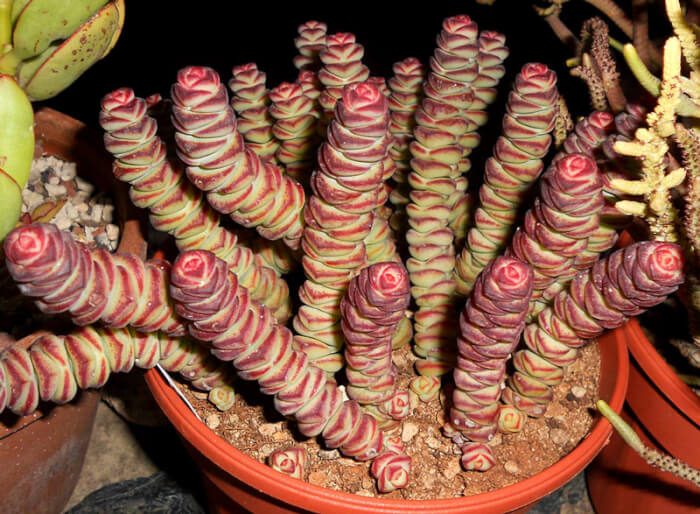
Bead-like leaves stack neatly along stems edged in red. The shape makes it look like strands of jewelry.
Mine thrives in a small terracotta pot with bright indirect light. Allow the soil to dry out completely before watering again. It’s a plant that always makes visitors smile.
#22 Ruby’s Necklace (Othonna Capensis ‘Ruby’s Necklace’)
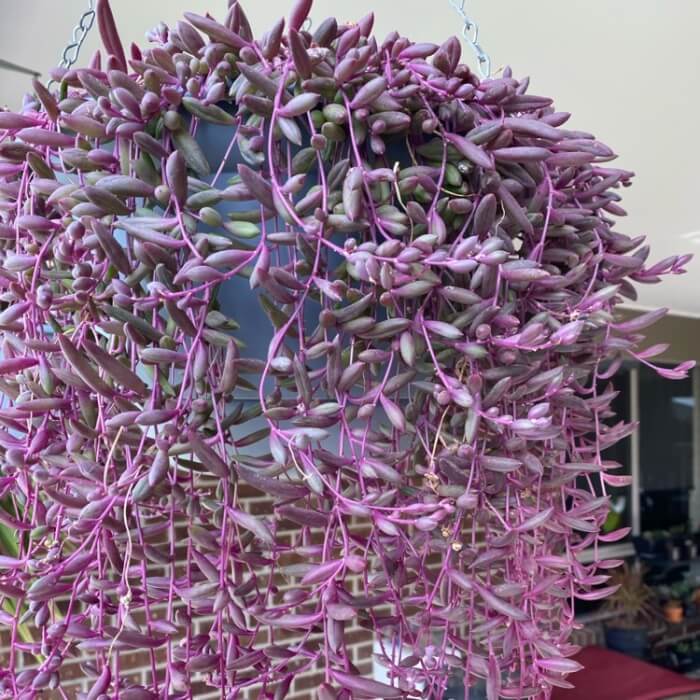
Long purple stems trail with narrow bean-like leaves that shift between green and burgundy. The stems glow ruby red when grown in the sun.
I grow mine in a hanging basket where it spills naturally over the edges. Trimming helps keep it full and tangle-free. Water only when the soil feels dry to the touch.
#23 Cheyenne (Echeveria ‘Cheyenne’)
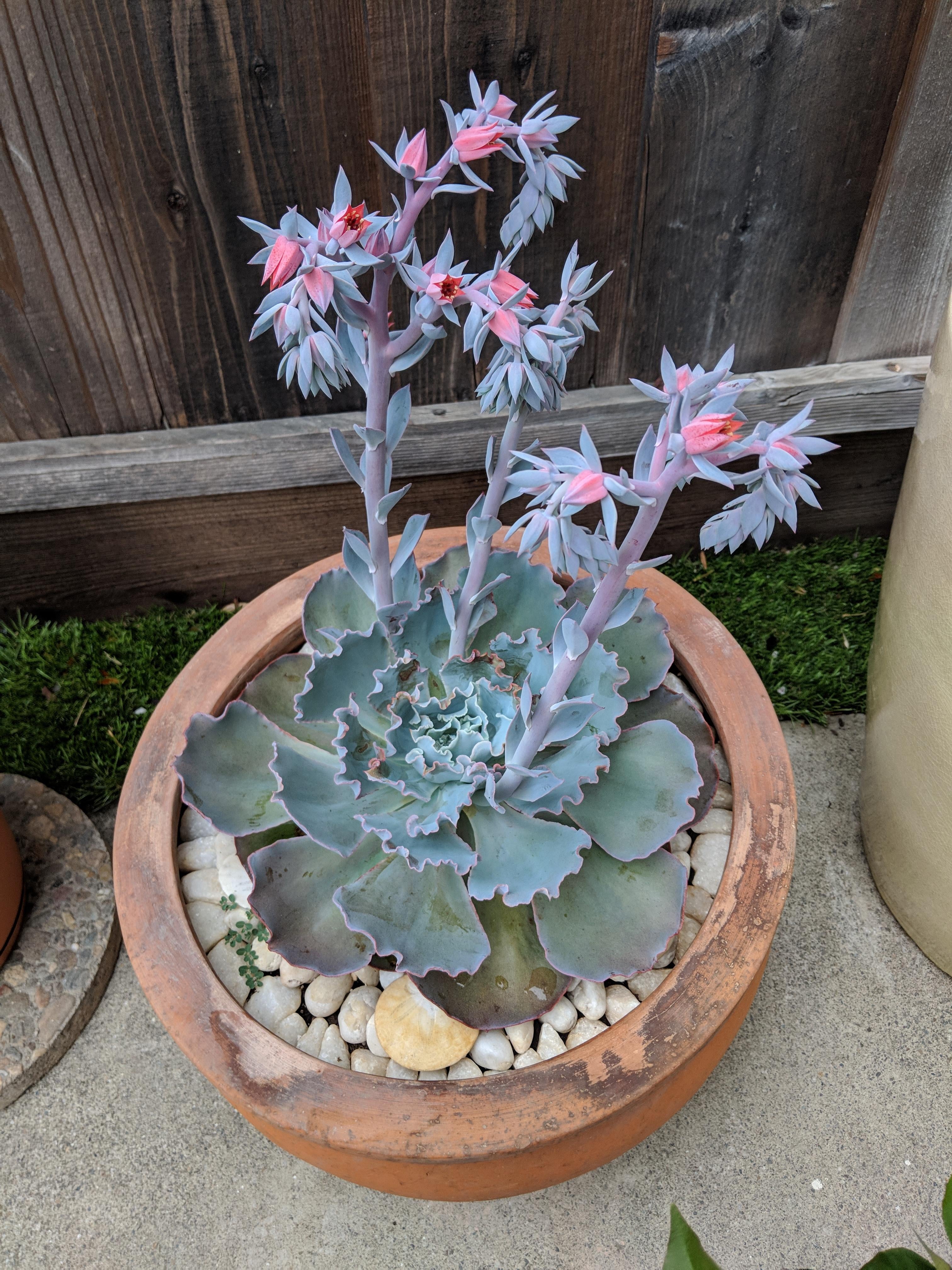
Soft blue-gray rosettes look stunning in light-colored pots. With the sun, the edges gain subtle pink highlights. I keep mine in sandy soil to avoid soggy roots.
Removing faded leaves keeps the rosette tidy. It rewards consistent sunlight with steady growth.
#24 Strings of Heart (Ceropegia Woodii Var)
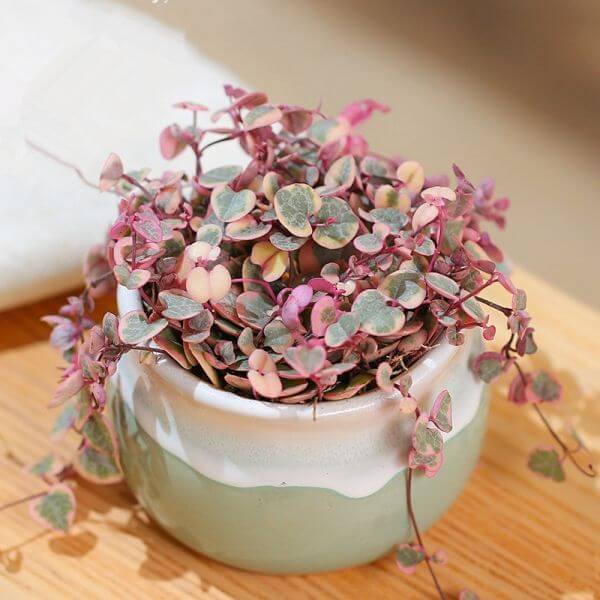
Trailing vines hold tiny heart-shaped leaves marbled with green and silver. Their delicate strands drape beautifully over shelves or hanging baskets.
Bright indirect light keeps them growing fast. I water lightly and allow the soil to dry completely before the next watering. Pinching vines encourages fuller growth.
#25 Santa Rita Prickly Pear (Opuntia “Santa Rita”)
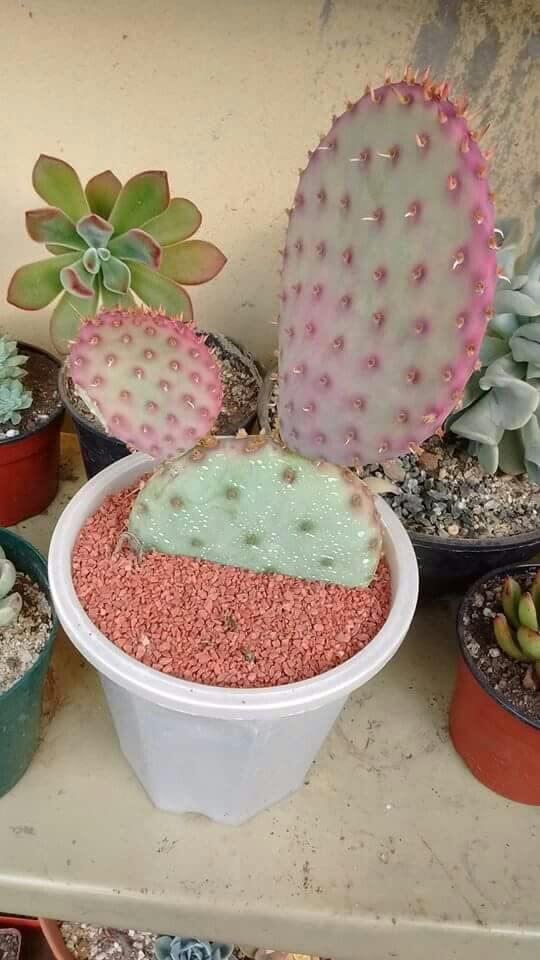
Purple pads give this prickly pear a painterly look, especially in cool weather. Upright growth makes it a bold accent for gardens.
Mine thrives outdoors in full sun, where its pads deepen in color. Deep, infrequent watering keeps it strong. Just remember to handle it with gloves.
#26 Job’s Beard (Sempervivum Heuffelii)
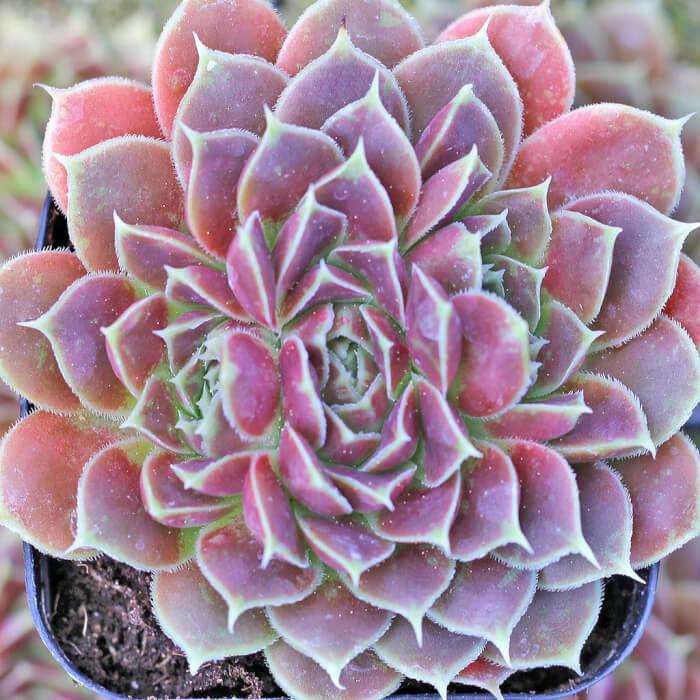
Rosettes shift from green to purple depending on the season and light. Full sun brings out its richest hues. I often plant mine in shallow stone troughs for a natural look.
Rainwater usually provides enough moisture, with only occasional extra watering in summer. It’s as hardy as it is colorful.
#27 Purple Heart (Tradescantia pallida ‘Purpurea’)
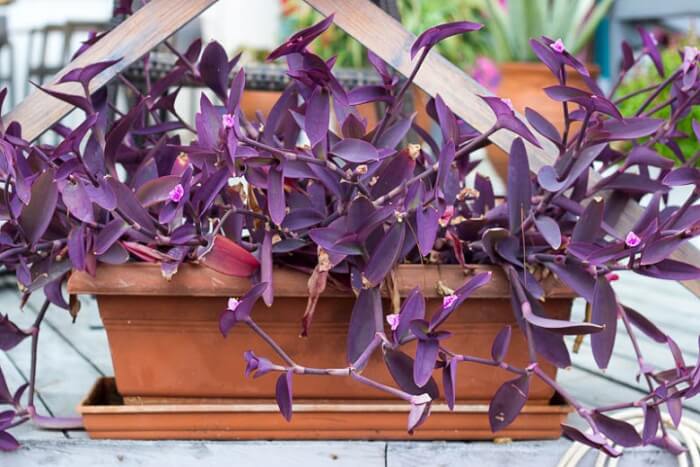
Rich purple leaves stretch along vigorous stems that grow quickly. Tiny purple flowers appear often, adding charm to the foliage.
A bright spot keeps its colors bold and vibrant. I trim mine often to prevent it from becoming too leggy. It’s one of the fastest ways to add a splash of color.
#28 Campfire Plant (Crassula Capitella)
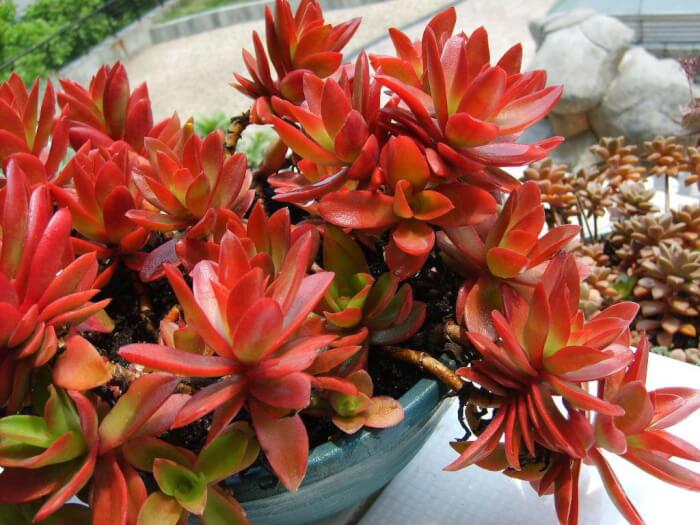
Pointed leaves glow orange and red like little flames when given enough sunlight. Clusters spread out, creating a fiery effect in containers.
Mine thrives outdoors in summer, then I bring it inside before frost. It prefers bright sun and sandy soil. Reduce watering in winter to avoid stress.
#29 Briar Rose Echeveria (Echeveria ‘Briar Rose’)
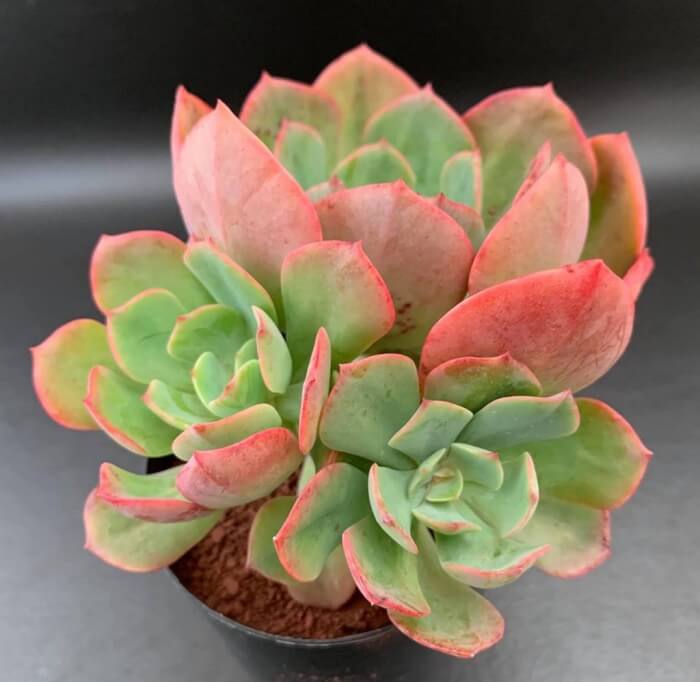
Soft green rosettes edged in pink turn brighter during winter. Compact growth makes it perfect for small pots or tabletop displays.
Place it in full sun for the best colors. Allow the soil to dry before watering again. Its delicate look hides how easy it is to care for.
#30 Woolly Senecio (Senecio Haworthii)
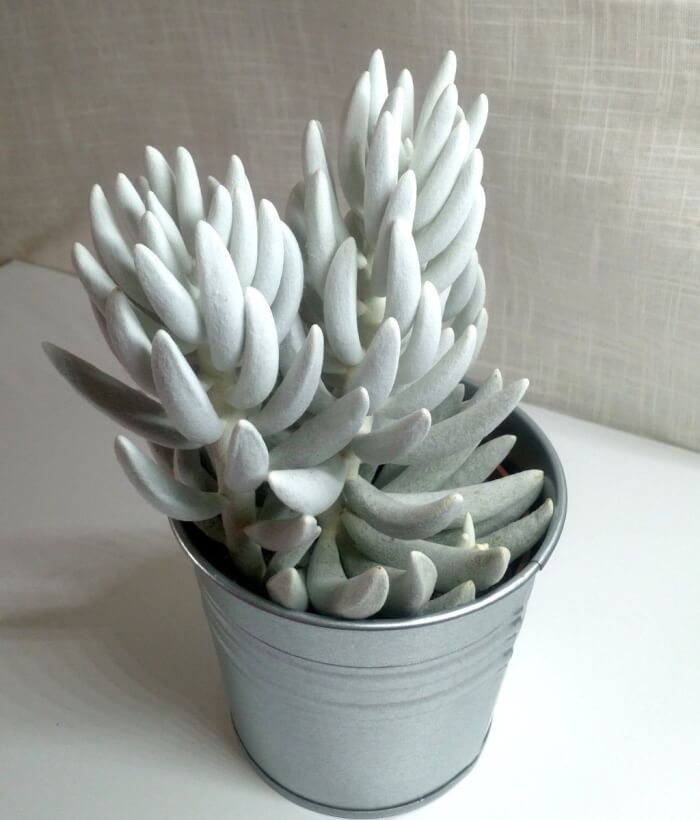
White hairs cover the slender leaves, giving this plant a frosted glow. The snowy look contrasts beautifully with colorful companions.
I grow mine in gritty soil that drains quickly. Full sunlight keeps it healthy, while minimal water prevents rot. It always draws attention for its unusual texture.
#31 Sticks on Fire (Euphorbia Tirucalli)
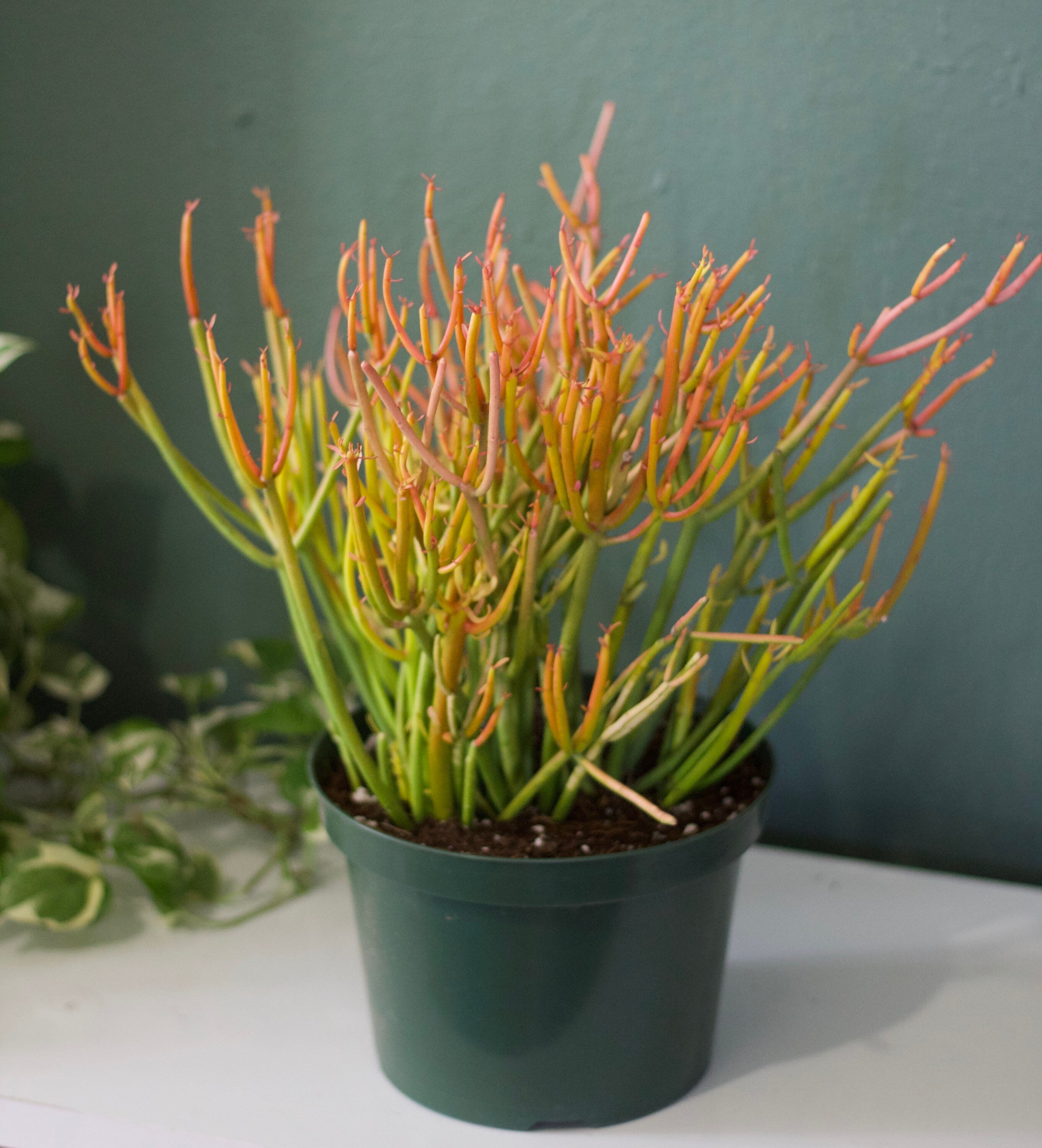
Thin upright stems shift between green, orange, and fiery red as light changes. The color is strongest in full sun, making it a standout patio plant.
I use a sturdy pot to anchor its height and sandy soil for quick drainage. Handle carefully, since the sap is toxic. Keep it out of reach of children and pets.
Final Care Tips for Colorful Succulents
Bringing out the brightest hues in succulents takes the right mix of light, soil, and watering. Six hours of direct or bright indirect sunlight often makes the difference between dull green and fiery reds.
I use the “soak and dry” method, deep watering followed by letting the soil dry out completely. This small stress helps intensify the colors without harming the plant.
Cooler night temperatures can also deepen tones, especially in varieties like paddle plant or echeveria. Rotate pots every few weeks so the color develops evenly across leaves.