
Houseplants bring life and freshness to any room, and the best part is you don’t need to buy new ones every time. Many popular houseplants can be propagated from cuttings, giving you free plants in just a few weeks.
This method is simple, fast, and beginner-friendly, making it a favorite among indoor gardeners. By snipping a stem or leaf from a healthy plant and giving it the right care, you can watch new roots form and growth take off.
It’s a rewarding way to expand your collection and even share plants with friends. Here are 8 houseplants you can start multiplying right at home.
#1 Geranium
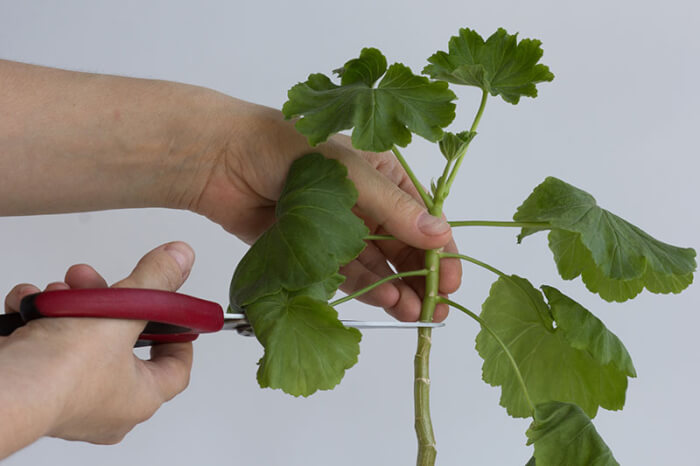
Geraniums are one of the easiest houseplants to propagate and root quickly in water. Take a 6-inch cutting from a healthy stem, removing the lower leaves. Place the cutting in a jar of clean water, ensuring no leaves touch the waterline.
Keep the jar in a bright spot but out of direct sun. Change the water every few days to prevent bacteria growth. Once roots are about 2 inches long, transfer the cutting into soil for long-term growth.
#2 Chinese Evergreen

Chinese Evergreens adapt beautifully to propagation when they become leggy. Use sharp scissors to take a tip cutting and plant it in a moist sand-and-soil mix. Mist the leaves often to help the cutting retain moisture until roots establish.
Place the pot in bright, indirect light for best results. Warmth and humidity speed up the rooting process, so consider covering the pot with a plastic bag for extra humidity. Within a few weeks, new growth should appear, signaling success.
#3 Dumb Cane

Dumb Cane can be propagated from both leafy tips and cane sections. First, cut off a healthy leafy top and let it dry for a day before potting it in soil. For the bare canes left behind, cut them into 3-inch segments.
Lay them horizontally in a tray filled with peat and compost to encourage root growth. Keep the soil moist and place the tray in a warm, bright spot.
Over time, new shoots will sprout from the cane pieces, giving you several new plants from one parent.
#4 Begonia
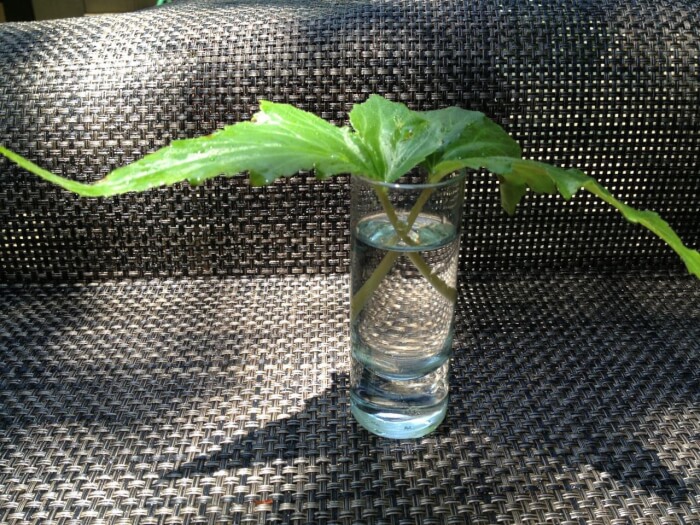
Begonias are unique because even small pieces can root successfully. Take a cutting about 1 inch long and press it gently into moist potting mix. Place the container in a warm, humid area with indirect sunlight.
Covering the pot with a clear plastic lid or bag can help maintain moisture. Water lightly to keep the soil damp but not soggy. In just a few weeks, you’ll notice tiny new leaves forming at the base, showing your cutting has taken root.
#5 Philodendrons
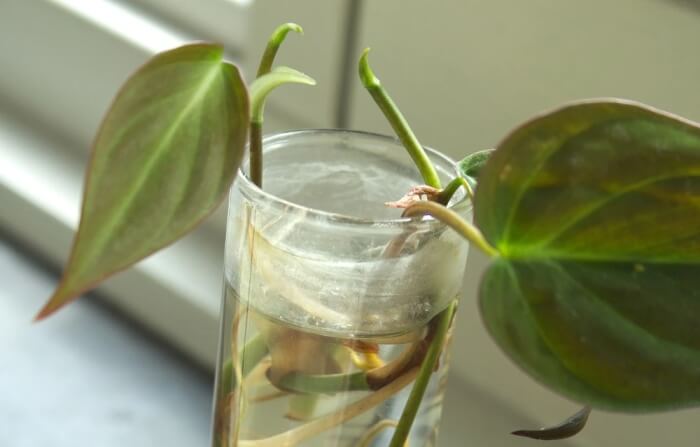
Philodendrons are popular indoor vines that root very easily from cuttings. Snip a stem with 2–3 nodes and place it in water or directly in soil. Make sure at least one node is submerged or buried, as this is where roots develop.
Keep the cutting in a spot with bright, indirect light. If rooting in water, change the water weekly to keep it fresh. Once roots are a few inches long, transplant into soil for a fast-growing new plant.
#6 Fragrant Corn Plant

The Fragrant Corn Plant, or Dracaena, can be propagated much like dumb cane. Cut a healthy stem tip or divide the cane into sections a few inches long. Insert the cuttings into moist potting soil and keep them in indirect sunlight.
Mist the leaves occasionally to prevent drying. Patience is key, as Dracaenas root more slowly than some plants. Once new growth emerges, you’ll know the cutting has established itself.
#7 Jade Plant
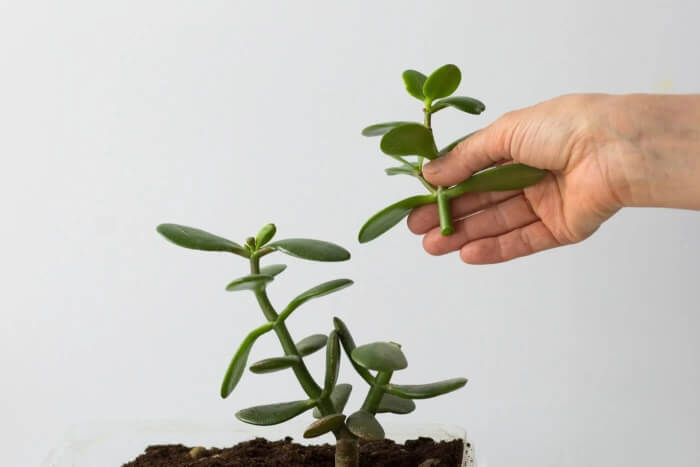
Jade Plants are succulents that propagate well from cuttings, though they require drying time. Cut a 3–4 inch branch and let it sit for a couple of days until the cut end forms a callus.
Plant the dried cutting in a pot filled with sandy, well-draining soil. Water sparingly at first, since too much moisture can cause rot.
Place the pot in a sunny location for best results. Within a few weeks, new roots will grow, and your jade cutting will begin to thrive.
#8 African Violets
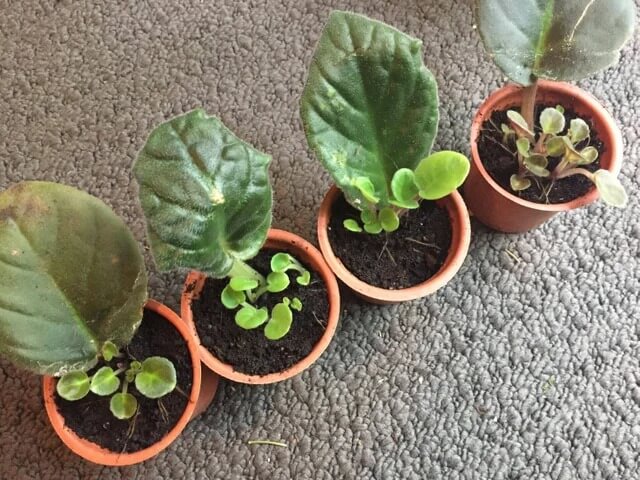
African Violets can be propagated from individual leaves, making them perfect for beginners. Cut a healthy leaf with a 2–3 inch stalk attached. Insert the stalk into a small pot filled with moist compost and sand at a slight angle.
Keep the pot warm and in bright, indirect light. Covering it with a plastic dome can help maintain humidity. Within a few weeks, baby plants will start sprouting at the base of the leaf, ready to be separated and grown on their own.