
Moist soil can feel tricky to work with, but it opens the door to growing some truly stunning plants. By choosing species that enjoy damp conditions, you can turn wet areas into vibrant, healthy garden spots.
These plants are naturally adapted to moisture and will reward you with lush foliage, colorful blooms, and strong growth. Many also attract pollinators, adding even more life to your space.
With the right choices, soggy soil becomes a strength instead of a challenge. Here are ten great plants that will flourish in moisture-rich areas of your garden.
#1 Japanese Painted Fern
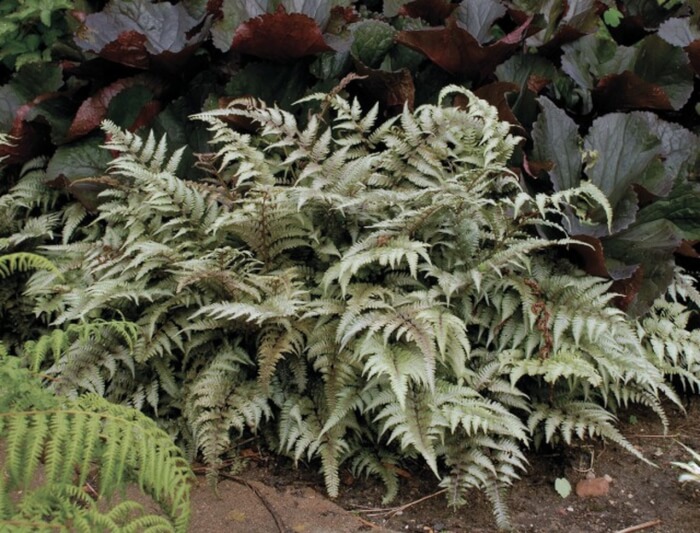
The Japanese Painted Fern brings an elegant touch with its silvery fronds brushed with hints of blue and red. It handles cold well and grows even in zone 3 with compost-rich soil.
Plant it in partial shade to keep its colors vibrant. Keep the soil evenly moist for the best growth. The soft texture makes it perfect for pairing with bold-leaved plants in shady borders.
#2 Lily of the Valley
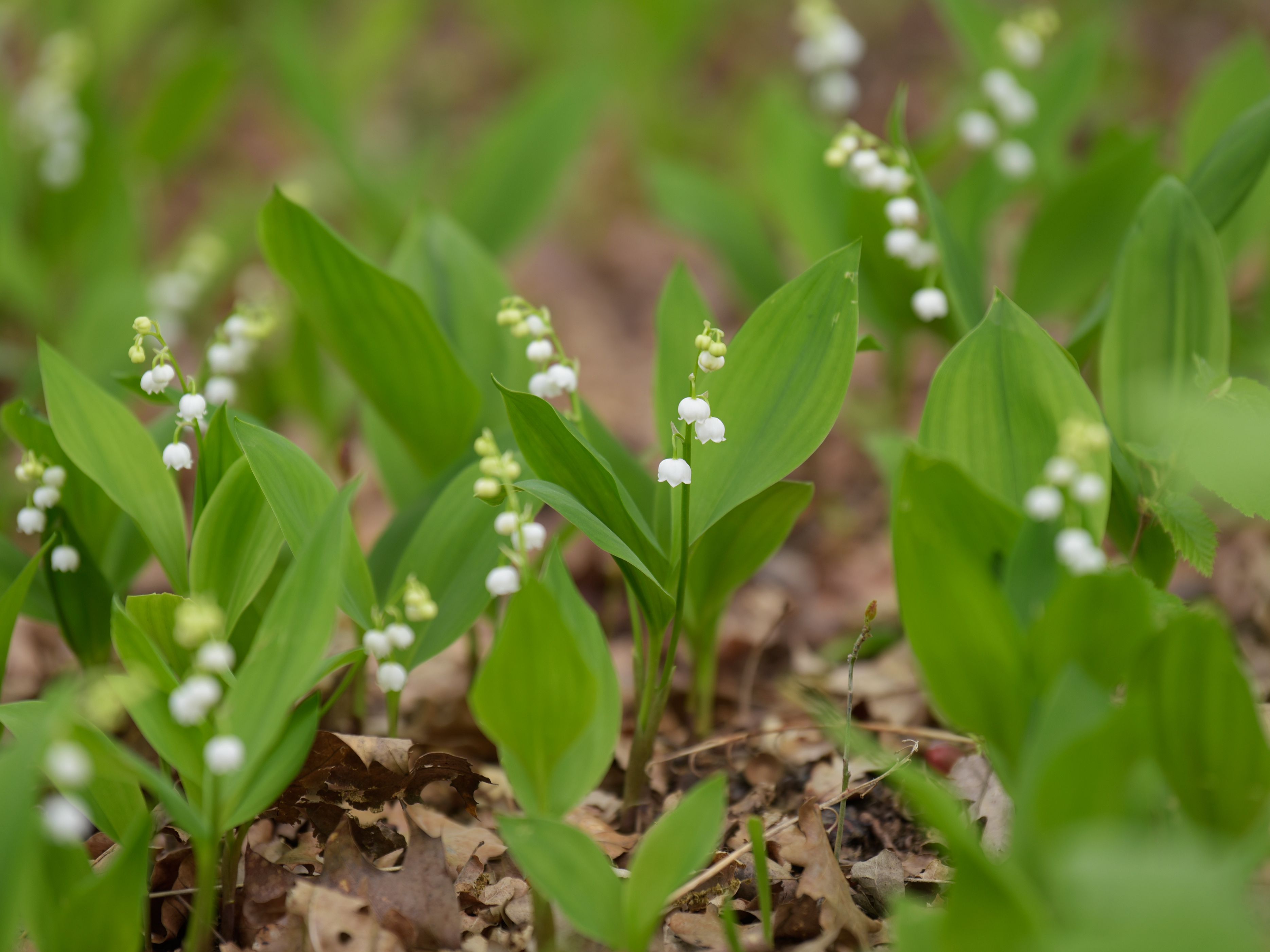
Lily of the Valley charms with fragrant white bells that bloom in spring. It thrives in zones 2 to 9 and prefers cool, moist soil. Plant the rhizomes in a shaded or partially shaded spot for the best flowering.
Once established, it spreads to create a lush ground cover. The sweet scent makes it a lovely choice for areas near paths or patios.
#3 Indian Grass
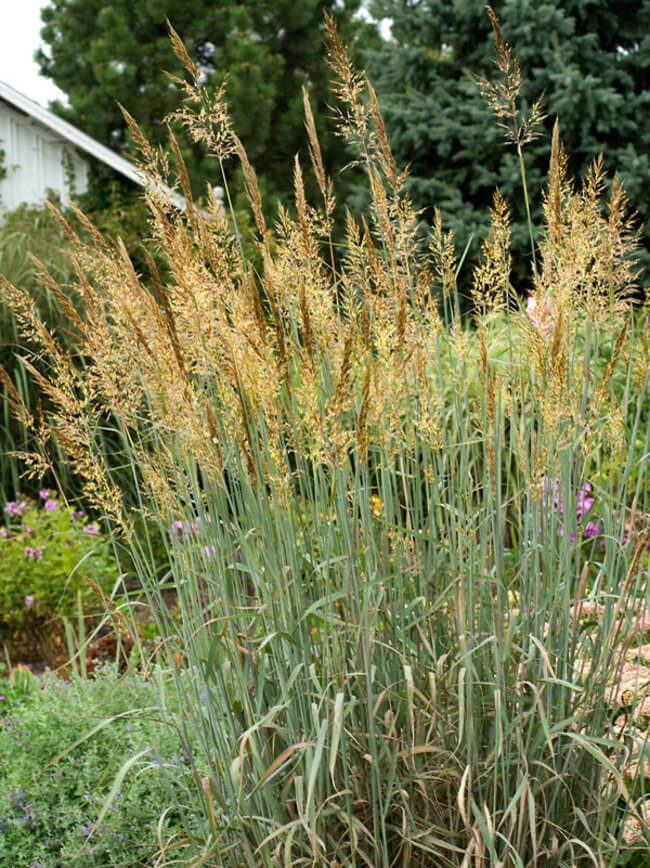
Indian Grass adds movement and golden color to the garden with its tall, airy plumes. It grows in zones 3 to 10 and enjoys moist soil near ponds or low spots.
Full sun will keep the stems upright and the colors bright. Water regularly in dry spells to keep the plant looking fresh. It pairs beautifully with other moisture-loving ornamental grasses.
#4 Sweet Woodruff
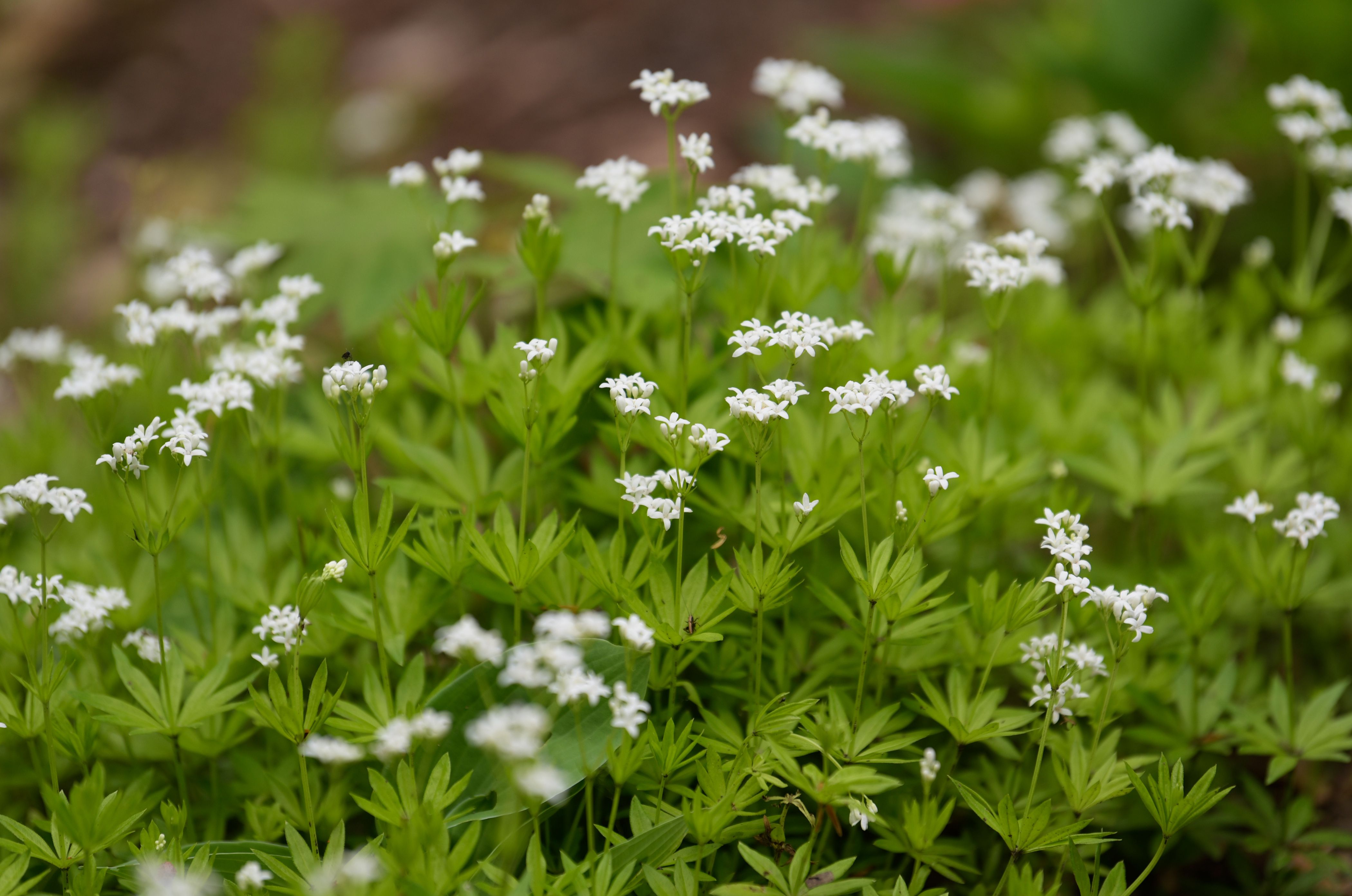
Sweet Woodruff forms a carpet of green, lace-like foliage topped with tiny white flowers in spring. It likes moist, well-drained soil and partial shade.
Plant it under trees or along shaded pathways where it can spread naturally. Keep the soil damp during hot weather to prevent stress. This plant adds both texture and fragrance to garden beds.
#5 Day Lilly
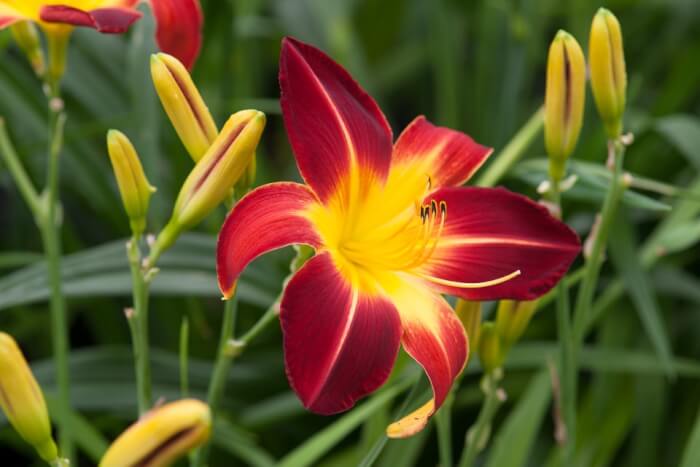
Daylilies brighten the garden with blooms in a wide range of colors and heights. They adapt well to moist soil and tolerate various conditions.
Plant them in sunny spots for maximum flowering. Fertilize in spring and add mulch to keep roots cool and retain moisture. Their low-maintenance nature makes them a great choice for beginners.
#6 Hardy Hibiscus
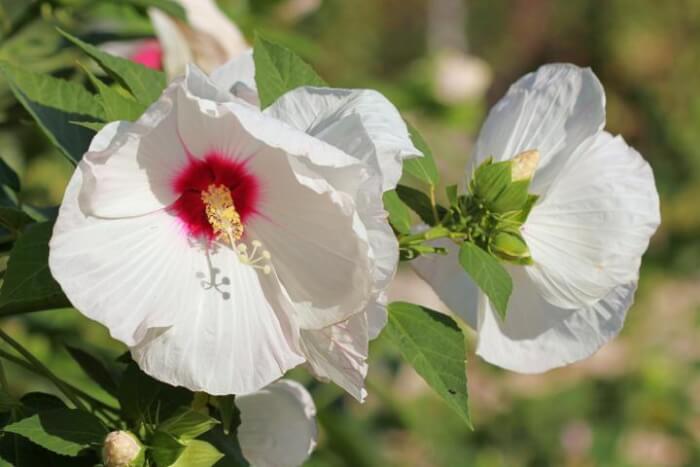
Hardy Hibiscus offers large, tropical-looking blooms in summer. It grows well in zones 4 to 11 and needs consistent moisture.
Plant in full sun to encourage more flowers. Water regularly and feed with a balanced fertilizer during the growing season. The bold flowers make it a striking focal point near water features.
#7 Siberian Iris
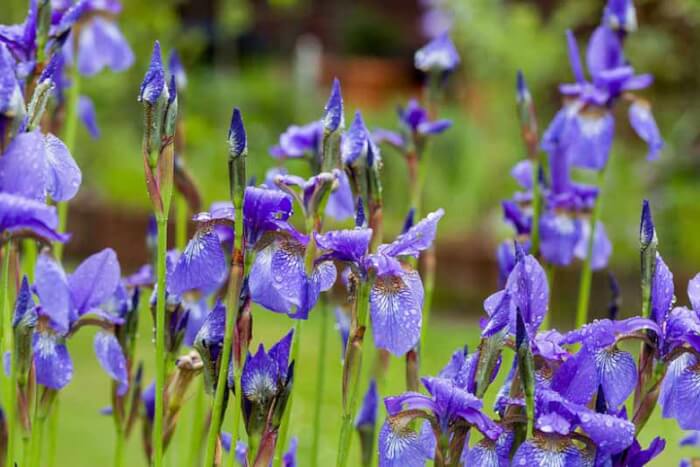
Siberian Iris produces graceful stems topped with blooms in shades of purple, white, or magenta. It enjoys moist soil and full sun for the best display.
Fertilize in spring to support strong growth and vivid colors. This iris is easy to grow and can handle occasional flooding. It works well along pond edges or in damp borders.
#8 Trumpet Vine
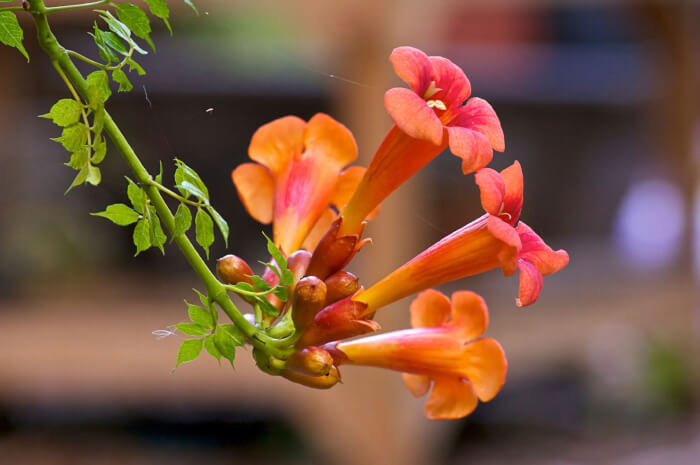
Trumpet Vine delivers bright, tubular flowers that attract hummingbirds. It likes moist soil and full sun for abundant blooms.
Plant near a strong support like a trellis or fence, as it grows vigorously. Water regularly in dry periods to keep it healthy. Prune after flowering to control its size and encourage new growth.
#9 Silky Dogwood
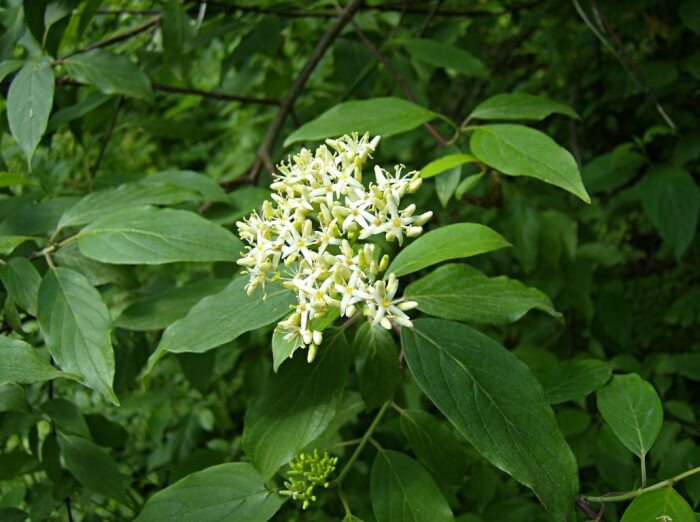
Silky Dogwood offers clusters of yellow flowers in late spring followed by blue fruit. It grows well in moist soil and tolerates both sun and partial shade.
Plant it where it has room to spread naturally. Prune in winter to maintain a tidy shape. In autumn, the leaves turn red, adding another season of color.
#10 Cattails
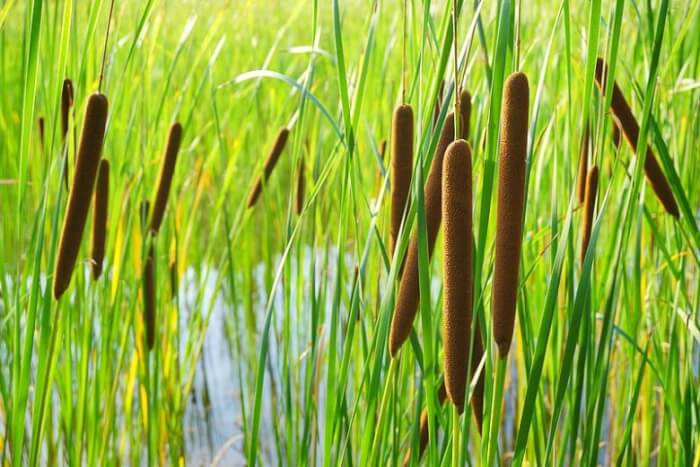
Cattails stand tall with their signature brown flower spikes and green leaves. They thrive in very moist soil or shallow water. Plant them near ponds or marshy areas where they can grow freely.
Provide full sun for the tallest, healthiest growth. They create habitat for wildlife and add a bold vertical element to the landscape.