
Bare patches of soil can quickly wash away with rain, but the right plants will hold the ground in place while keeping your garden looking vibrant.
Instead of relying only on stone walls or mulch, you can use living groundcovers and shrubs that strengthen the soil naturally. They not only protect your garden from erosion but also bring color, texture, and wildlife interest.
By planting erosion-controlling varieties, you’ll improve the structure of your soil and make your outdoor space more resilient.
These plants also reduce weeds, lock in moisture, and provide food or shelter for pollinators and birds. With just a little care, you’ll have a landscape that’s both practical and beautiful.
#1 Black Mondo Grass
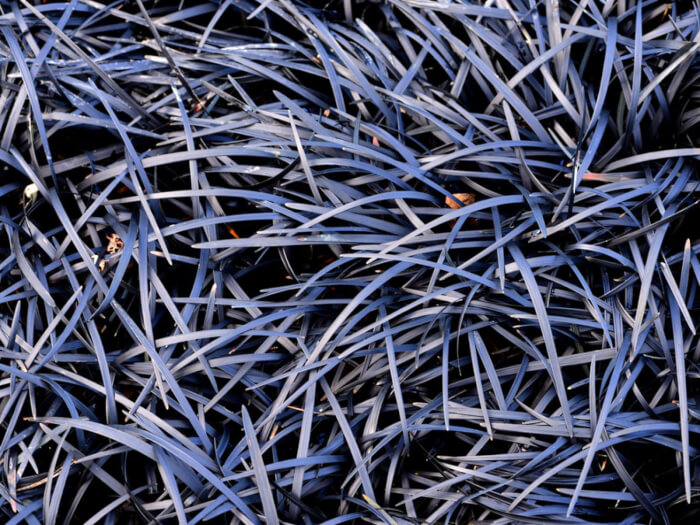
Black Mondo Grass is a striking option with deep purple-black leaves that form dense clumps. In summer, it adds contrast with small, bell-shaped flowers in white and lilac tones.
Later, glossy dark berries appear for extra interest. Plant it in well-drained soil and give it partial shade for best growth. Divide clumps every few years to keep the patch thick and healthy.
#2 Shrubby St. John’s wort (Hypericum prolificum)
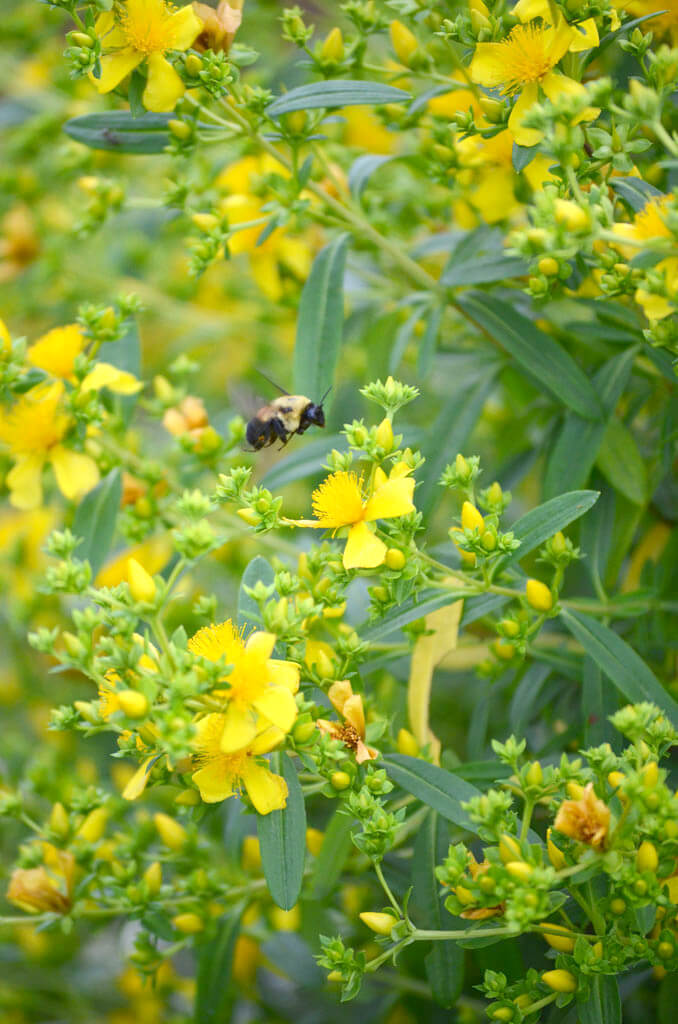
Shrubby St. John’s Wort is a tough shrub that lights up the garden with clusters of golden-yellow blooms in midsummer. Birds are drawn to its seeds, adding movement and life to your yard.
It grows well in light shade and adapts easily to poor soil. Water young plants until established, then it can handle drier conditions. Prune in early spring to encourage more flowers.
#3 Spotted Dead Nettle
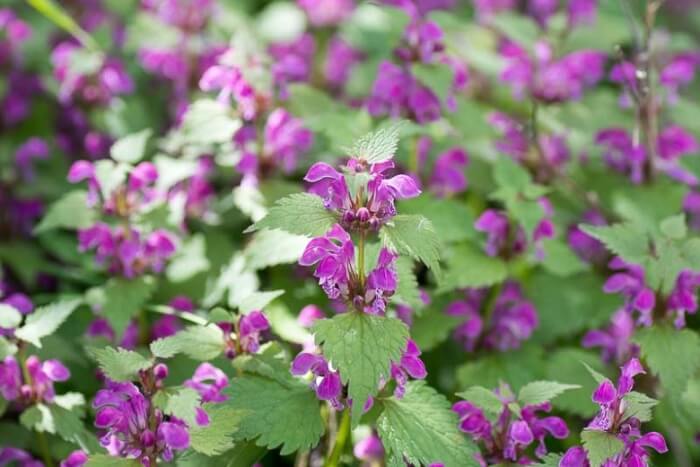
Spotted Dead Nettle makes an excellent groundcover with silvery foliage and purple-red blossoms. It spreads quickly, forming a dense mat that shields soil from erosion.
This plant enjoys shady spots where grass struggles. Water lightly once or twice a week, and cut it back after flowering to keep the growth tidy. It pairs beautifully with ferns and hostas in shaded borders.
#4 Ostrich fern
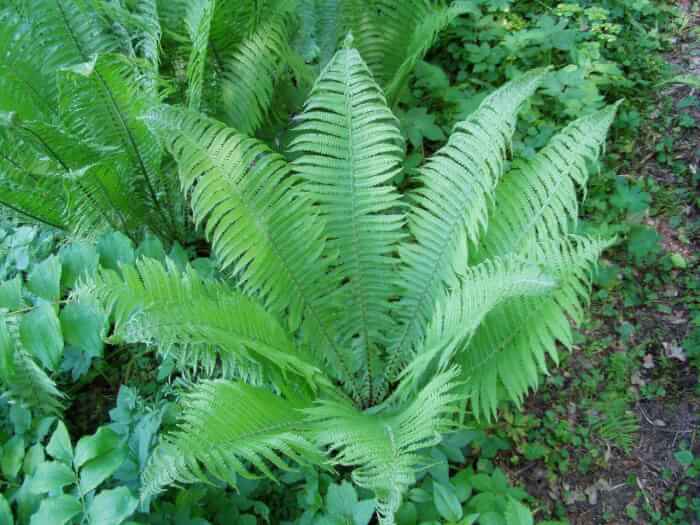
Ostrich Fern creates dramatic texture with tall, feathery fronds that resemble the feathers of an ostrich. It spreads steadily and works well for filling large, damp areas where erosion is common.
Give it rich soil with consistent moisture to thrive. Cut back dead fronds in late fall to prepare for fresh spring growth. If you have room, let it form a colony for a lush woodland feel.
#5 Japanese Spurge
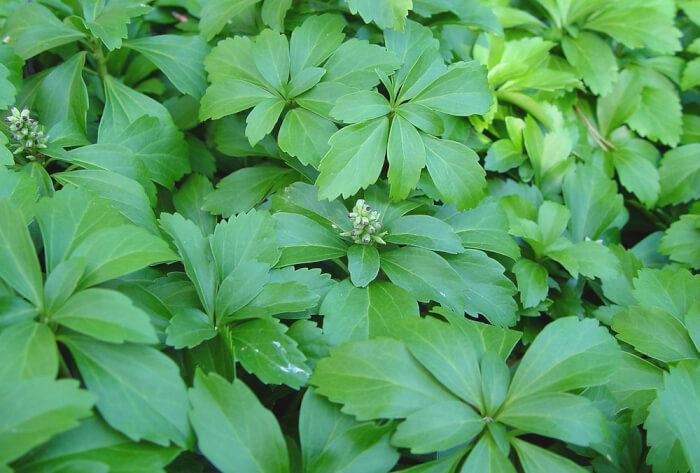
Japanese Spurge is a low, evergreen groundcover that carpets the soil with glossy green leaves. In spring, it produces clusters of tiny white flowers that brighten shady corners.
It’s especially useful for erosion on slopes where grass won’t grow. Plant it in fertile, moist soil and water regularly until well-rooted. Trim back runners to guide its spread.
#6 Cotoneaster

Cotoneaster is a versatile shrub with small flowers in spring and bright red berries in summer. Birds flock to the fruit, making it both functional and attractive.
It can range from low-growing groundcovers to taller shrubs, depending on the variety. Choose a sunny location with well-drained soil for best results. Light pruning will help maintain its shape and prevent it from spreading too wide.
#7 Forsythia
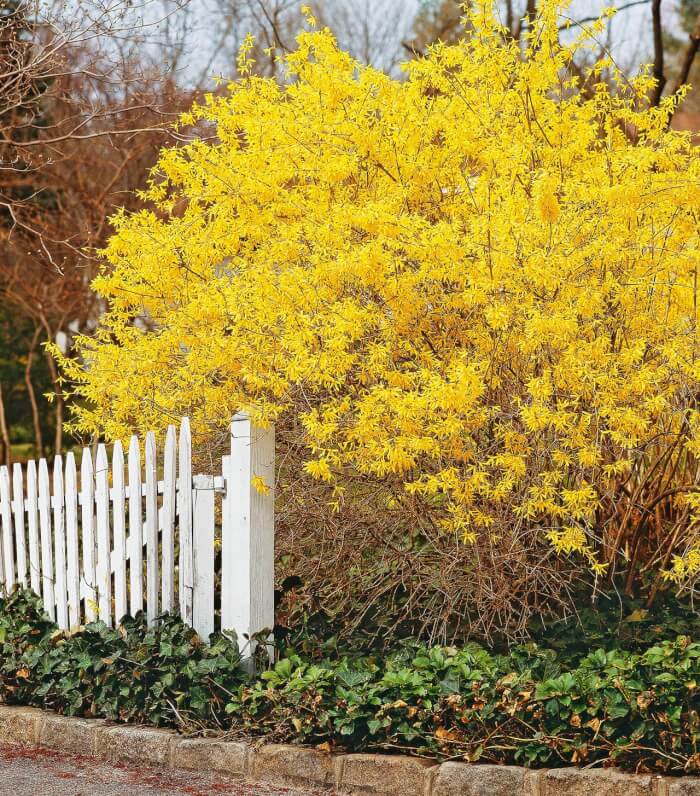
Forsythia announces spring with an explosion of yellow blossoms on bare stems. Its fast growth and strong root system make it a reliable choice for erosion-prone areas.
Once the flowers fade, green foliage keeps the plant full throughout summer. Plant in a sunny position and water regularly during dry spells. Prune right after flowering to shape the plant and encourage more blooms next year.
#8 Rockspray Cotoneaster
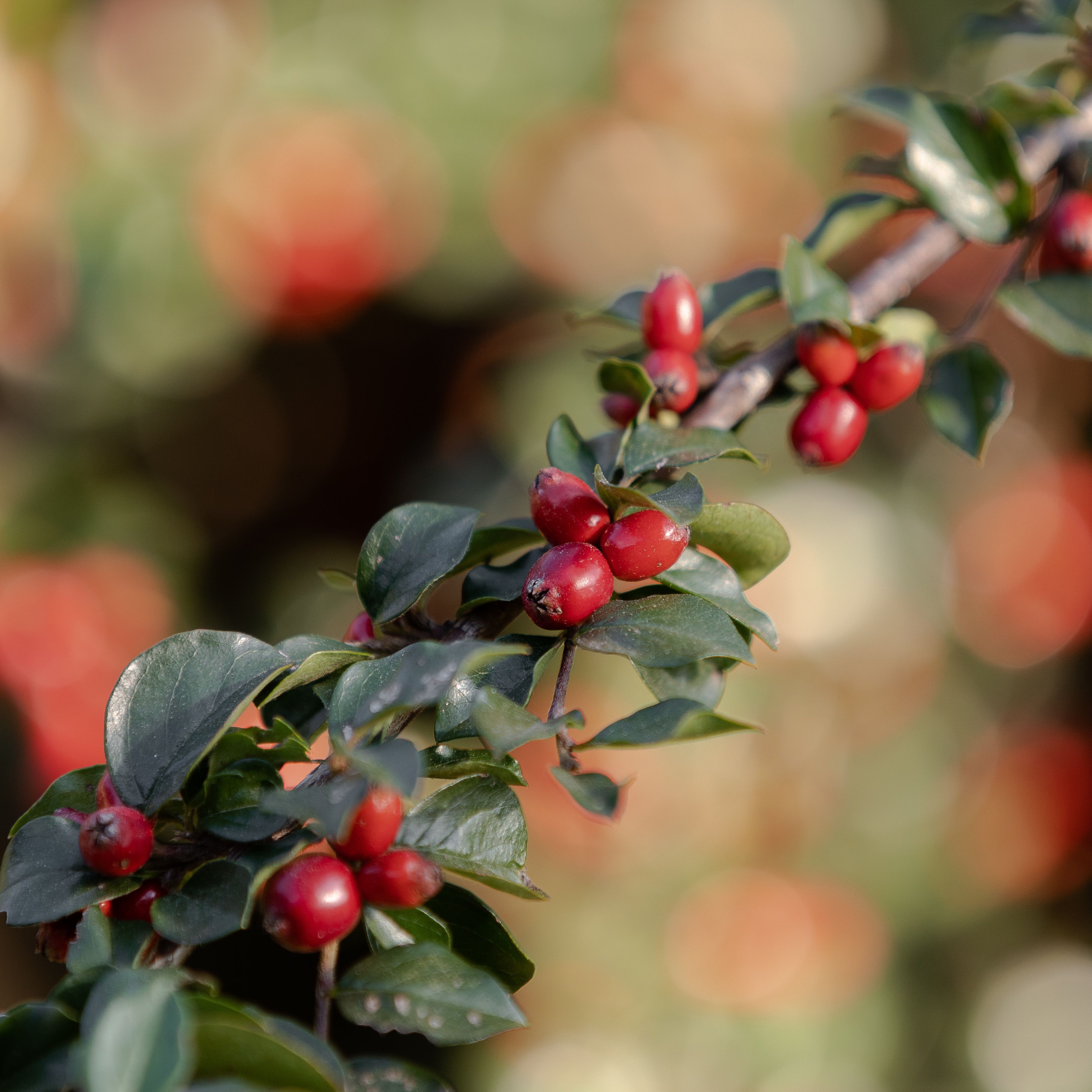
Rockspray Cotoneaster has a graceful, arching habit and creates a colorful show with red berries against green leaves. In autumn, the foliage shifts to shades of purple and red for seasonal interest.
It thrives in full sun and grows well on slopes, where it helps stabilize the soil. Keep it watered during hot spells, especially when young. Prune lightly in winter to maintain its shape.
#9 Creeping Phlox (Phlox subulata)
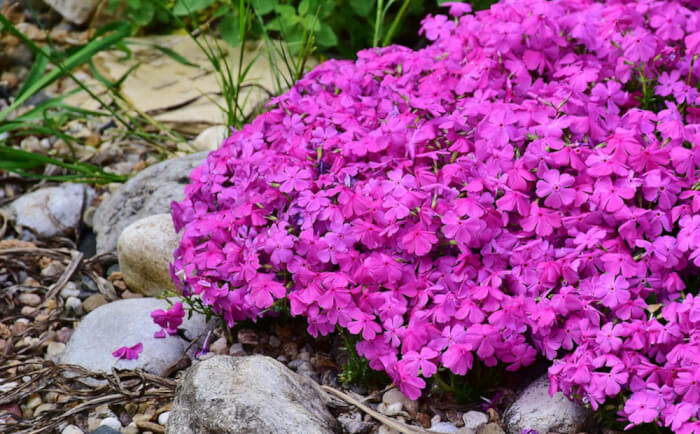
Creeping Phlox forms a low carpet of color in spring with its starry blooms in pink, purple, or white. It spreads across rocky or sandy soil, making it a great solution for erosion on slopes or borders.
This plant loves full sun and good drainage. Trim back spent flowers to encourage fresh growth. Divide clumps every few years to keep them dense and vibrant.
#10 Creeping Myrtle
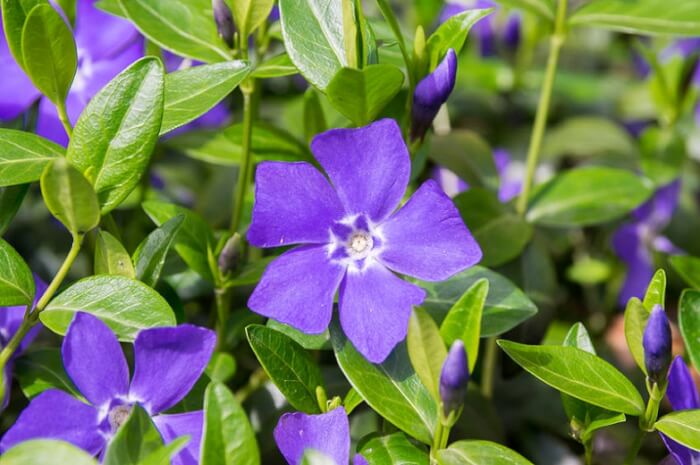
Creeping Myrtle, also called Vinca minor, is a hardy groundcover with shiny green leaves and violet-blue flowers in spring. It grows quickly, covering soil and holding it firmly in place.
Plant it in sun or partial shade and water regularly in its first year. After it’s established, it needs little attention. Clip back runners if you want to keep it from spreading too far.