
The best sweet potato varieties are not only easy to grow but also provide an abundance of nutrients and flavor for your kitchen.
Packed with fiber, vitamin C, potassium, and beta carotene, sweet potatoes are a wholesome addition to any garden. Their resilience makes them a perfect crop for beginners, while their vibrant colors and diverse flavors appeal to seasoned gardeners.
With so many sweet potato types cultivated worldwide, it can be tricky to know which to choose. Each variety brings something unique to the table, from creamy textures to striking purple hues.
If you want a rewarding crop that brightens both your garden beds and your dinner plates, these eight sweet potato varieties will not disappoint.
#1 Jewel
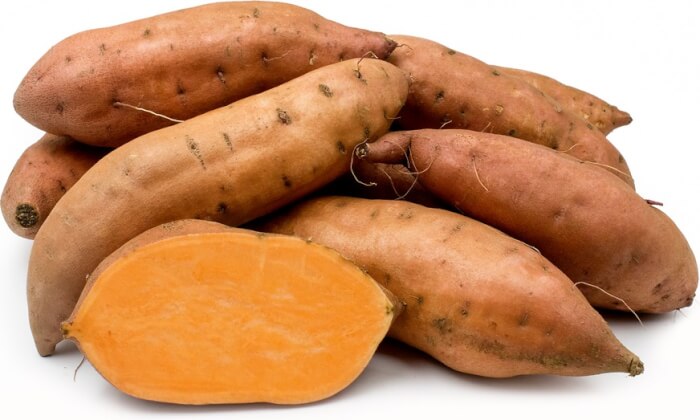
Jewel, often called the “Queen” of sweet potatoes, is prized for its consistency and generous harvest. The tubers are short and plump, making them easy to handle in the kitchen.
Grow this variety in full sun with well-drained, sandy soil for best results. Water regularly, but allow the soil to dry slightly between waterings to prevent rot.
A single plant can yield several sweet potatoes, rewarding your effort with plenty to enjoy. Jewel’s smooth texture makes it ideal for mashing or roasting.
#2 Garnet
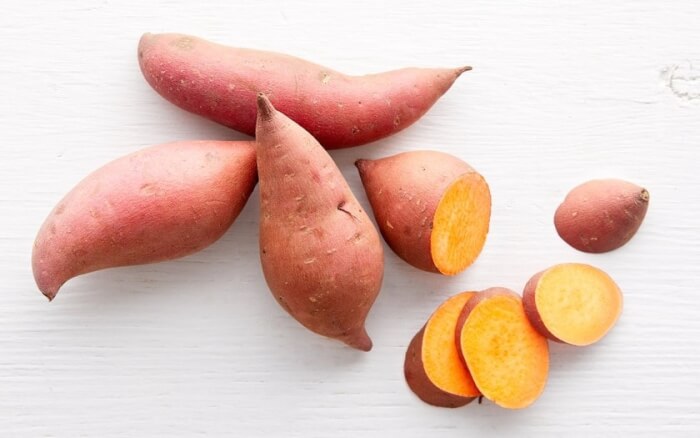
Garnet sweet potatoes are loved for their rich reddish-orange skin paired with deep orange flesh. This variety is slightly moister than others, which gives it a naturally sweet flavor when baked.
Provide them with warm soil and steady watering to keep growth healthy. Harvest when the vines begin to yellow, usually around 110 days after planting.
Their vibrant flesh adds color to soups, pies, or side dishes. If you enjoy sweeter sweet potatoes, Garnet is a top pick.
#3 Stokes
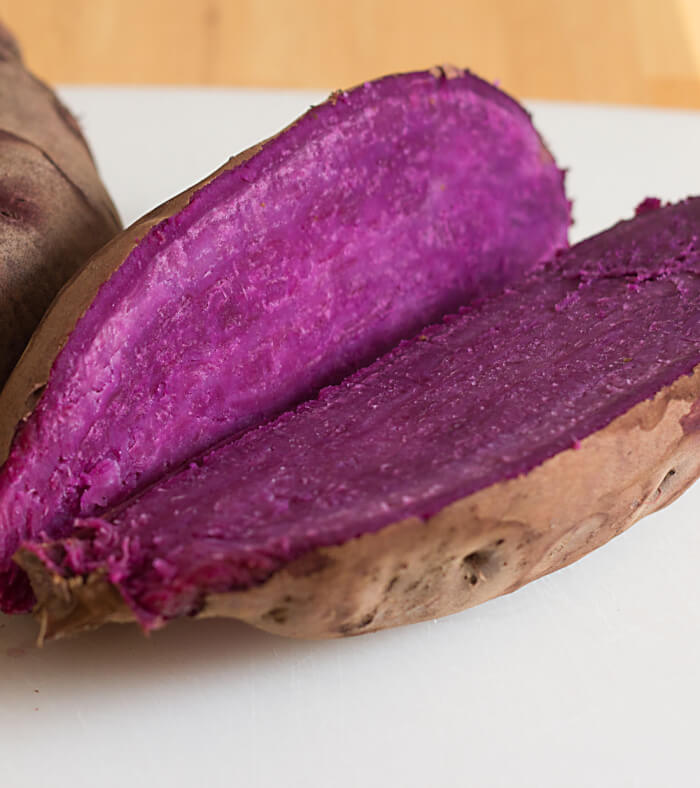
Stokes stands out with its brilliant purple skin and flesh that holds its color even after cooking. The earthy-sweet flavor and starchy texture make it versatile in both savory and sweet recipes.
Plant it in fertile, loose soil enriched with compost to encourage long tubers. It prefers warm, sunny conditions and moderate watering.
Once cooked, Stokes’ sweet potatoes turn meals into colorful creations. Their striking appearance makes them perfect for creative home cooks.
#4 Beauregard
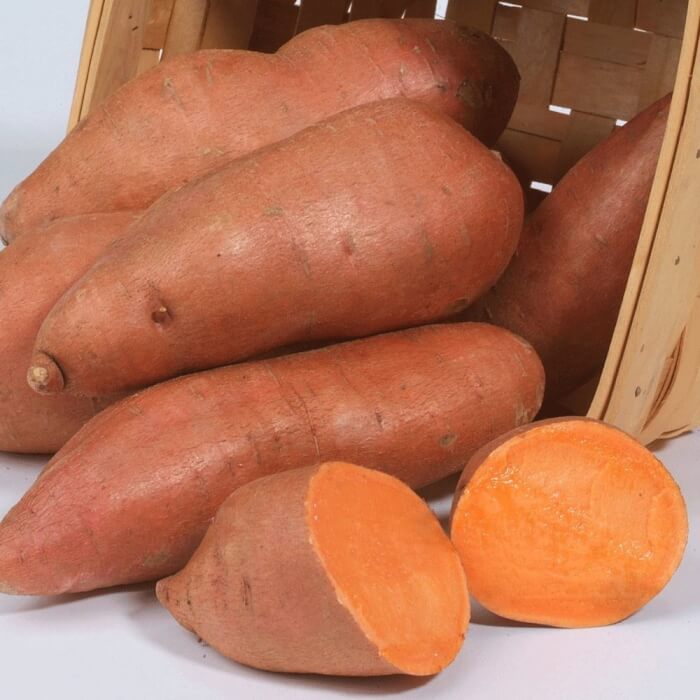
Beauregard is one of the most widely grown sweet potato varieties thanks to its high yields and disease resistance. It produces long, tapered tubers with smooth reddish skin and bright orange flesh.
This variety adapts well to different climates and soil types, making it a reliable choice. Give the vines room to spread, as they can grow quite large.
Harvest in about 100 days for plump, uniform roots. Beauregard’s sweetness makes it perfect for casseroles and fries.
#5 Okinawan
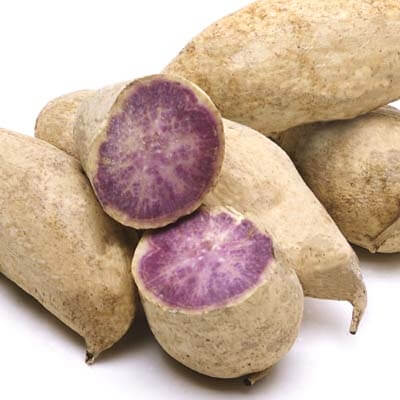
The Okinawan sweet potato is easily recognized by its beige skin and striking purple interior. Native to Japan, it has a mildly sweet, nutty taste and creamy texture when cooked.
Plant it in nutrient-rich soil, water frequently in hot weather, and keep it in sunny conditions for optimal growth. Its flesh becomes an even deeper purple when roasted or steamed.
These potatoes are as beautiful as they are delicious. Adding Okinawan to your garden brings both nutrition and novelty.
#6 Japanese
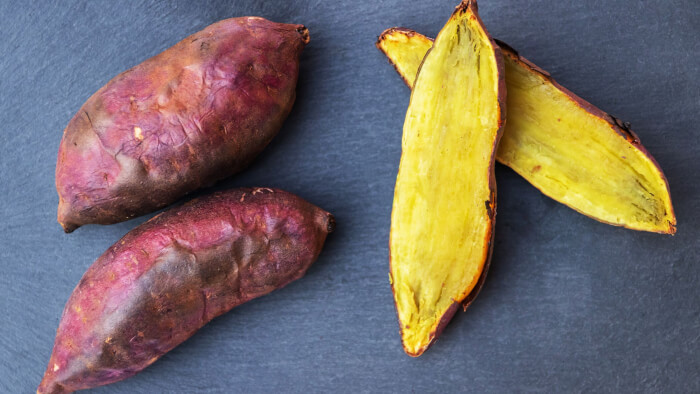
Japanese sweet potatoes have reddish-purple skin and white flesh that turns golden when cooked. Their flavor is rich and nutty, slightly drier than orange varieties, which makes them perfect for roasting.
Grow them in loose, sandy soil where the roots can expand freely. They require full sun and steady moisture during the growing season.
Harvest once the vines begin to die back. These potatoes are often enjoyed roasted whole as a warming snack.
#7 Georgia Jet
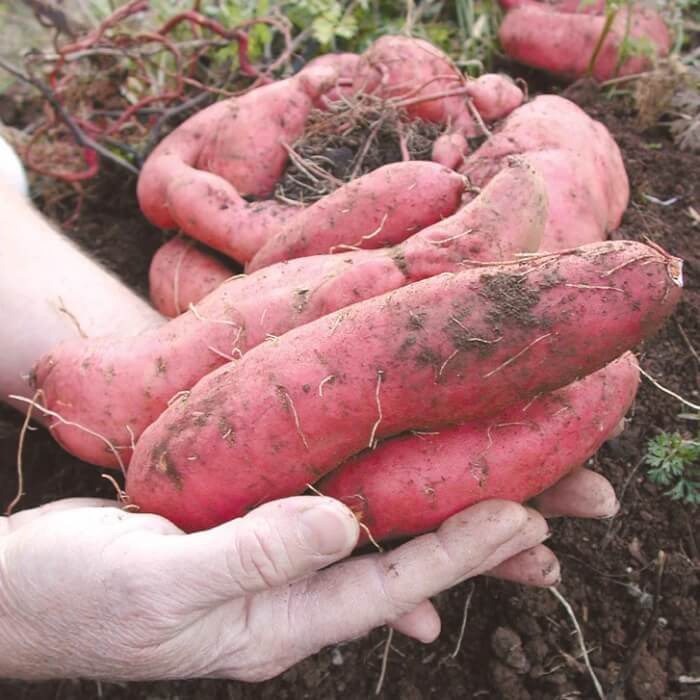
Georgia Jet is valued for its fast maturity, ready to harvest in as little as 90 days. This makes it an excellent option for gardeners in cooler northern climates. The plant produces large, plump tubers with moist, orange flesh.
Give it full sun exposure and soil that drains well to avoid rot. Its vines can grow up to 40 inches long, so space them properly. If you want a quick harvest without sacrificing flavor, Georgia Jet delivers.
#8 Hannah
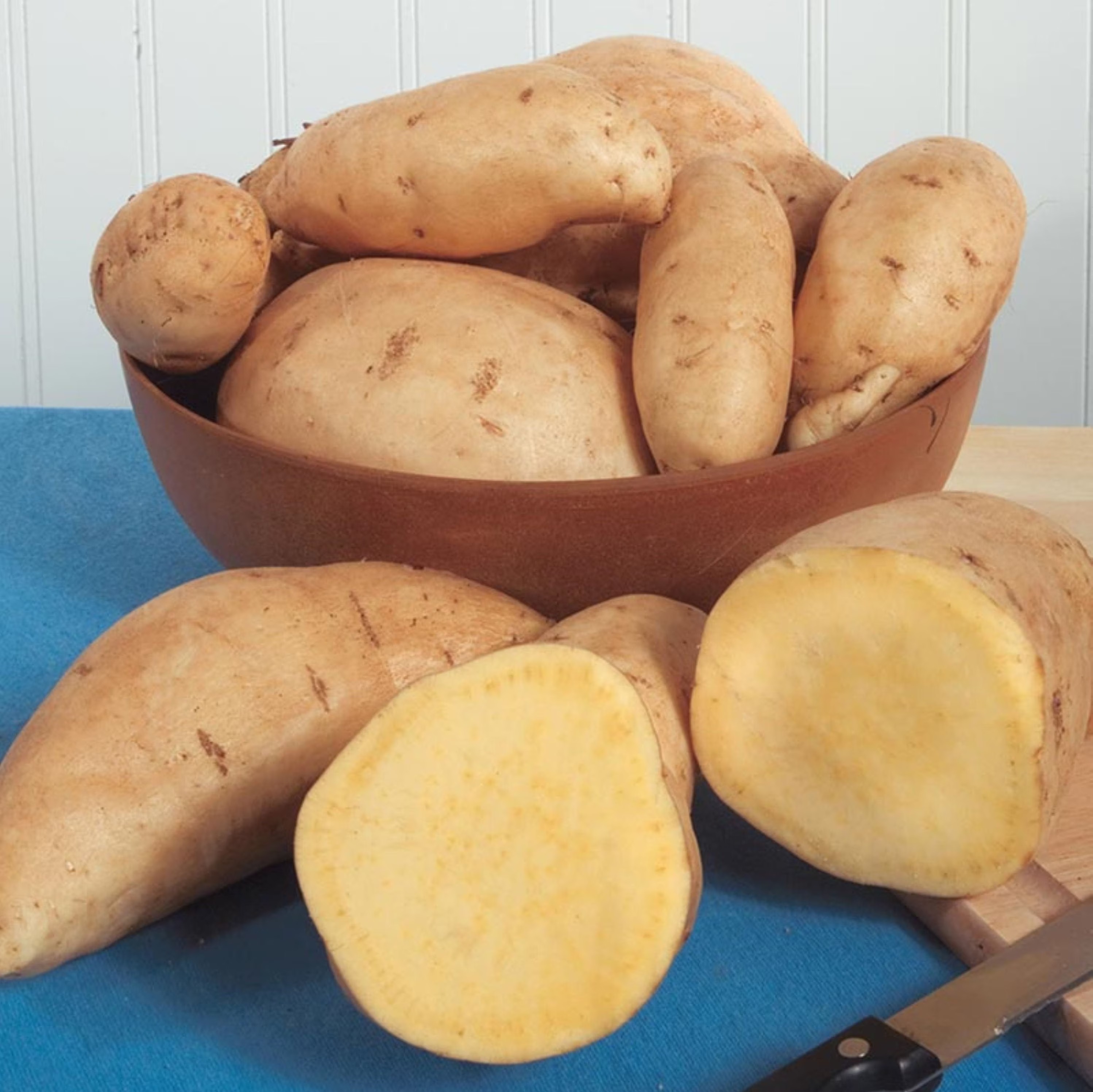
Hannah, sometimes called “Yellow Hannah” or “Sweet Hannah,” is known for its creamy tan skin and pale yellow flesh. Unlike many sweet varieties, Hannah has a mild, slightly starchy taste closer to a white potato.
Plant it in warm climates with well-drained soil for best results. Water consistently to support its growth, but avoid soggy conditions.
Harvest when the tubers are firm and smooth. Its versatility makes it excellent for baking, mashing, or even roasting with herbs.