
The best perennial flowers to cut back in fall are the ones that return stronger when given proper care before winter.
Cutting them down not only keeps your garden tidy but also protects plants from pests and diseases that could linger through the cold season. By trimming at the right time, you encourage healthier regrowth and more blooms next year.
Some perennials decline quickly after frost, while others can harbor fungi and insects if left untouched. A little pruning now saves you bigger headaches in spring.
Here are 10 perennials that truly benefit from a fall cutback and simple tips to do it right.
#1 Peonies
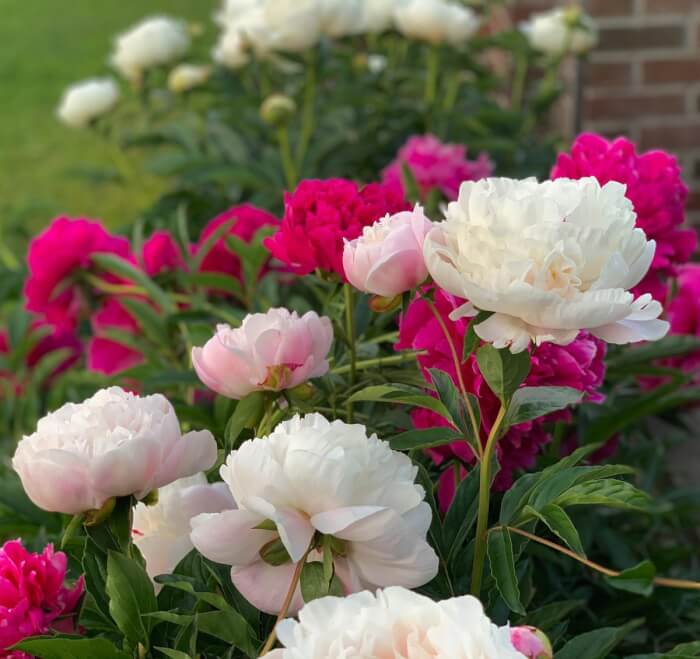
Peonies should be cut back in fall because their dead foliage becomes messy and disease-prone. This plant is highly susceptible to fungal issues like powdery mildew and botrytis.
Trim all stems and leaves down to ground level once frost blackens them. Discard the debris instead of composting to prevent reinfection.
By removing old foliage, you give your peonies a clean start in spring. Healthy cutbacks mean more reliable blooms year after year.
#2 Summer Phlox
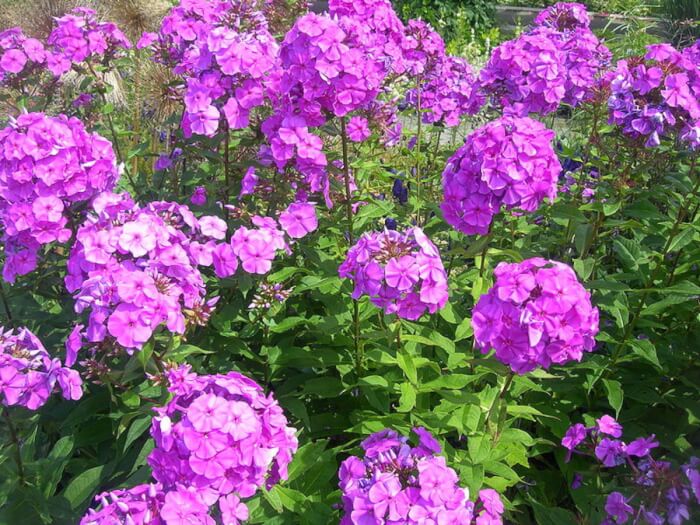 Summer Phlox tends to develop powdery mildew, so trimming in fall helps stop it from spreading. Once the flowers fade, cut stems back to about three inches above the soil. This also encourages vigorous new shoots the following spring.
Water the area lightly after cutting to keep the soil healthy. By tidying phlox early, you’ll avoid a messy patch in late autumn. It also frees space for fall-planted bulbs around them.
#3 Bee Balm
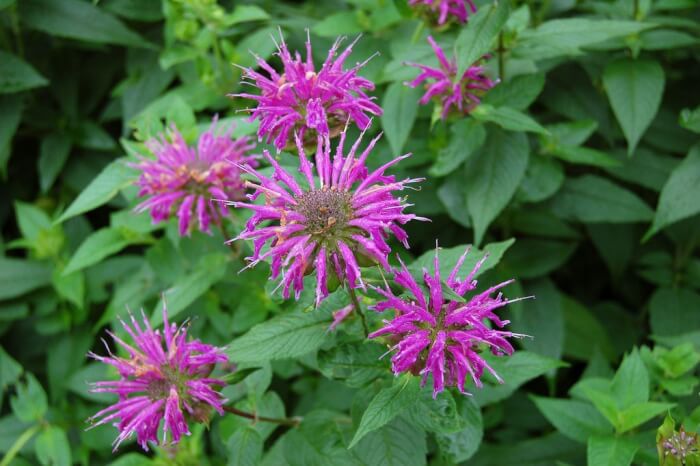
Bee Balm thrives with regular deadheading, but fall pruning is equally important. After the first frost, cut stems close to the ground to reduce mildew risks. Use clean shears to avoid spreading disease between plants.
If clumps are crowded, divide them in spring to keep growth strong. Cutting back now means healthier foliage and better air circulation next year. Bee Balm will reward you with brighter blooms and more pollinators.
#4 Daylilies
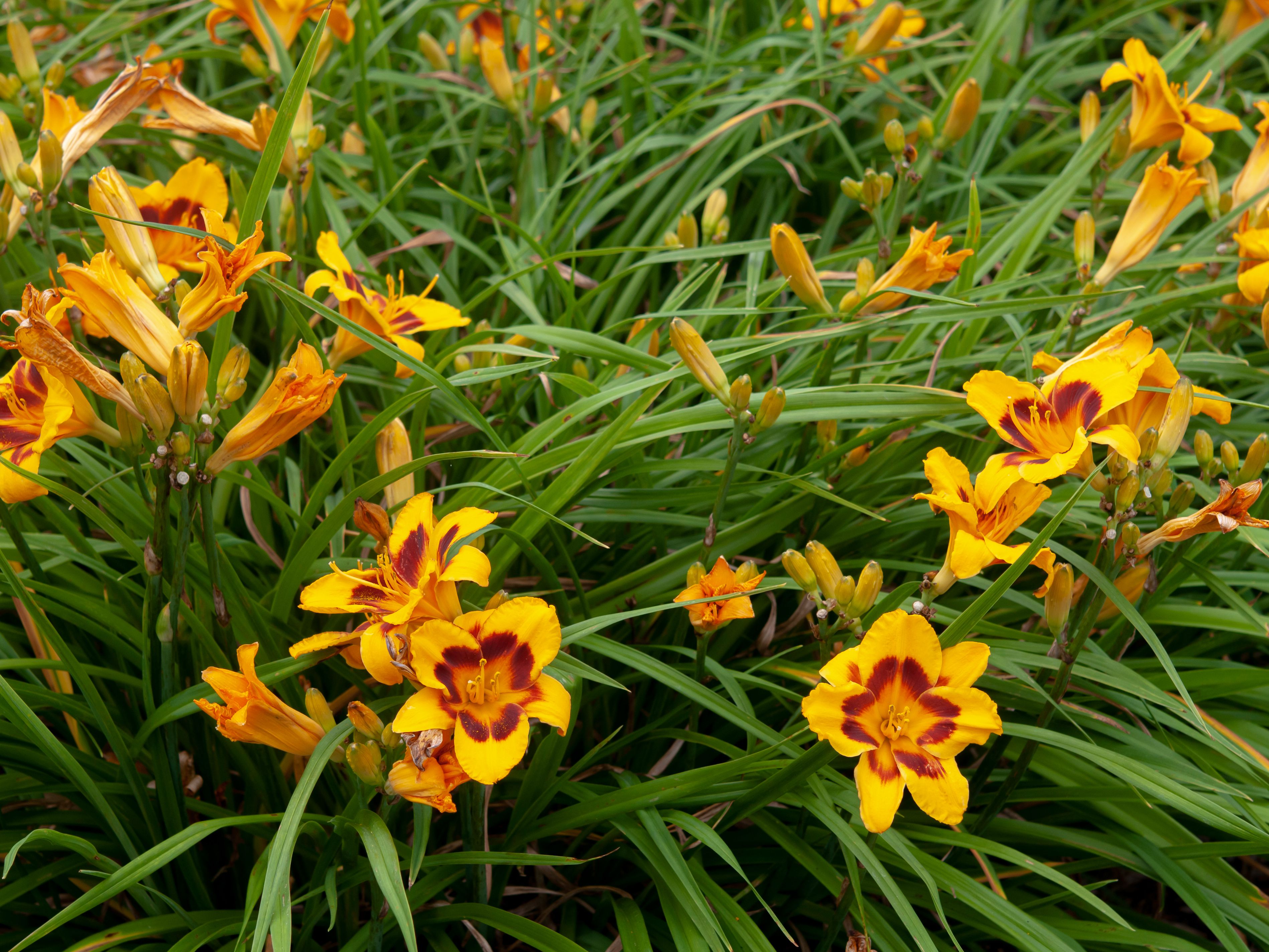
Daylilies naturally yellow and collapse as fall approaches, leaving untidy clumps. Prune leaves to 4–6 inches above the crown for a neat finish. This also makes dividing plants easier in spring.
Remove all dead or mushy foliage to prevent overwintering pests. Compost the healthy trimmings to recycle nutrients back into your soil. With this simple step, your daylilies will return full and fresh next season.
#5 Catmint
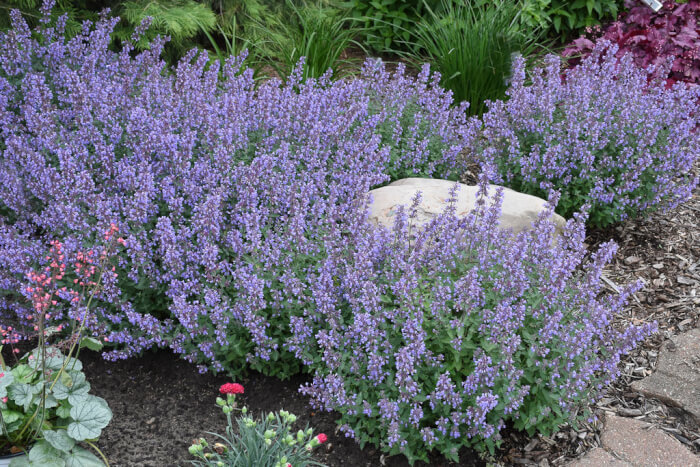
Catmint can suffer from mildew if left overcrowded through fall and winter. Trim yellowing stems while leaving healthy green ones intact. Cut plants down to a few inches above the soil if growth is spent.
Water lightly after pruning to settle the roots. A fall cleanup reduces fungal spread and keeps the clump in shape. Come spring, new shoots will grow quickly with little fuss.
#6 Ligularia
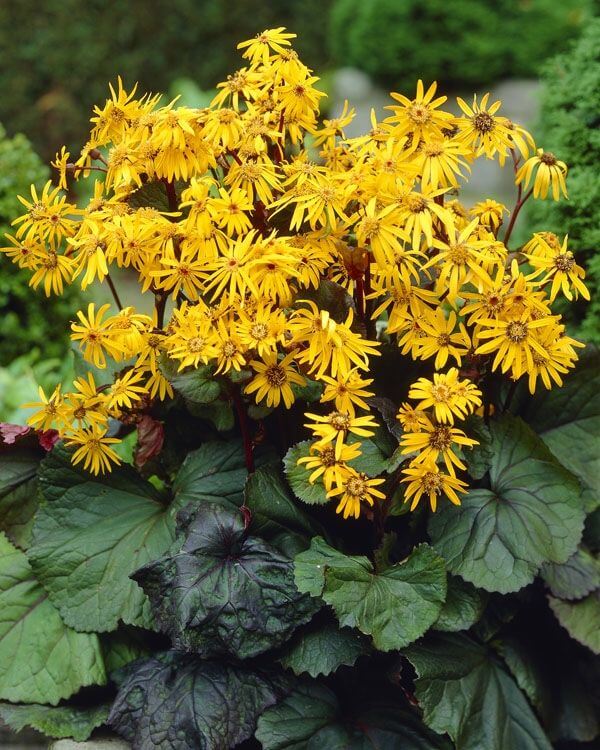
Ligularia’s foliage turns mushy after the first frost, making fall cleanup essential. Remove decaying leaves and stalks to prevent disease from spreading. If stems stay upright after frost, you can leave them until spring.
Use sharp shears to cut growth back close to the crown. Mulching afterward helps protect the roots through winter. Pruning gives Ligularia a clean start for lush summer leaves.
#7 Hostas
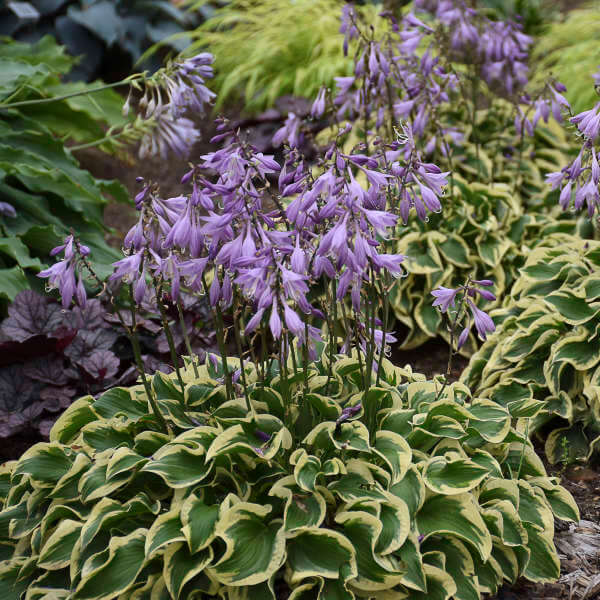
Hostas attract slugs that lay eggs in decaying foliage over winter. To avoid this, cut plants down to about three inches above the crown once the leaves brown. Rake up all debris to remove hiding spots for pests.
If you wait until after frost, the job is easier as leaves collapse naturally. Add a light mulch to insulate roots during freezing temperatures. A fall cutback keeps your hostas healthier and slug-free.
#8 Hollyhocks
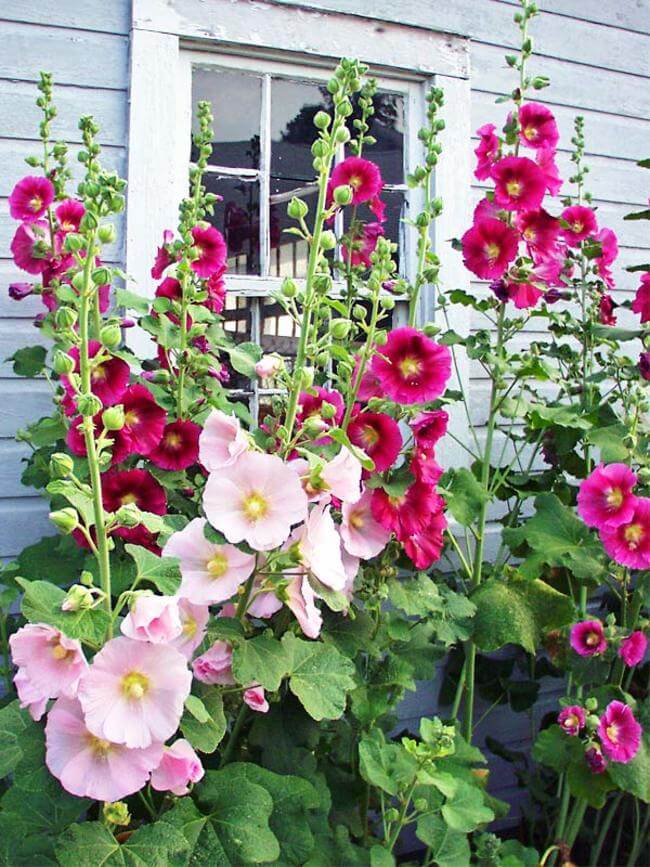
Hollyhocks often suffer from rust, a fungus that thrives on old leaves. Trim plants back to about five inches above soil level in autumn. Remove and dispose of infected foliage rather than composting.
This reduces spores that could infect next year’s growth. Apply mulch after cutting to keep the soil warm through winter. A fall cleanup will help hollyhocks bloom clean and tall in summer.
#9 Bearded Irises
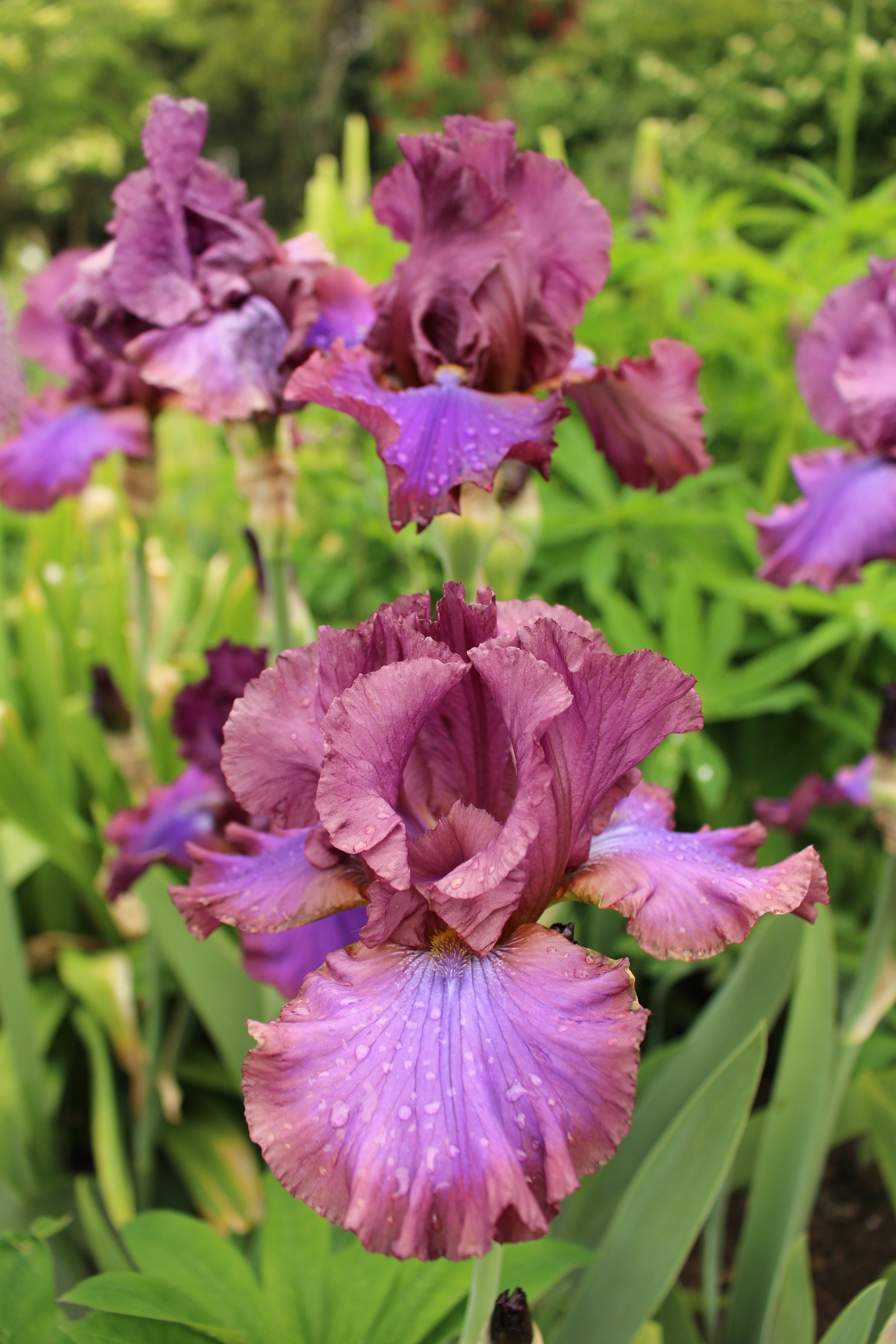
Bearded Irises benefit from fall pruning to reduce pests and fungal infections. Cut leaves down to six inches from the crown once they start yellowing. Remove any dead leaves from around the base to prevent rot.
Sanitize your tools between plants to avoid spreading iris borers. Mulch lightly if winters are harsh in your area. This practice helps irises produce healthier fans and more flowers.
#10 Yarrow
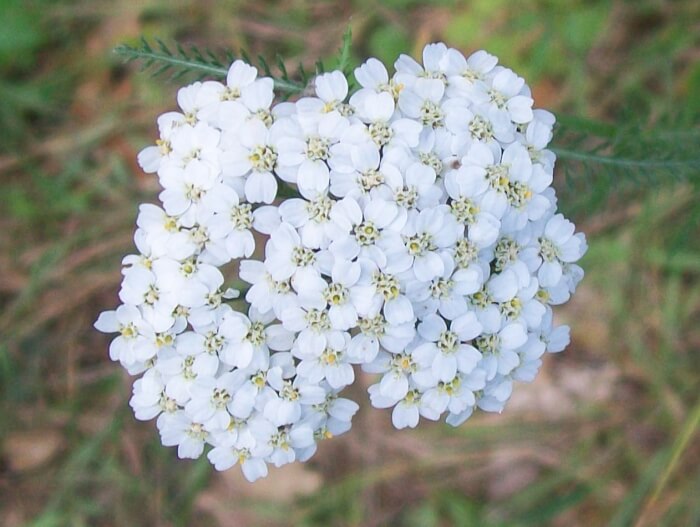
Yarrow can be trimmed back after its blooms fade to keep plants vigorous. In fall, cut old stalks down to just above the basal rosette. Avoid damaging the fresh green shoots that form at the base.
If you enjoy dried arrangements, harvest blooms earlier before trimming. Add compost around the plant after pruning to enrich the soil. A neat fall cut helps yarrow regrow quickly in spring.