
Herbs to grow in the fall bring you fresh flavor and fragrance long after summer ends. The cool days of autumn provide the perfect environment for many familiar herbs, giving you a steady supply for cooking and natural remedies.
Most of these herbs are low-maintenance, forgiving, and adapt well to pots or garden beds, so you can enjoy harvests even in limited spaces. With the right care, many will last into winter or return stronger in spring.
Growing them not only saves you trips to the store but also brings vibrant greenery to your kitchen and garden. Let’s look at 9 herbs that do especially well in the fall season and how you can get the best results.
#1 Mint
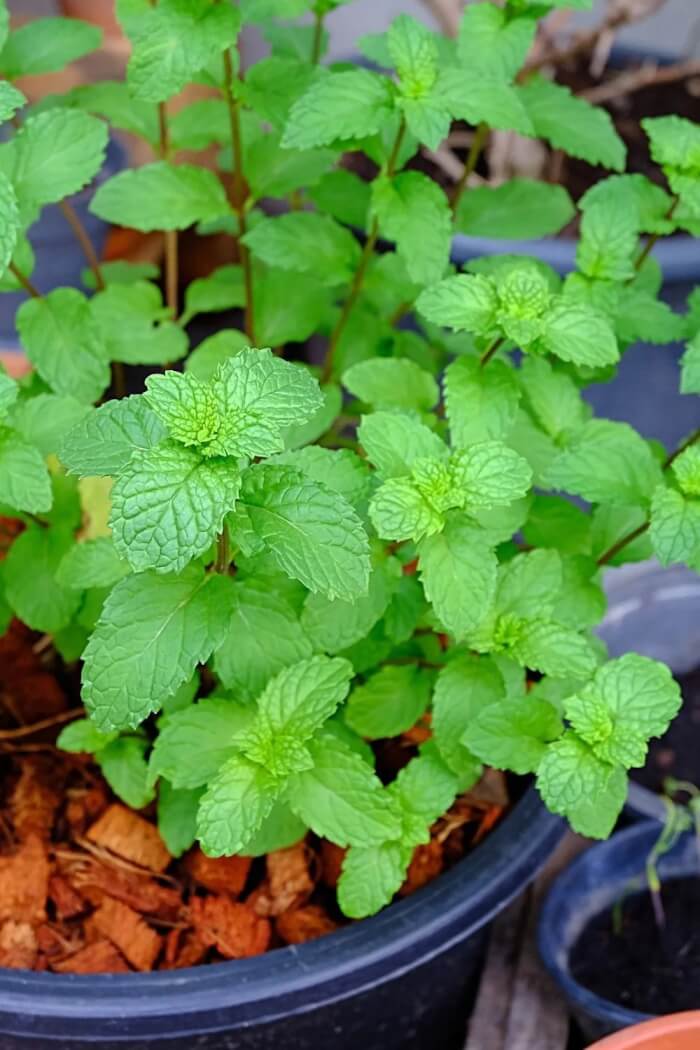
Mint is a vigorous grower that keeps going strong in mild fall weather. It thrives best in moist soil and partial shade, making it easy to tuck into containers or garden edges. To keep it under control, plant it in a pot rather than directly in the ground.
Trim it back regularly to encourage fresh, tender leaves. If frost arrives, don’t worry—mint often returns in spring with renewed growth. Having a pot near your kitchen door means you’ll always have sprigs ready for tea or garnish.
#2 Rosemary
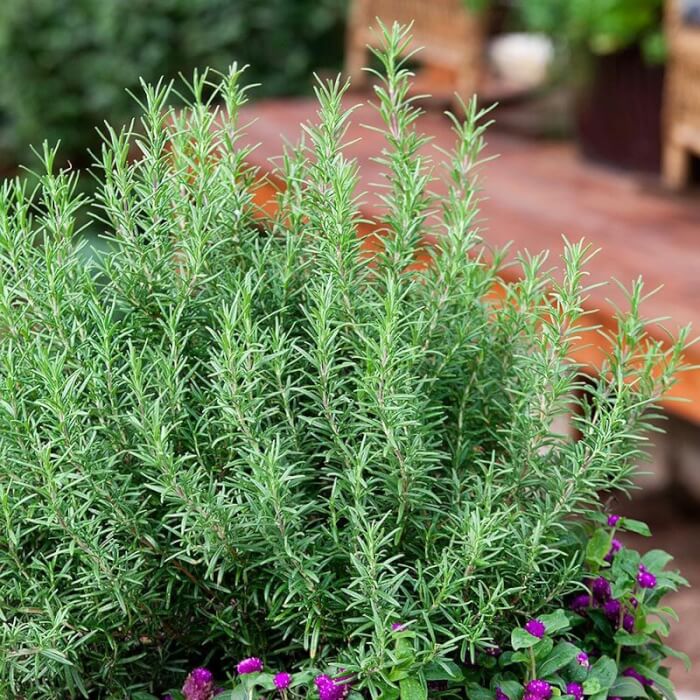
Rosemary is an evergreen herb that stays fragrant even as temperatures cool. Its needle-like leaves add flavor to soups, roasted vegetables, and bread.
In warm climates, rosemary thrives outdoors all year, while in colder areas, you’ll want to move pots indoors before frost. Place it in a sunny window and allow the soil to dry slightly between waterings.
Prune lightly to encourage bushy growth and prevent it from becoming leggy. Once established, this herb will serve you for years with very little effort.
#3 Sage
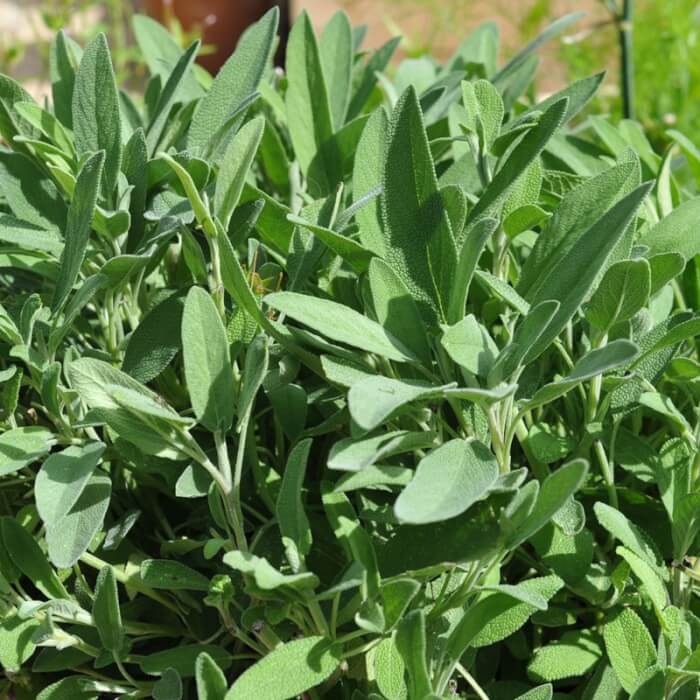
Sage is a hardy perennial that settles in comfortably during fall. The silvery leaves not only look attractive but also bring rich flavor to poultry dishes and stuffing. Plant it in a sunny location with well-draining soil to keep it happy.
Water sparingly, since too much moisture can harm the roots. Cut stems regularly for cooking, which also helps the plant grow fuller. With its resilience, sage often survives through winter in milder zones.
#4 Greek Oregano
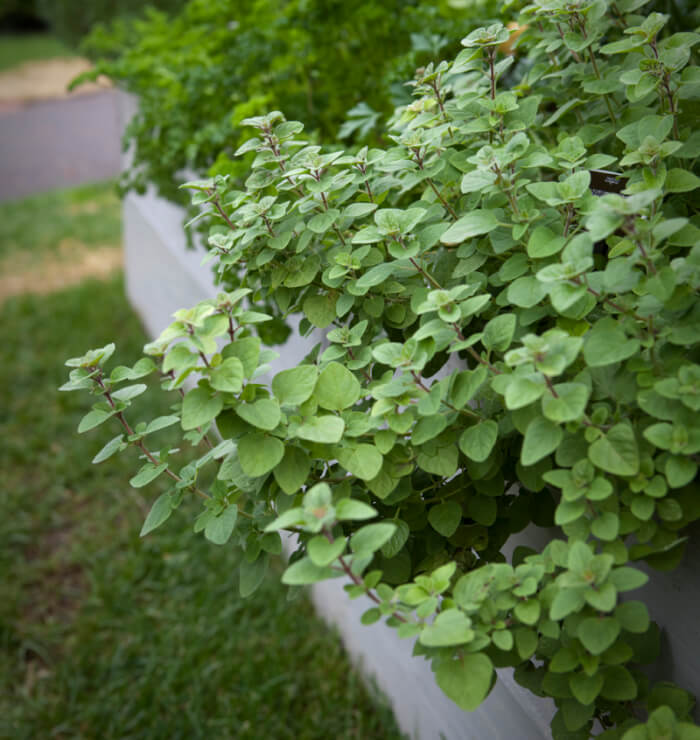
Greek Oregano is packed with a strong aroma and flavor that deepen as the plant matures. It does well when planted in the fall, especially in full sun and light, well-drained soil.
Harvesting frequently will keep the plant healthy and prevent it from becoming woody. Snip stems close to the base, and new growth will quickly appear.
Keep watering moderately since oregano prefers slightly dry conditions. A small pot of this herb near your kitchen can elevate any pasta or pizza.
#5 Parsley
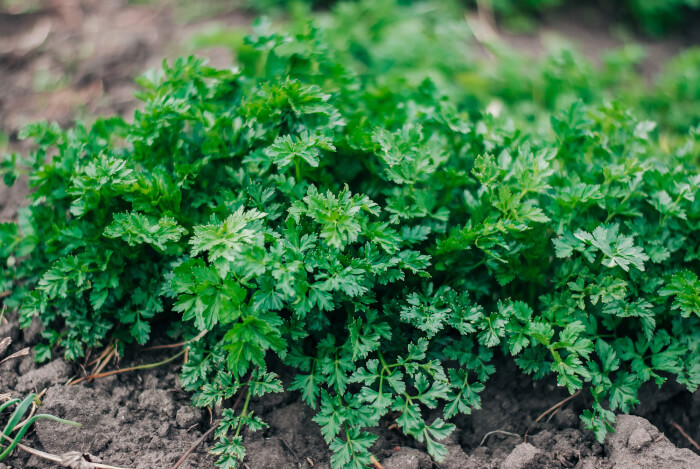
Parsley grows steadily in cool fall weather, and you can choose between flat-leaf or curly varieties. Sow seeds directly in the soil or start them in pots on your balcony.
In frost-free climates, it grows nearly year-round, but in colder areas, you’ll need to move pots indoors or protect them with a cloche. Water regularly to keep the soil moist but not soggy.
Snip outer leaves as you need them, allowing the plant to keep producing. Fresh parsley makes a great garnish or ingredient for salads and soups.
#6 Lemon Balm
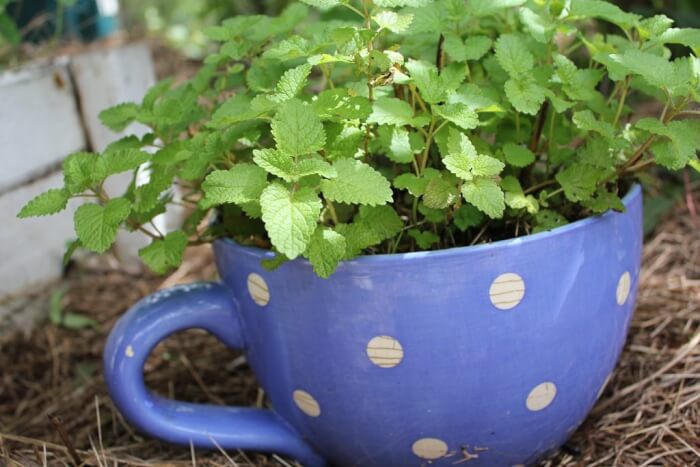
Lemon Balm fills your garden with a fresh citrus scent that is especially refreshing in fall. It adapts to full sun or partial shade, so you can place it almost anywhere. Plant it in rich, well-drained soil and water when the top feels dry.
Regular pruning encourages bushy growth and prevents it from spreading too much. The leaves are perfect for calming teas or flavoring desserts. With its cheerful aroma, lemon balm brings both taste and relaxation to your home.
#7 Cilantro
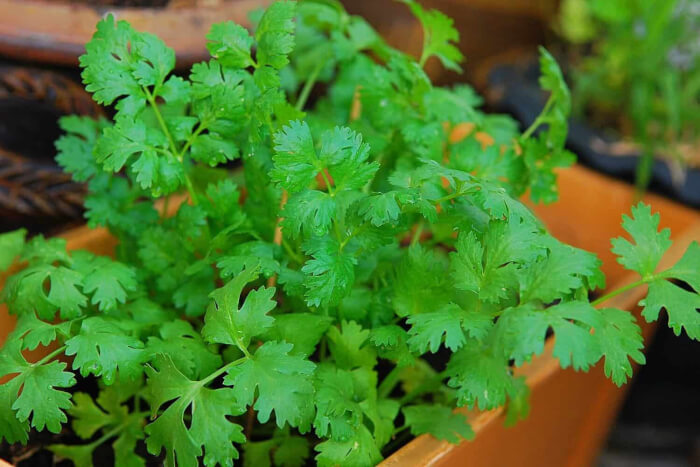
Cilantro thrives in the cool weather of fall, producing lush green leaves before bolting in spring heat. Sow seeds directly into containers or garden beds for quick growth. Place it in a sunny to partially shaded spot, and keep the soil consistently moist.
Harvest leaves regularly to promote new shoots. If you let some plants go to seed, you’ll also get coriander spice for your kitchen. This makes cilantro a double-purpose herb that is both flavorful and versatile.
#8 Lavender
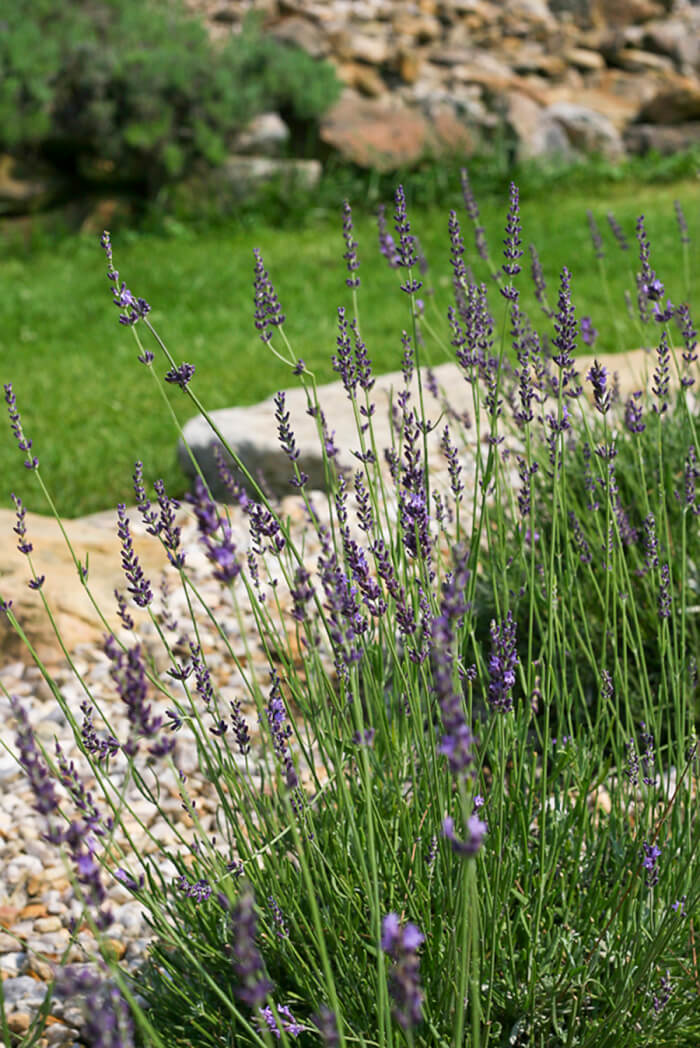
Lavender planted in early fall can establish roots before winter arrives. Choose a sunny location with well-drained soil for best growth. In colder climates, add a protective layer of straw mulch around the base before frost.
Water sparingly, as lavender dislikes soggy conditions. The plant rewards you with fragrant leaves and, in time, beautiful purple flowers. Even without blooms, the soft scent brightens your space and promotes relaxation indoors.
#9 Thyme
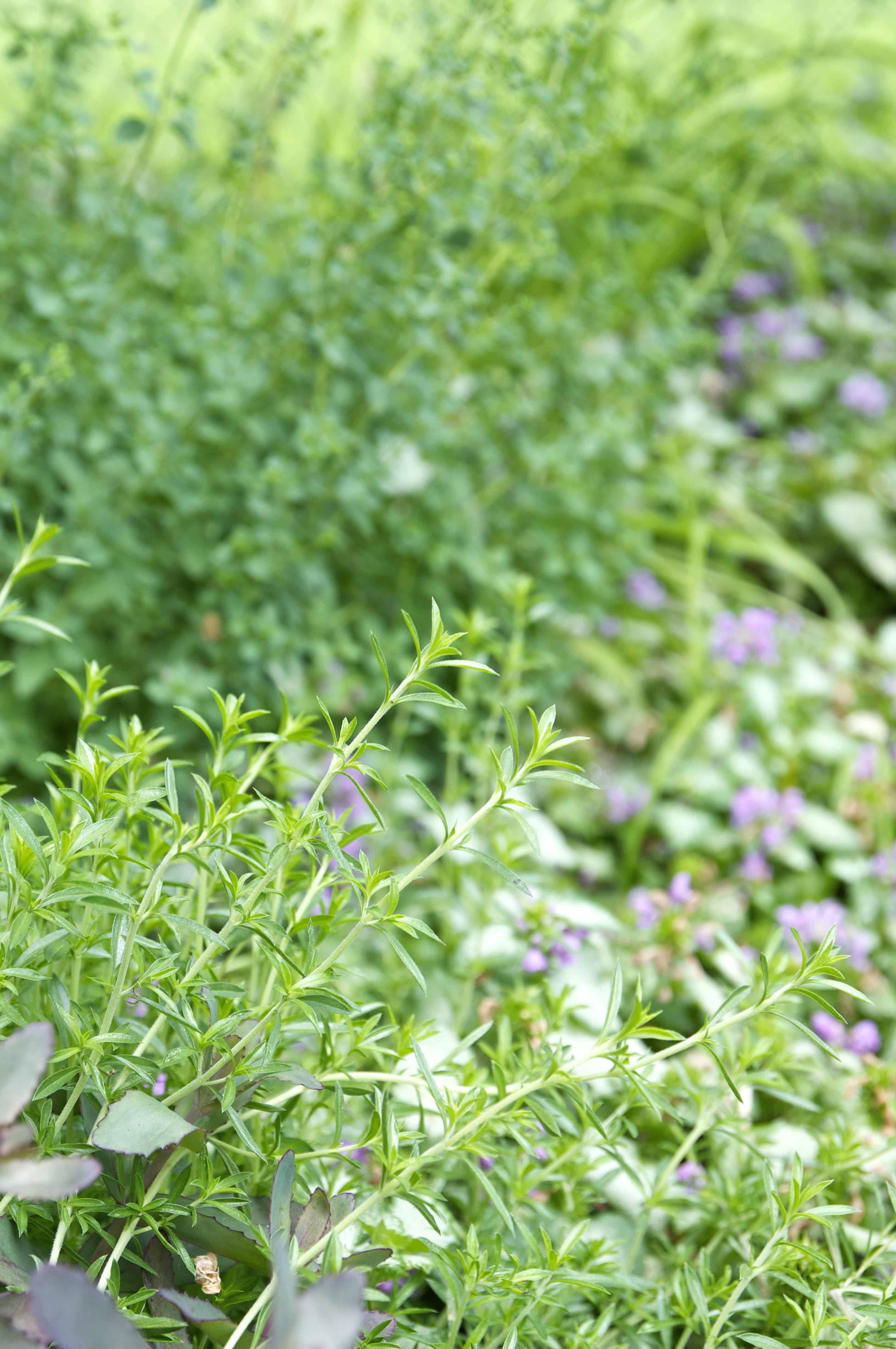
Thyme is a tough little herb that flourishes in cooler weather. It grows well in containers or garden beds, especially in sunny spots with dry, sandy soil. Water lightly, since thyme thrives in slightly dry conditions.
Clip sprigs often for cooking, as regular harvesting keeps the plant dense and productive. With minimal care, thyme will continue producing flavor through fall and even survive winter in many regions.
Its earthy taste enhances everything from roasted meats to fresh vegetables.