
Herbs that grow best in shade are a gift for gardeners with limited sunlight. If your yard, balcony, or kitchen windowsill only gets partial light, you can still enjoy a thriving herb garden filled with fragrance and flavor.
These plants don’t just survive in shady corners; they actually prefer it, giving you healthy leaves without the stress of wilting under the summer sun.
The best part is that most shade-loving herbs are very low-maintenance, so you won’t need to spend much time fussing over them.
Just give them moist soil, occasional trimming, and the right spot, and they’ll reward you with fresh flavor for your kitchen. Let’s look at 13 popular herbs that will grow beautifully in the shade and add both greenery and taste to your daily meals.
#1 Cilantro
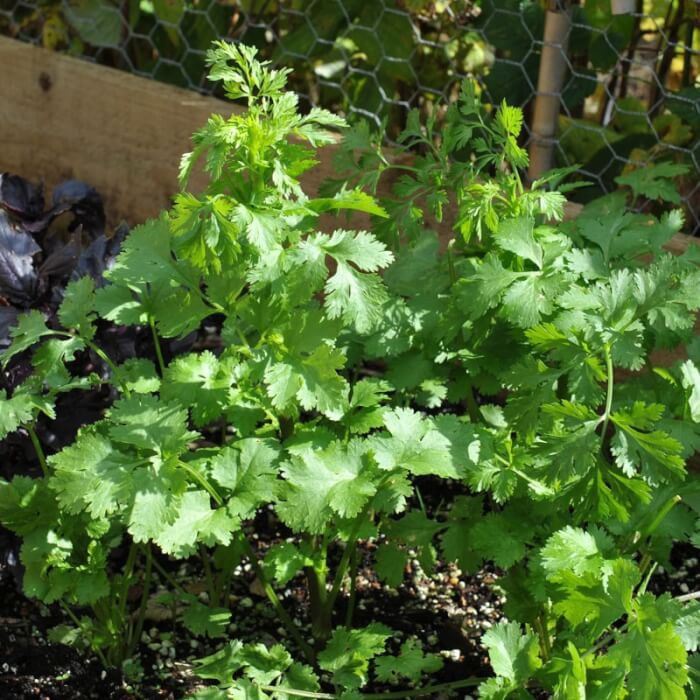
Cilantro thrives in cool, shaded spots and dislikes harsh sun. Too much direct light makes it bolt quickly, which shortens the harvest season. Keep the soil consistently moist, as this herb loves damp conditions more than anything else.
You can grow it in pots near a shaded window for easy kitchen use. Sow seeds every few weeks to enjoy a continuous supply of leaves. Fresh cilantro brightens salads, soups, and salsas with its distinct flavor.
#2 Perilla
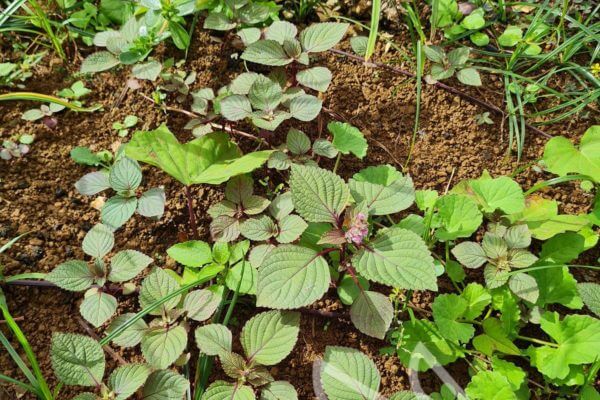
Perilla is valued for its peppery, slightly spicy aroma, especially the purple-leaved variety. It grows happily in shaded gardens and is just as content in containers. Water it regularly, but make sure the soil drains well to avoid soggy roots.
Its leaves can be used fresh in wraps, pickles, or stir-fries. You’ll love the ornamental touch it adds with its colorful foliage. Shade not only helps it grow but also keeps its flavors balanced.
#3 Mint
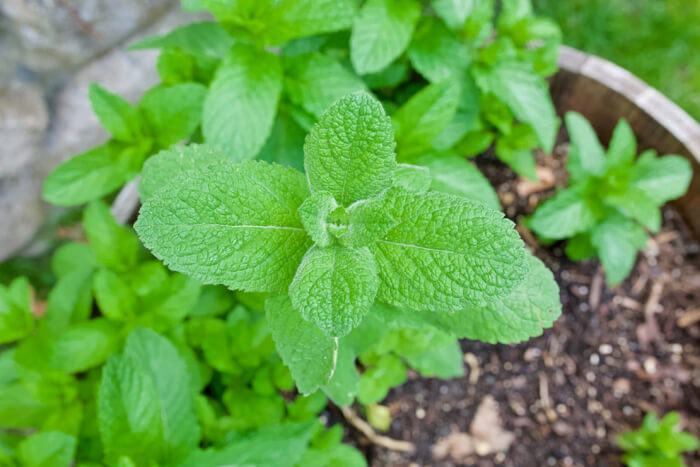
Mint is one of the easiest herbs to grow in low light. It spreads quickly, so planting it in containers keeps it under control. This herb enjoys consistently moist soil and can reach about 18 inches tall with fragrant summer blooms.
Trim it back often to encourage bushy growth and prevent legginess. Its refreshing leaves are perfect for teas, desserts, and cocktails. A shady corner is all it needs to stay lush and flavorful.
#4 Thyme
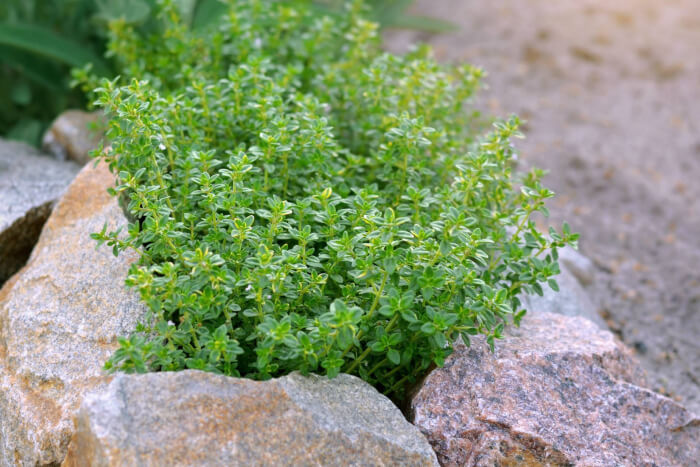
Thyme adapts well to shady conditions and doesn’t demand much care. It forms low mounds of greenery topped with purple, pink, or white flowers in summer. Plant it in well-draining soil and let the top layer dry before watering again.
You can harvest the leaves anytime to season soups, roasts, or marinades. It’s a hardy herb that continues to thrive with very little attention. Shade helps it keep a steady, gentle flavor in the leaves.
#5 Basil
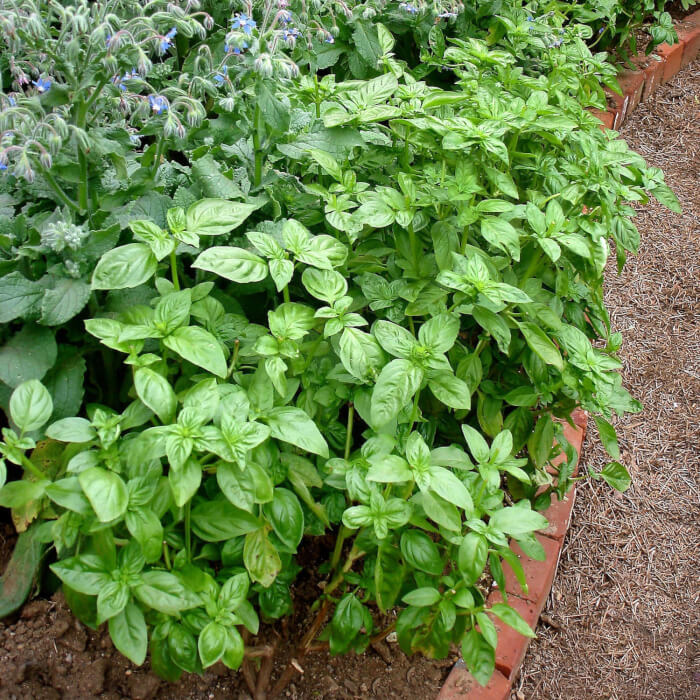
Basil often bolts in direct sun, which makes partial shade ideal for steady growth. Six hours of light a day is enough to keep its leaves healthy. Water it when the soil feels dry, and pinch back flower buds to encourage more foliage.
It grows well in containers, making it easy to keep near your kitchen. Fresh basil is perfect for pesto, pasta, or salads. Shaded areas help extend its growing season without stress from heat.
#6 Dill
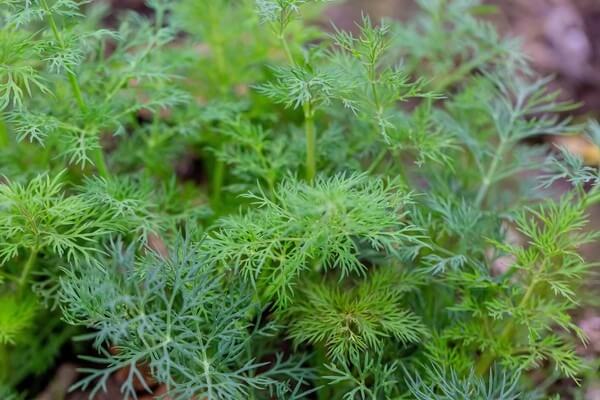
Dill does surprisingly well in shade, where it produces softer, more tender leaves. Keep the soil moist, as this herb doesn’t like to dry out completely. It reaches its best flavor when protected from the hot sun.
Harvest young leaves for salads or fish dishes, and let a few plants flower for seeds. You can sow directly in pots or garden beds for a steady supply. Shade keeps dill from bolting too early in the season.
#7 Oregano
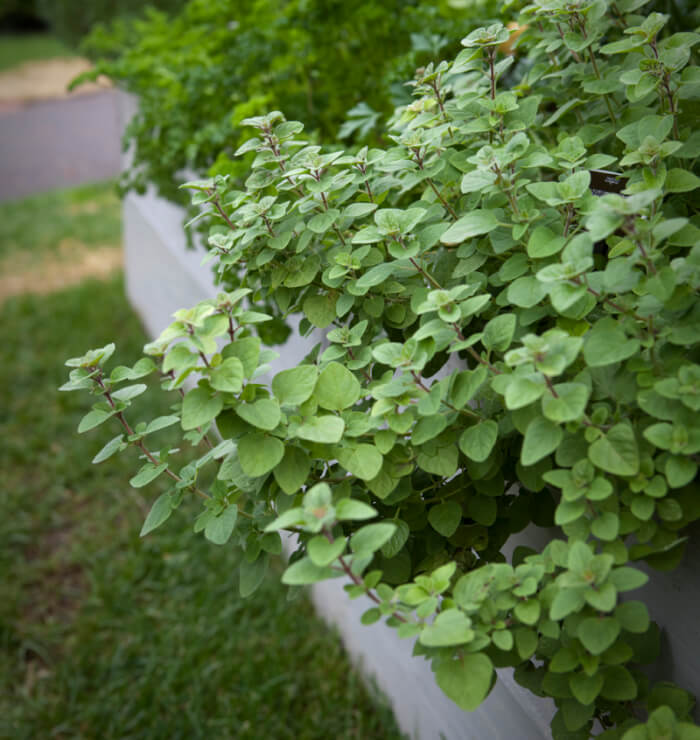
Oregano enjoys cooler conditions and grows happily in shaded spots. It spreads quickly, so giving it space or using containers is a smart choice. Plant it in well-draining soil and water lightly once the top layer is dry.
Prune it often to keep it compact and flavorful. Oregano leaves are perfect for pizzas, sauces, and roasted vegetables. Growing it in shade helps maintain steady leaf production without stressing the plant.
#8 Lovage
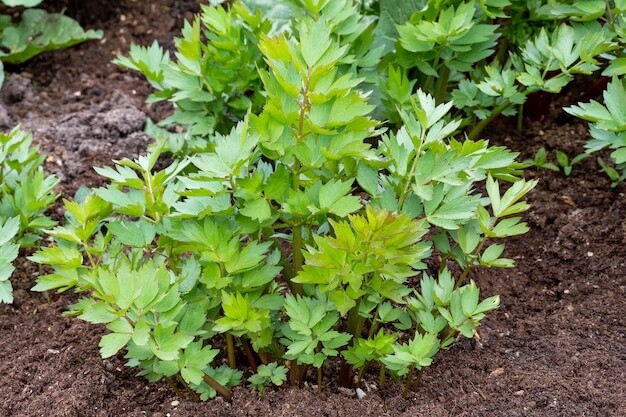
Lovage is a tall herb with a celery-like flavor and belongs to the carrot family. It thrives in partial shade, especially in hot regions. Rich soil and regular watering will keep it productive.
The leaves are great in soups and stews, while the stems can be used fresh as a garnish. If given 4–6 hours of light daily, it grows into a robust plant. Shade helps preserve its tender texture and mild taste.
#9 Sage
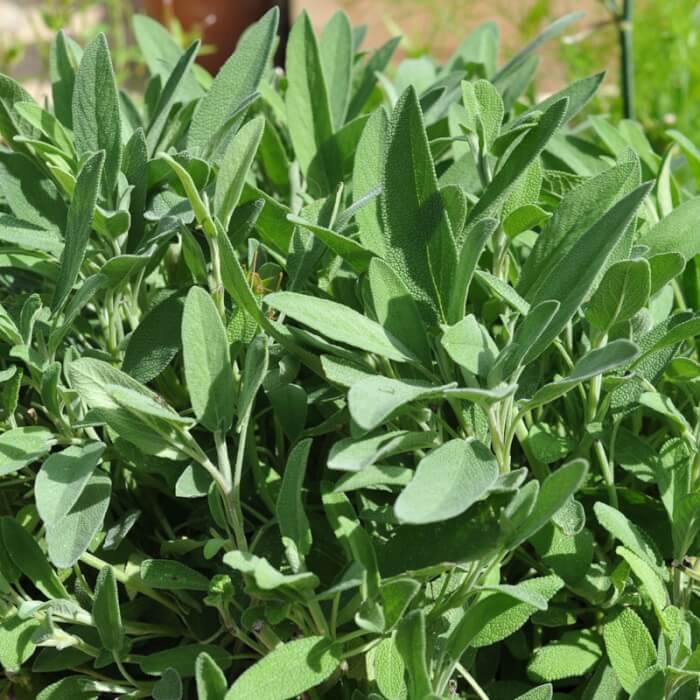
Sage is a hardy herb that tolerates partial shade well. It prefers soil that drains easily and doesn’t like being overwatered. Plant it in a spot with some afternoon shade to keep its leaves from wilting in summer.
Prune back woody stems in spring to encourage new growth. Fresh sage enhances meats, stuffing, and pasta sauces with its earthy flavor. With just a little care, it will thrive year after year.
#10 Summer Savory
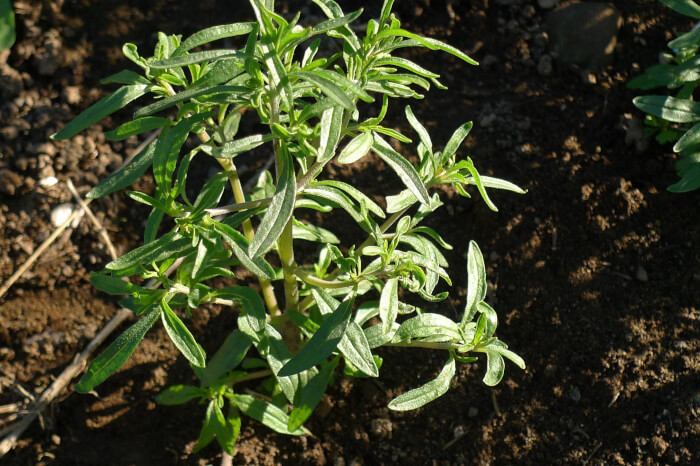
Summer Savory is a compact herb that performs beautifully without full sun. It reaches about 8 inches tall and carries a strong, peppery flavor. Plant it in well-draining soil and water regularly during dry periods.
Its small flowers also attract pollinators to the garden. You can snip fresh leaves to season beans, poultry, or stews. Shade helps it stay tender and prevents it from drying out too quickly.
#11 Parsley
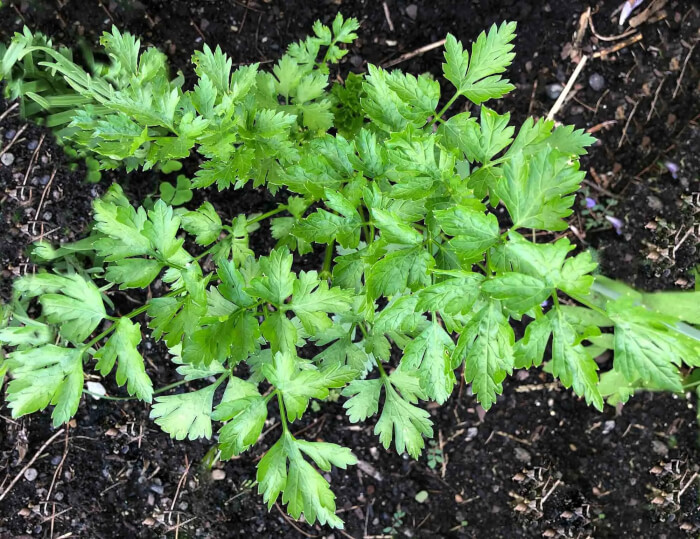
Parsley is a biennial herb that loves partial shade, making it an easy pick for low-light gardens. Keep the soil moist and harvest leaves regularly to encourage more growth.
It can thrive all summer without much fuss, even in cooler corners of your yard. Parsley is versatile, working well as both a garnish and a main flavoring in dishes.
Flat-leaf types bring stronger flavor, while curly varieties add decorative appeal. Shade helps extend its growing life into the late season.
#12 Sorrel
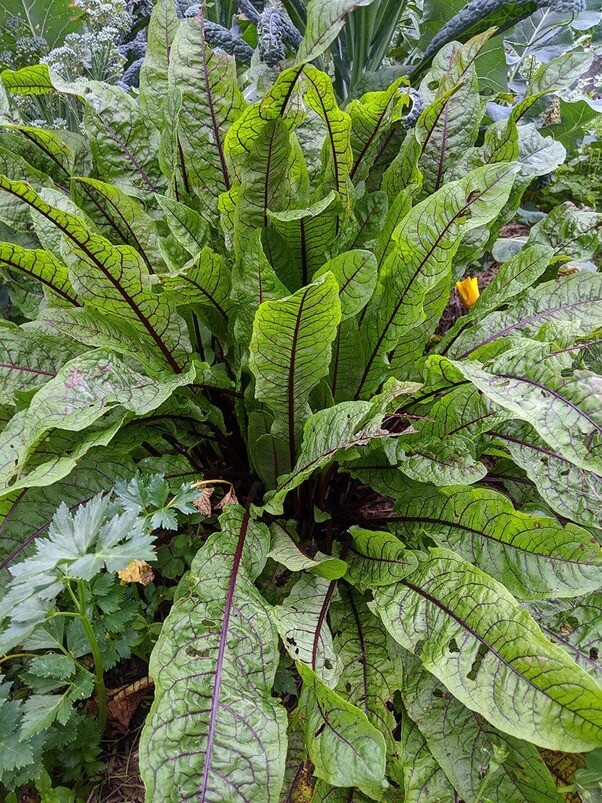
Sorrel thrives in many climates and grows happily in shaded areas. Its tangy, lemon-like leaves are refreshing in soups and salads. Keep the soil moist and avoid exposing it to harsh summer sun.
Regular harvesting encourages fresh leaves throughout the season. It’s a perennial herb that often comes back stronger each year. Shade keeps its leaves tender and prevents the flavor from becoming too strong.
#13 Rosemary
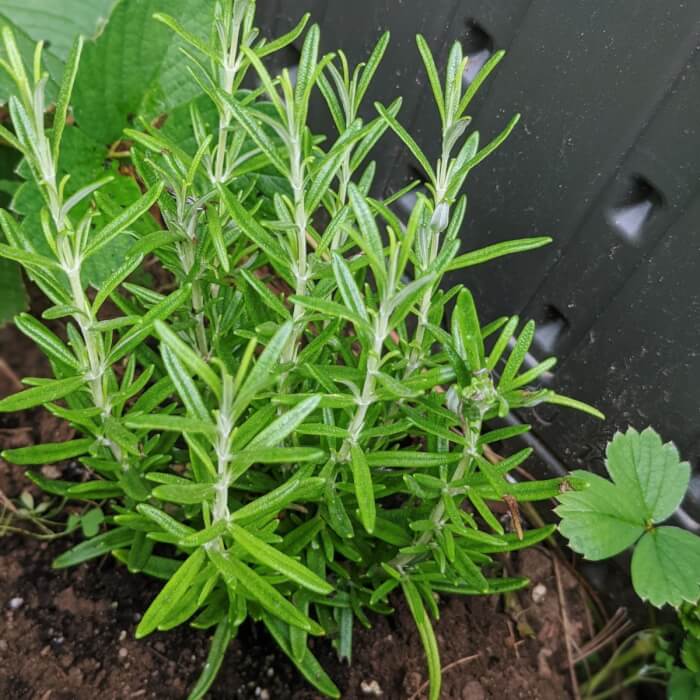
Rosemary adapts surprisingly well to partial shade, needing only four hours of light daily. It prefers well-draining soil and benefits from letting the soil dry slightly between waterings.
This herb develops woody stems over time, adding structure to containers or garden beds. Snip young sprigs for seasoning meats, breads, or roasted vegetables.
Regular pruning keeps it full and bushy. Shade helps protect rosemary from excessive heat while still supporting flavorful growth.