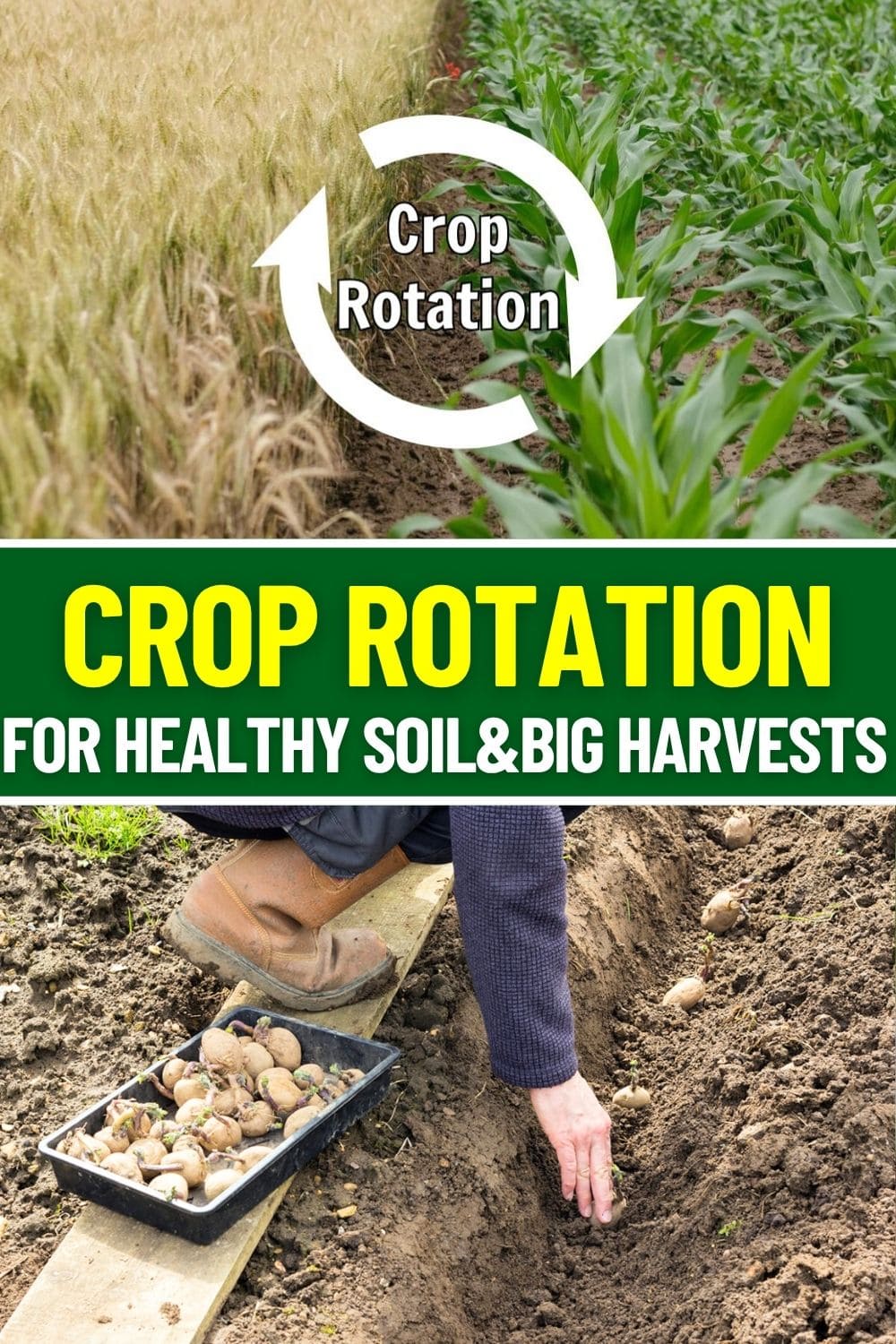
If your garden seems tired, your plants weaker, or pests just won’t go away, the problem might not be your green thumb, it could be your soil.
Growing the same crops in the same spot year after year depletes nutrients, invites diseases, and creates a haven for pests. However, the solution is crop rotation.
This age-old practice keeps your soil alive and thriving, ensures healthier plants, and saves you from relying on endless fertilizers and pesticides. Specially, it’s easier than you think.
What is Crop Rotation?
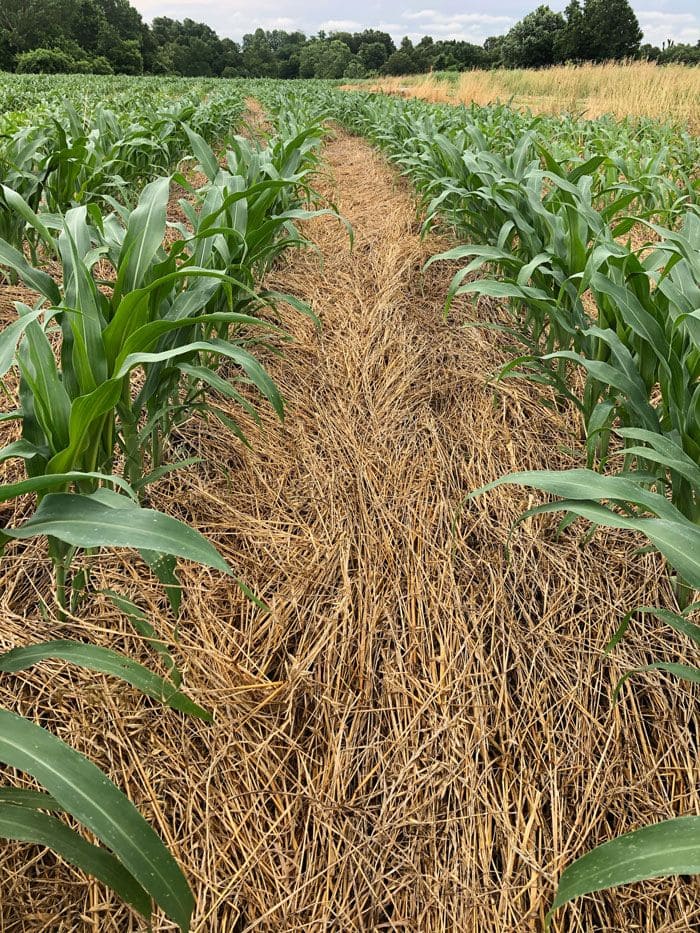
Crop rotation is simply the practice of planting different groups of vegetables in the same spot across successive years.
Instead of exhausting your soil with the same crop family, you rotate them so each group gives and takes nutrients in balance.
Farmers have done this for centuries because it works, it’s nature’s way of healing the soil while still feeding us.
Why Crop Rotation Matters
Soil fertility stays balanced
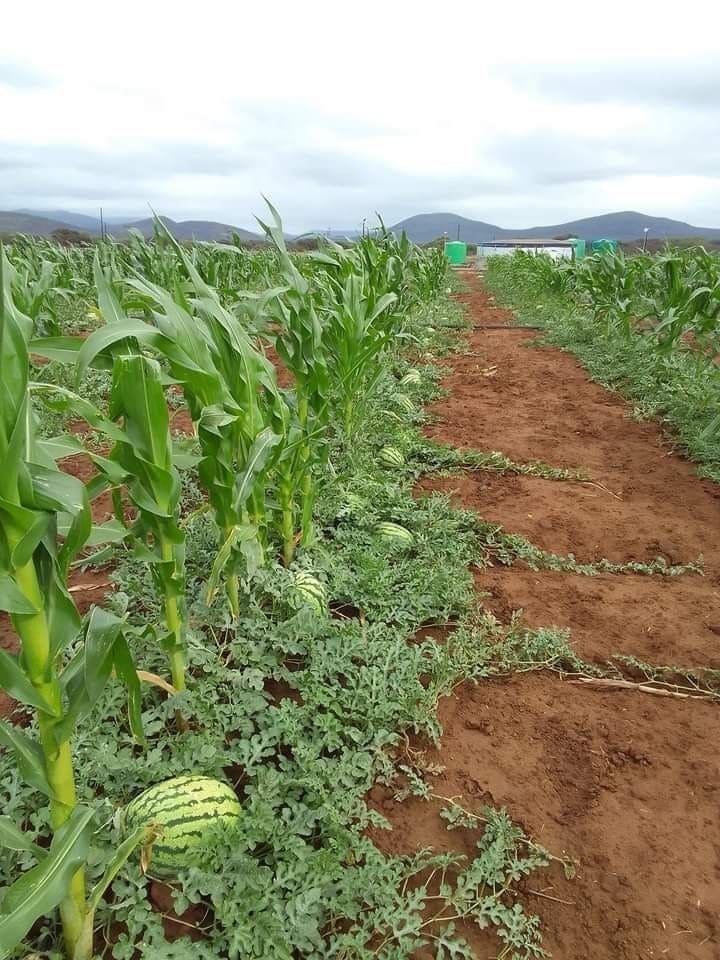
Leafy greens like spinach and lettuce crave nitrogen to fuel all that leafy growth. Root crops like carrots are lighter feeders but need loose, well-aerated soil. Fruiting plants such as tomatoes and peppers are the hungriest.
If you keep planting the same thing in the same spot, the soil becomes stripped of specific elements.
Rotation acts like a reset button, allowing the soil to recover and stay rich enough to feed the next crop.
Pest cycles are broken naturally
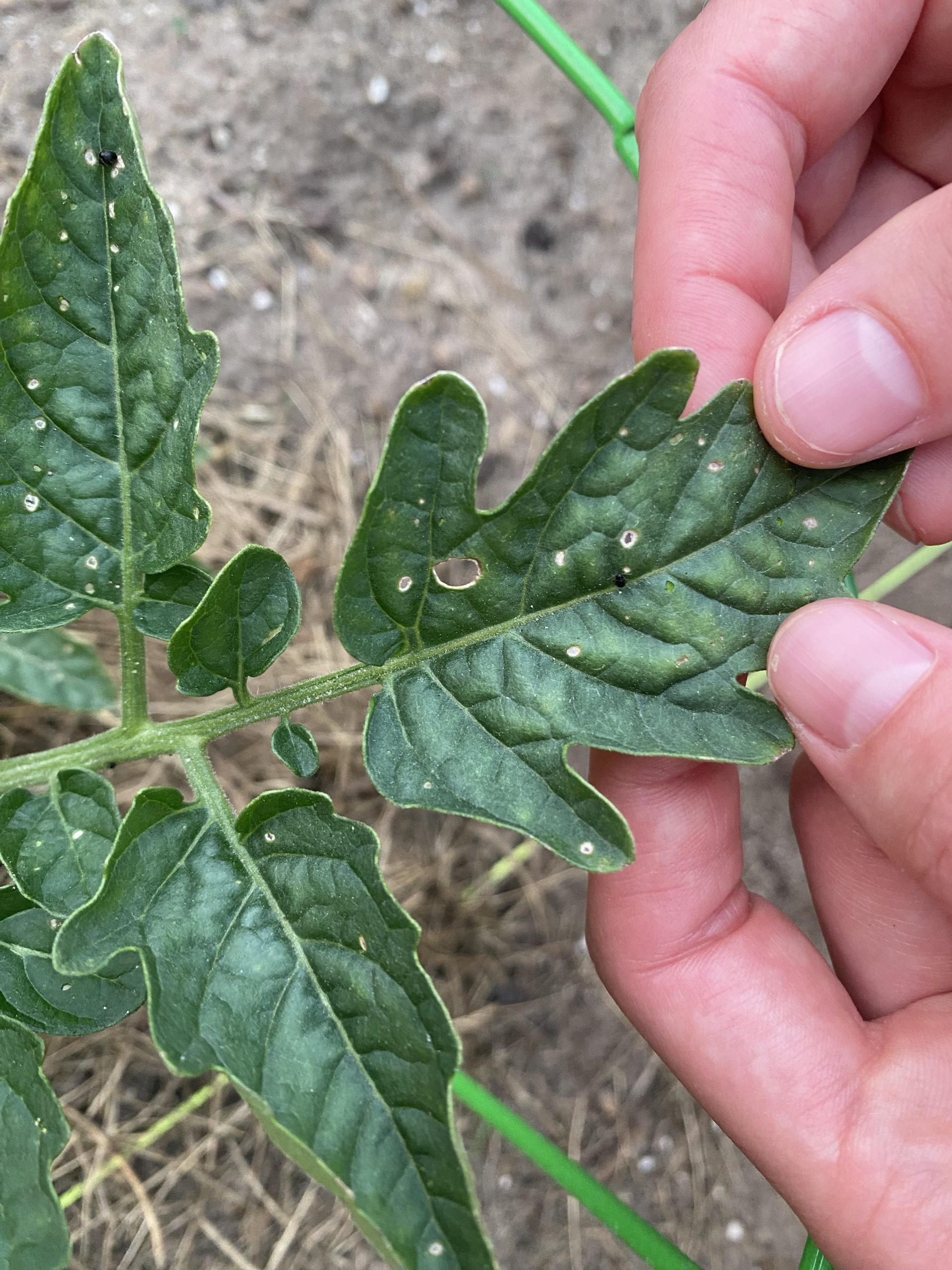
Most pests are picky eaters. Tomato hornworms, for example, only target plants in the nightshade family.
If you grow tomatoes, then peppers, then eggplants in the same spot, pests never need to leave, they’ll just keep multiplying.
But if you swap in beans or carrots, the pest population suddenly loses its food source. Without their preferred host, their numbers drop dramatically, saving your plants without you having to spray chemicals.
Diseases have fewer opportunities to spread
Soil-borne diseases like clubroot (common in brassicas) or early blight (in nightshades) can linger in the soil for years.
When you plant the same crop family repeatedly, those diseases find easy targets season after season. Rotation interrupts that chain, giving the soil time to heal before you reintroduce a susceptible crop.
Your harvests get bigger and better
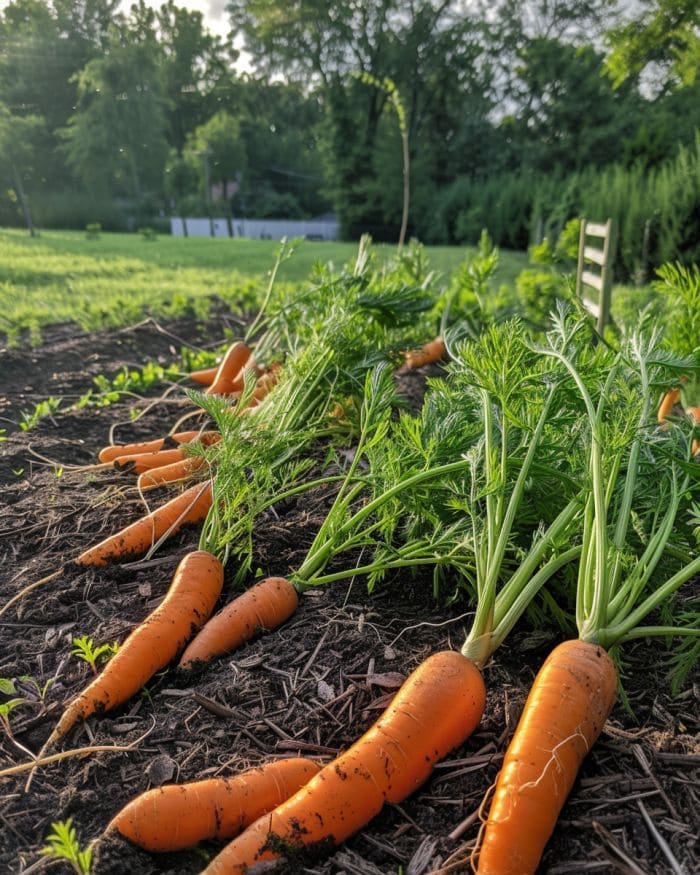
Healthy soil produces healthy plants. When nutrients are balanced and pests are under control, crops grow stronger, resist stress better, and yield more.
You’ll notice fuller heads of lettuce, straighter carrots, and more flavorful tomatoes, all thanks to a healthier foundation beneath them.
The Four-Year Crop Rotation Cycle
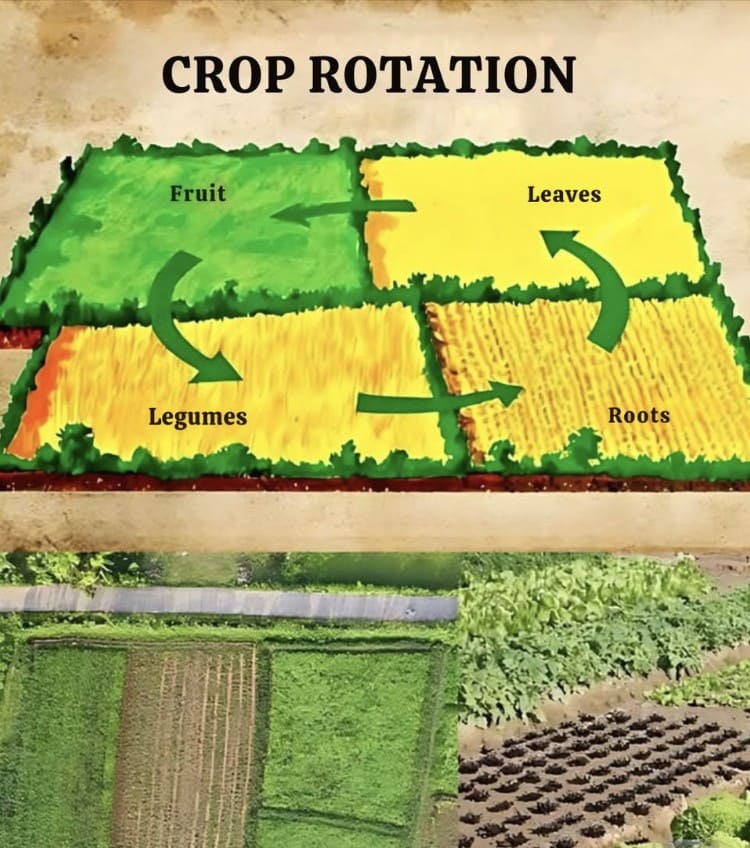
You don’t need to overcomplicate it. A simple four-year cycle is enough for most home gardens. Here’s how it works:
Year 1: Legumes – Feeding the Soil
Start with beans, peas, or lentils. These plants enrich the soil by fixing nitrogen through their roots. Think of it as your soil’s recharge year.
Year 2: Leafy Crops – Nitrogen Lovers
Next, plant leafy greens like lettuce, spinach, kale, or cabbage. These thrive on the nitrogen left behind by legumes, producing lush, healthy foliage.
Year 3: Fruiting Plants – Heavy Feeders
Now it’s time for tomatoes, peppers, cucumbers, or squash. These crops need plenty of nutrients to produce fruit, and they’ll happily use up the soil’s reserves.
Year 4: Root Crops – Aerating the Soil
Finish the cycle with carrots, beets, radishes, or onions. Root vegetables don’t need as much nitrogen, and their growing habit naturally loosens and aerates the soil.
Practical Tips for Home Gardeners
1. Group crops by families, not just by type
It’s not enough to say “I won’t plant tomatoes in the same bed this year, I’ll plant peppers instead.” Both are from the nightshade family, so pests and diseases treat them the same.
Instead, you should learn the main plant families like nightshades, brassicas, legumes, cucurbits, etc. and rotate those families, not just the individual crops.
2. Keep a garden journal or map
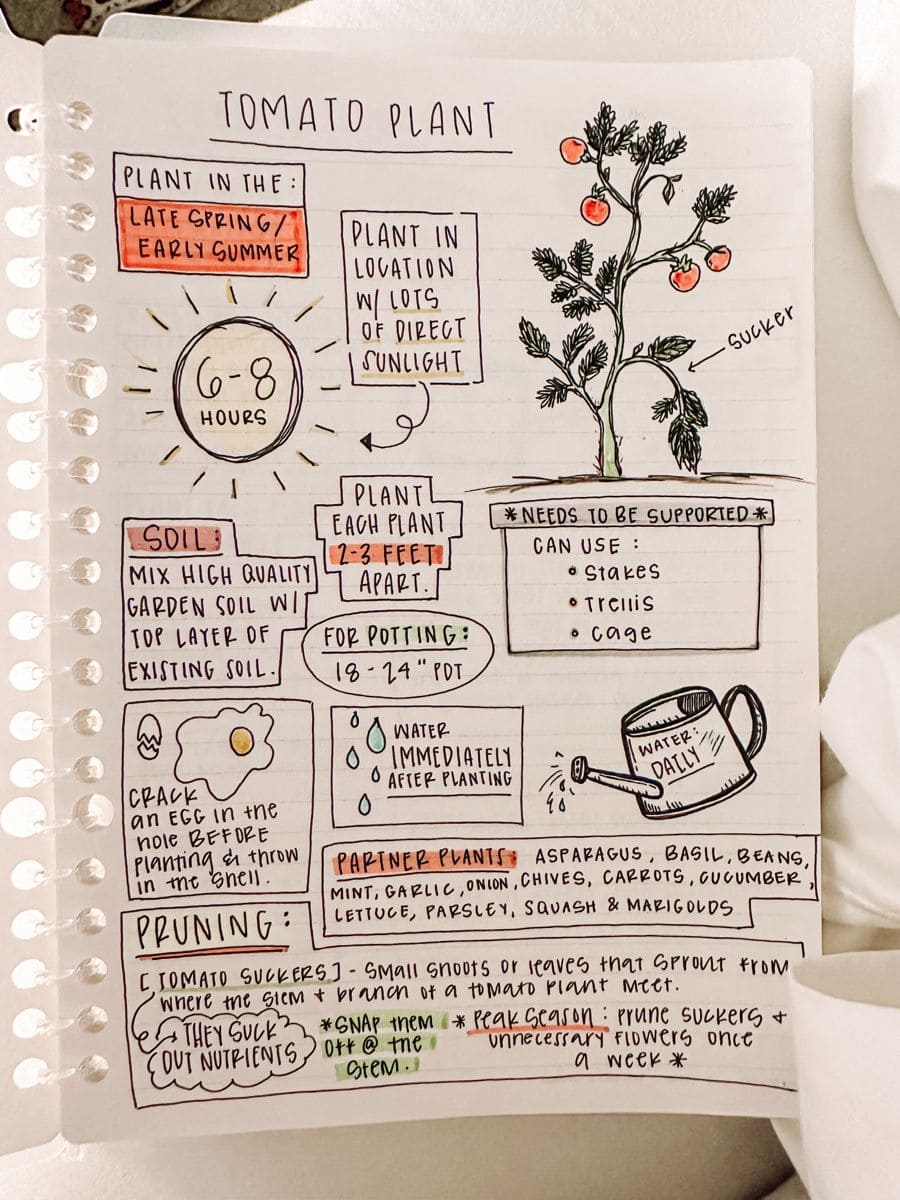
Memory can be fuzzy when you’re juggling dozens of plants. Make it easy for yourself by drawing a simple sketch of your garden beds each spring.
Label what goes where, and keep the notebook year after year. With just a quick glance, you’ll know exactly which family to avoid in each spot.
3. Start with a two-bed system if you’re new
If you’re overwhelmed by a four-year rotation, begin with just two beds.
Plant legumes in one, heavy feeders like tomatoes or peppers in the other. Next year, swap them. Even this small step can make a noticeable difference in soil health.
4. Pair rotation with soil builders
Compost and cover crops can supercharge your rotation. Adding compost between cycles replenishes organic matter, while cover crops like clover or rye help protect bare soil and add nutrients back in.
5. Adapt rotation to your space
You don’t need acres of farmland to benefit from crop rotation. Even raised beds, backyard plots, or container gardens can use the same principle.
For containers, rotate what you plant in each pot from year to year or refresh the soil if rotation isn’t possible.
3 Mistakes to Avoid
Growing tomatoes, then peppers, then eggplants in the same spot is one of the most common mistakes. Remember, they’re all nightshades and carry the same pests and diseases.
Besides, you might think you’ll remember where the lettuce went last year, but trust me, you won’t. Keep notes to save yourself from guesswork.
Finally, crop rotation is about long-term soil health. You may notice fewer pests or stronger plants within a year, but the real magic happens over several seasons.