
Toxic flowers can be breathtaking, but some of the most beautiful blooms hide a dangerous side. These plants may brighten gardens and homes, yet they contain substances that can harm pets, children, or even adults if touched or ingested.
Learning about toxic flowers is not about avoiding them completely but about being aware and prepared. Many of these plants are popular in landscaping, bouquets, and even symbolic traditions.
Knowing their risks helps you enjoy their beauty safely. Here are 13 beautiful flowers that contain toxins. Take note of their unique traits and learn how to handle them responsibly so your garden remains a safe and vibrant place.
#1 Daffodil (Narcissus)
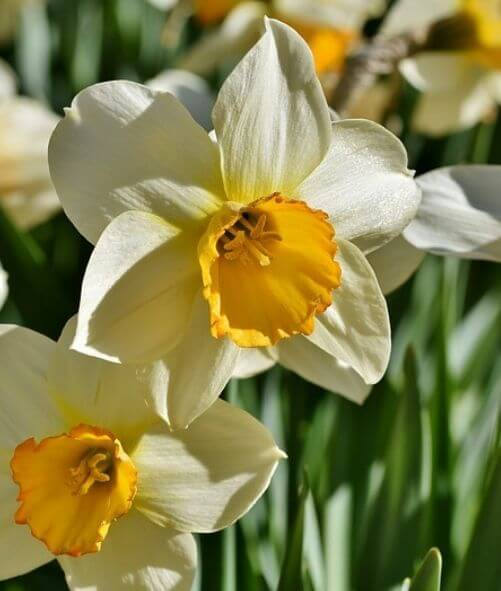
Daffodils are cheerful spring flowers, but their bulbs contain toxic compounds. Eating them may lead to vomiting, diarrhea, tremors, or even heart rhythm issues. If you plant daffodils, wear gloves when handling bulbs to avoid skin irritation.
Keep them out of reach from pets and small children. They thrive best in sunny spots with well-drained soil, making them a favorite in borders and spring displays.
#2 Azalea
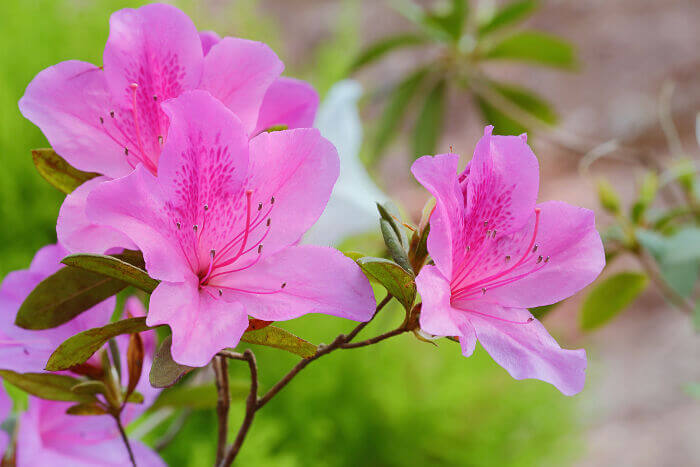
Azaleas offer bright, showy blooms yet every part of the plant can be harmful. Ingesting flowers, leaves, or stems may trigger nausea, abdominal pain, or breathing difficulties.
Pets are particularly vulnerable, so avoid planting them where animals roam. They do best in acidic soil with partial shade. Despite their toxicity, azaleas are still admired for their beauty in ornamental gardens.
#3 Lily of the Valley
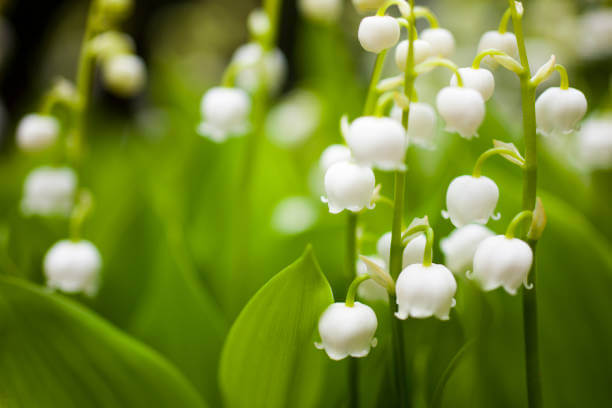
Lily of the Valley charms with delicate white bells but hides cardiac glycosides in every part. Eating even small amounts can cause vomiting, blurred vision, or dangerous changes in heart rhythm.
If you grow them, place them in shaded, moist areas where children and pets cannot reach. Their fragrance and classic look make them popular in cottage-style gardens, but always handle them with care.
#4 Lantana
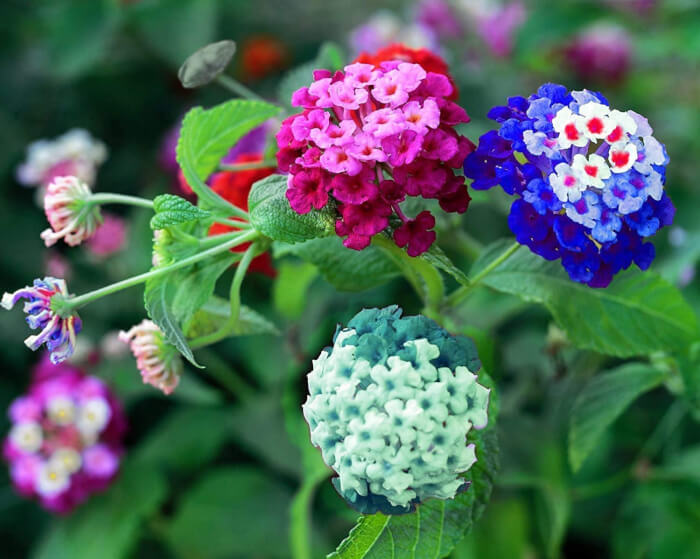
Lantana bursts with color and attracts butterflies, yet it carries toxins harmful to the liver. Eating leaves or berries can cause vomiting, weakness, or liver failure in animals.
To grow safely, keep lantana in sunny spots and prune regularly. Its vibrant clusters of flowers make it a common choice for borders and pots. Still, use caution if you have curious pets nearby.
#5 Hydrangea
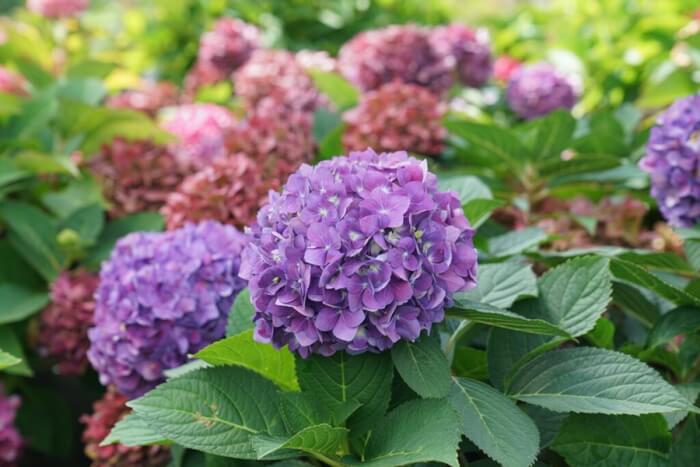 Hydrangeas create lush, colorful displays but contain cyanogenic compounds. Large amounts can cause digestive distress in pets, including vomiting or lethargy.
If you grow them, choose a partially shaded location and enrich the soil for vibrant blooms. Their beauty makes them a popular choice for cut arrangements, but avoid leaving clippings where pets might chew them.
#6 Wisteria
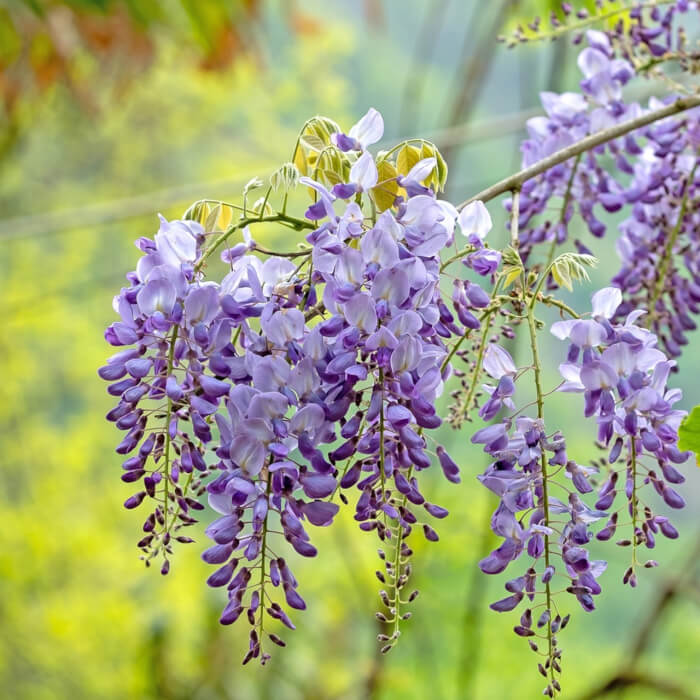 Wisteria vines are breathtaking when in bloom, yet every part of the plant is toxic, especially the seeds. Eating just a few can result in stomach pain, vomiting, or drowsiness.
If you train wisteria on pergolas or trellises, place it where children and pets won’t access the fallen seed pods. Despite its risks, many gardeners cherish its cascading flowers in purple or white.
#7 Morning Glory

Morning Glories add charm with their trumpet-shaped blooms, but some species have poisonous seeds. They contain alkaloids that can cause vomiting, diarrhea, or liver issues if eaten in large amounts.
These climbers thrive on fences and trellises in full sun. To grow them safely, collect seeds promptly, and keep them away from pets and children.
#8 Clematis
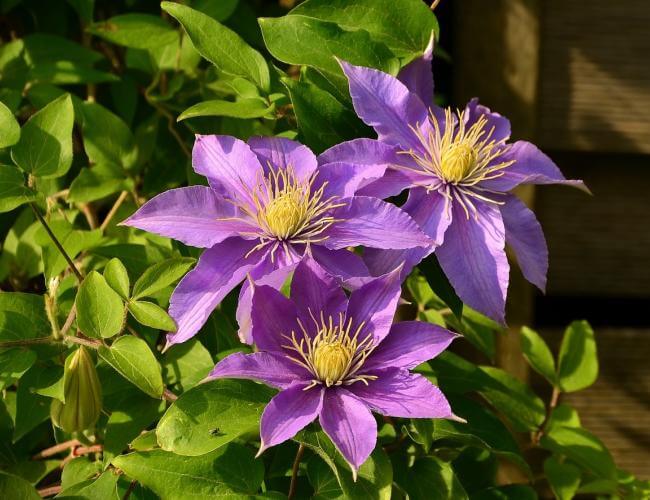
This flower is rather mild but toxic; clematis is poisonous. When touched or consumed, the toxin called anemonin (irritant glycoside) affects both pets and humans.
It can cause dermatitis in some people after contact, a mild burning sensation, and an ulcer in the mouth if eaten. And while pruning clematis, care to wear gloves.
It also affects the pets and causes nausea and drooling. Clematis has a bitter taste, so pets don’t touch it!
#9 Calla Lily
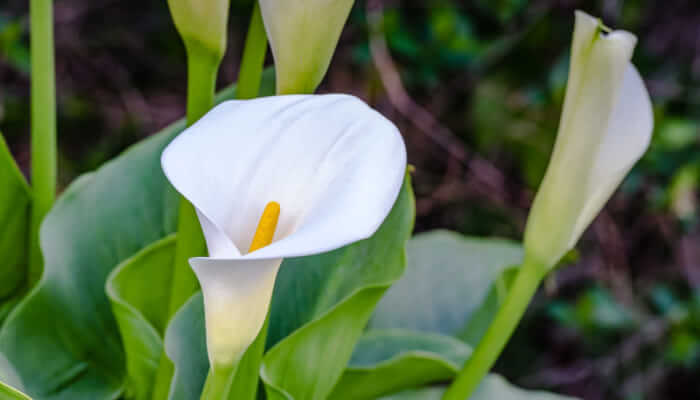
Calla lily can be an excellent cut flower and looks beautiful; its leaves are edible after cooking.
According to North Carolina State University, all parts of the calla lily are poisonous and contain calcium oxalate crystals.
Because of this, eating any part of the plant raw can cause swelling of the lips, tongue, and throat. Similar symptoms occur in animals if they eat it.
#10 Periwinkle
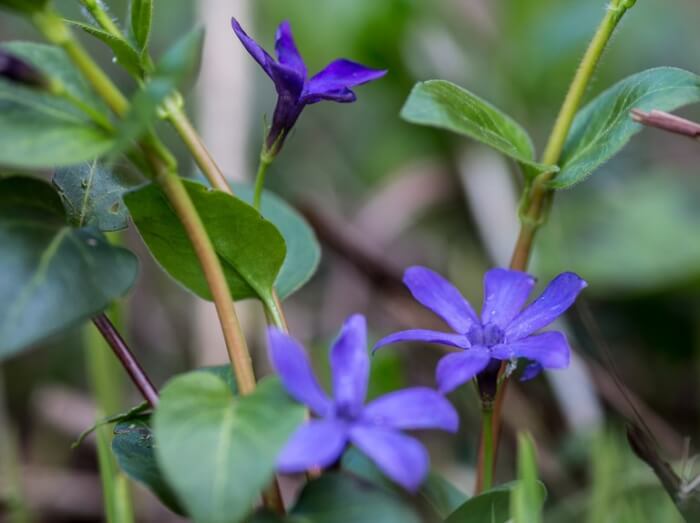
Periwinkle, often grown as groundcover, carries alkaloids that affect blood pressure. While small amounts are used in traditional medicine, eating too much may lead to low blood pressure and dizziness.
Grow it in shaded or sunny spots as a trailing plant, but avoid using it in areas where kids or pets might snack on leaves. Its star-shaped blooms are undeniably charming, making it a gardener’s favorite.
#11 Calotropis
Calotropis produces striking flowers, but the milky latex it releases is highly irritating. Contact with the eyes can cause severe pain or even temporary blindness. Always wear gloves when handling or pruning the plant.
It grows easily in dry, warm conditions, which is why it often appears in tropical gardens. Its beauty is striking, but it must be respected for its risks.
#12 Foxglove
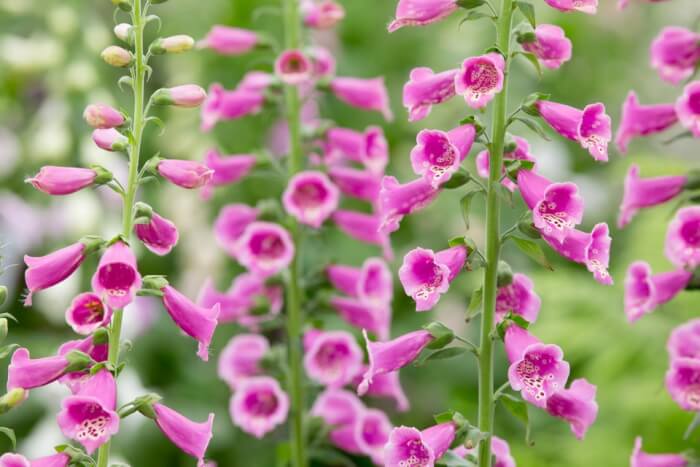
Foxgloves are used to prepare medicines; all parts of the plant are mildly poisonous and contain digitalis glycoside, digitoxin, and deslanoside to use in heart medicine.
However, if you ingest a particular amount of foxgloves, it can cause headache, stomach pain, and fainting.
#13 Oleander
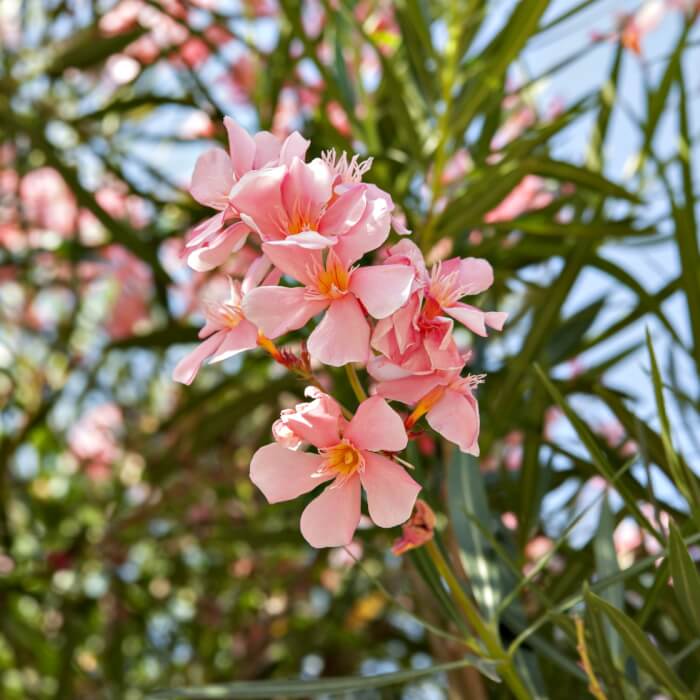
Oleanders are charming, fragrant, and loved by homeowners. They bloom in white, pink, yellow, or red. But be careful if you have kids; just eating a meager amount of this toxic flower can be dangerous.
Because all parts of oleander are extremely poisonous if ingested, even the smoke burned from its wood is toxic. Symptoms of poisoning include dehydration, fever, slow heartbeat, tremors, and death is also possible.