
Nitrogen fixing plants are one of the easiest ways to keep your garden soil fertile without relying on chemical fertilizers. These plants work with beneficial bacteria in their roots to capture nitrogen from the air and release it into the soil.
By growing them, you help surrounding plants thrive with stronger leaves, healthier roots, and more abundant harvests.
Unlike synthetic fertilizers that may disrupt soil health, nitrogen fixing plants restore balance naturally. Many of them also bring beautiful flowers, lush foliage, or even edible harvests, so they offer more than just soil improvement.
You can grow them in containers, raised beds, or directly in garden soil with very little effort. Here are 12 excellent nitrogen fixing plants you can grow to enrich your garden.
#1 Partridge Pea
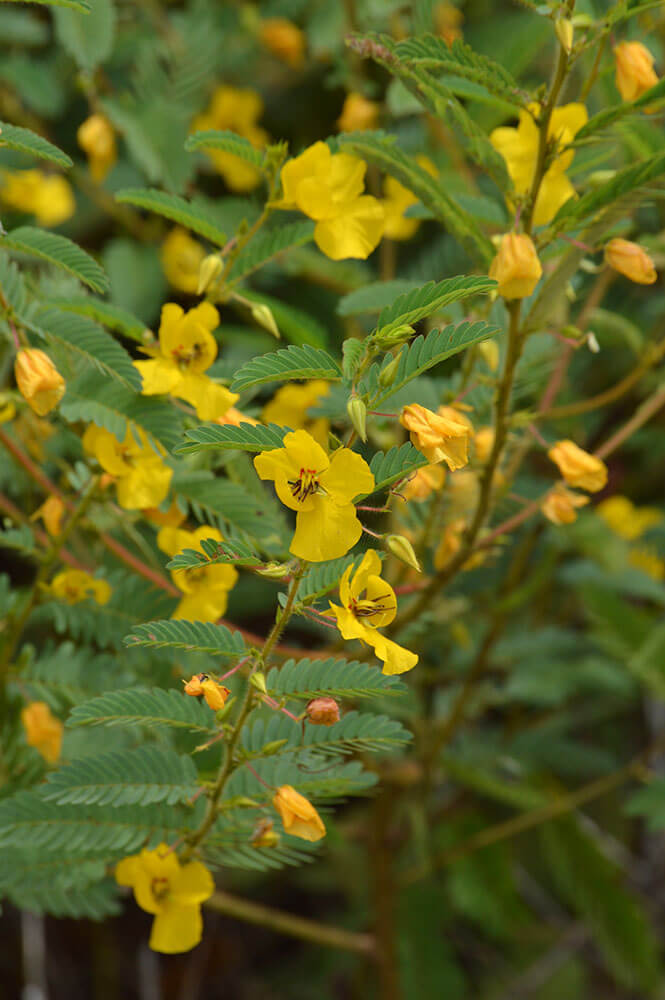
Partridge Pea thrives in sandy soil and is hardy across zones 3–9. Its cheerful yellow blooms brighten gardens from May to October and attract pollinators.
You can grow it along pathways or in wildflower mixes to improve both beauty and soil health. Plant seeds directly in the ground in spring for best results.
Even when frost arrives, this plant can withstand the chill. It’s a reliable and attractive nitrogen fixer for large or small spaces.
#2 Texas Bluebonnet
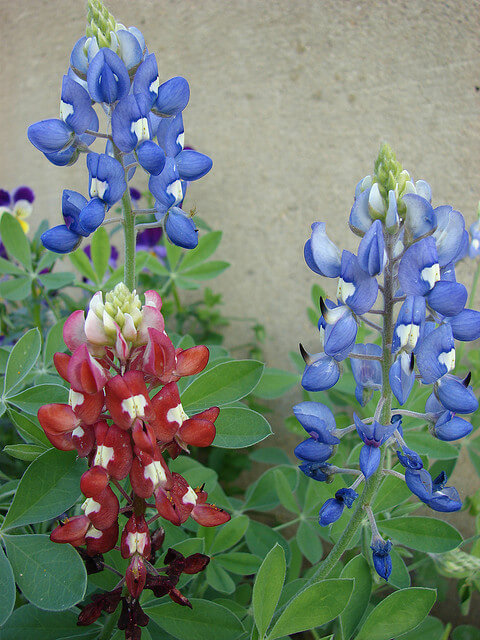
The Texas Bluebonnet is more than a state symbol; it’s also a nitrogen powerhouse. Each spring, its vivid blue flowers transform garden beds into breathtaking displays. As a legume, it quietly improves the soil while offering a show of color.
Sow seeds in well-drained soil during the fall for a spectacular spring bloom. You’ll not only enjoy its beauty but also healthier soil for your vegetables and ornamentals. This plant proves that practical and stunning can go hand in hand.
#3 Golden Lead Ball Tree
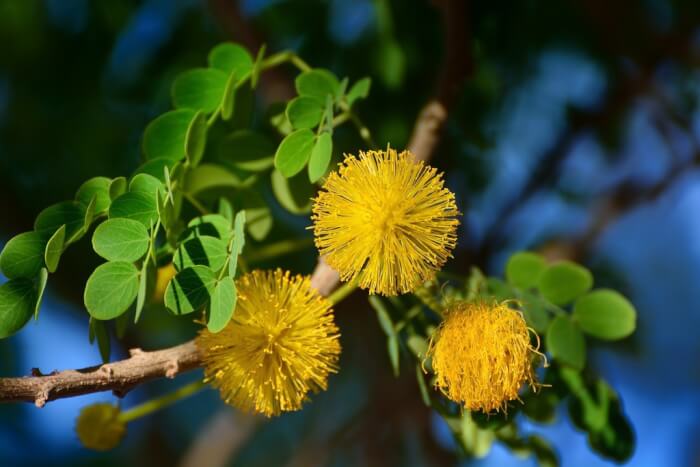
Golden Lead Ball Tree is a great choice for warmer climates in zones 7–9. Its fuzzy golden blooms stand out against pale green leaves, adding drama to any yard. At the same time, its roots fix nitrogen and enrich the surrounding soil.
Plant it in full sun and watch it flourish with minimal fuss. Regular pruning helps keep it shaped and manageable. It’s an ornamental tree that gives you beauty and better soil in one package.
#4 Southern Peas
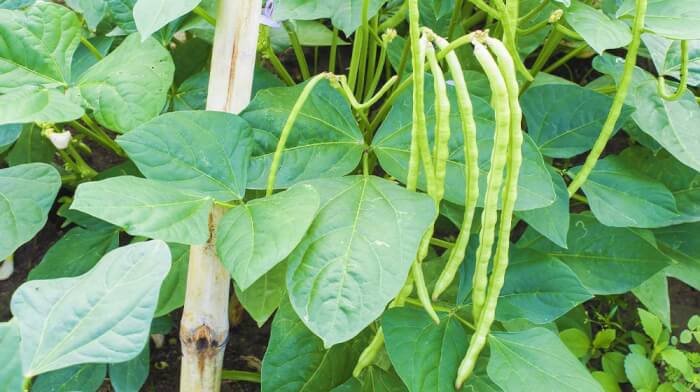 Southern Peas, including black-eyed peas and purple hulls, are both food and soil enhancers. They thrive in warm seasons and adapt to many soil types with ease. Plant them in rows for an edible cover crop that also boosts nitrogen levels.
Harvest the pods when they’re plump, or let them mature for dried beans. They are simple to grow, shell, and enjoy. With Southern Peas, you gain a nutrient-rich garden and delicious meals.
#5 Lindheimer’s Senna
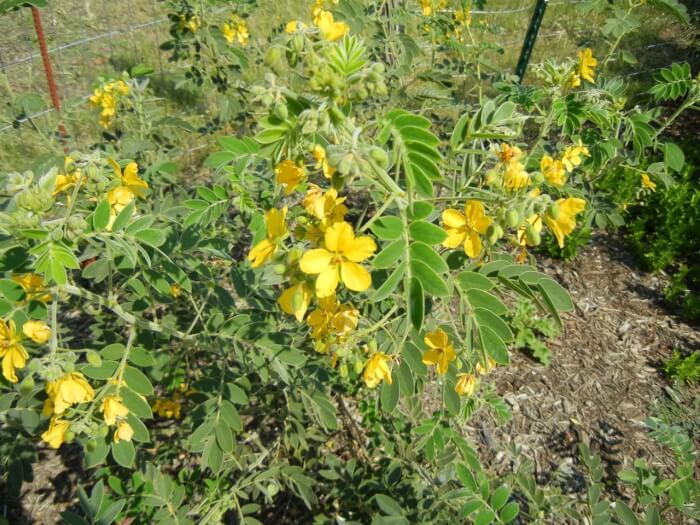
Lindheimer’s Senna adds charm with bright yellow flowers and unique pinnate leaves. It blooms from August to October, bringing color to late-summer gardens.
This plant thrives in dry, stony soils, making it perfect for areas where little else grows. Sow seeds in well-drained ground and water lightly until established.
Once mature, it requires little care but gives back by fixing nitrogen. It’s a practical way to green up poor soil patches while adding vibrant flowers.
#6 Hairy Vetch
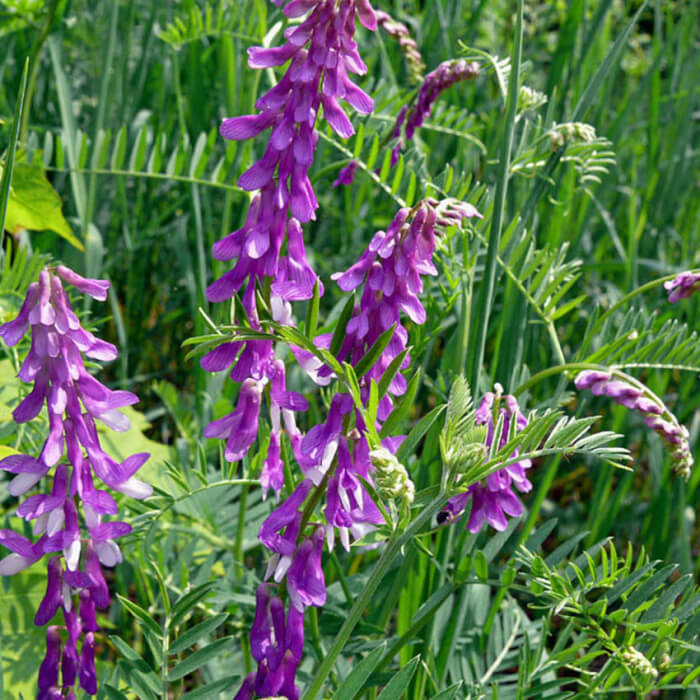
Hairy Vetch is a cold-climate favorite that works well in cover crops. Its sprawling growth quickly covers the soil, protecting it from erosion and improving fertility. Sow seeds in the fall to let them establish before winter.
In spring, till them back into the soil for a nitrogen boost. The purple blooms also attract bees and beneficial insects. With Hairy Vetch, you can nourish the soil while supporting local pollinators.
#7 Texas Mountain Laurel
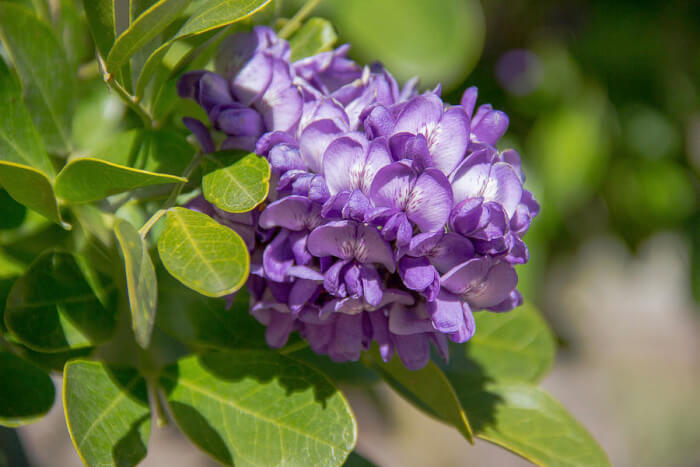
Texas Mountain Laurel dazzles with clusters of purple, grape-scented flowers in zones 7–10. Beyond its beauty, it enriches soil naturally with nitrogen. Plant it in sunny spots with well-draining soil for the best growth.
Water young plants regularly, then reduce watering once established. Its evergreen foliage offers year-round appeal, making it both functional and decorative. Gardeners love this plant for its fragrance, color, and soil-healing power.
#8 White Sweet Clover
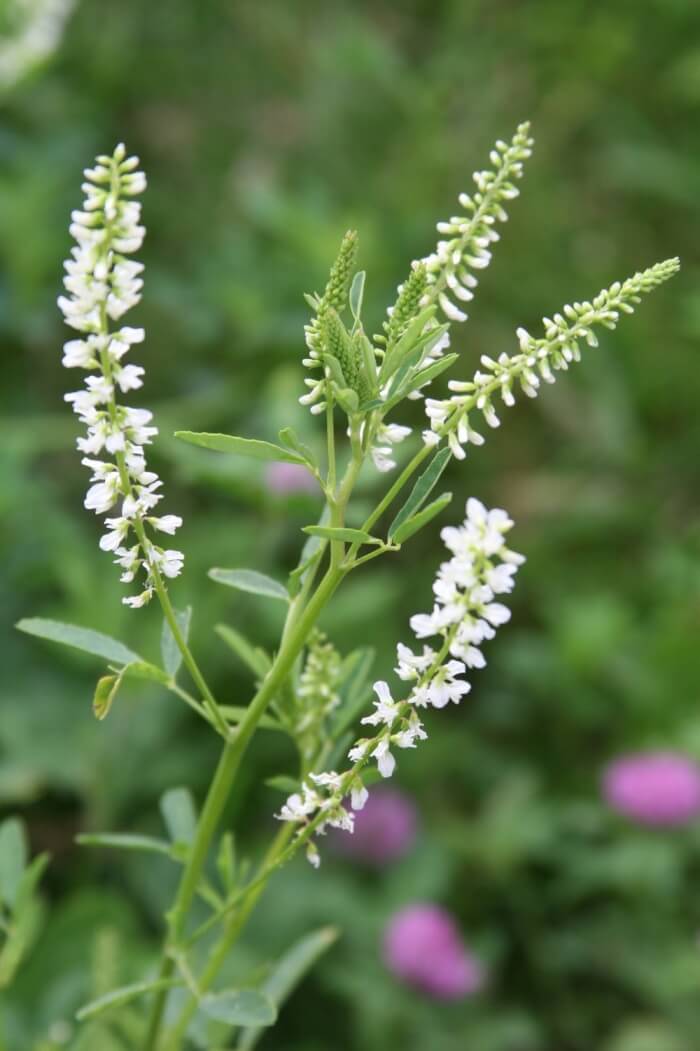
White Sweet Clover stands tall with fragrant flowers that bees can’t resist. It thrives in tough conditions, tolerating drought and resisting rust. You can sow it in open fields, borders, or unused spaces to enrich the soil.
Mow or till it into the ground before it sets seed to release nitrogen. With regular care, it doubles as a pollinator magnet and a soil improver. This clover is as practical as it is charming.
#9 Peanuts
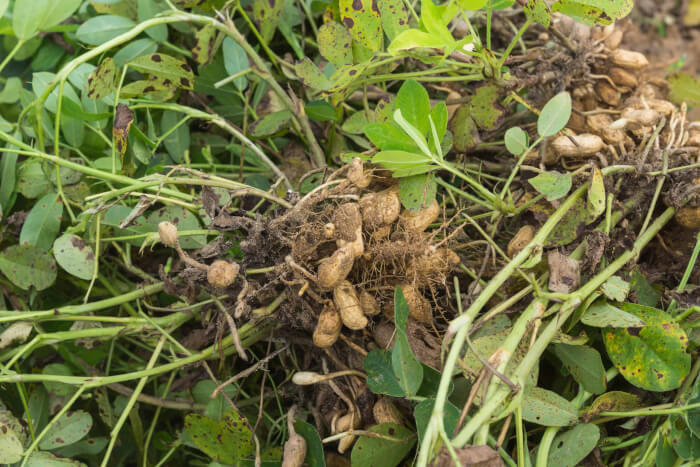
Peanuts are more than snacks; they’re excellent nitrogen fixers for the garden. As legumes, they replenish soil nutrients while producing edible nuts. Plant seeds in sandy, well-drained soil during warm weather for best results.
Hill soil around the base as they grow to encourage pod development. By harvest time, you’ll have both healthy soil and a tasty reward. It’s a crop that nourishes you and your garden alike.
#10 Anacacho Orchid Tree
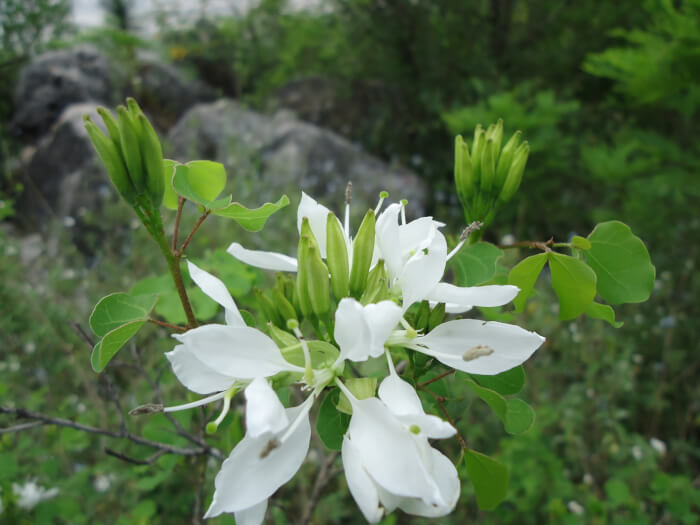
Anacacho Orchid Tree delights with delicate white blossoms that resemble folded hearts. It thrives in zones 8–11 and prefers sunny, well-drained sites. While adding elegance to the landscape, its roots quietly enrich the soil with nitrogen.
Plant young trees in spring and water regularly until established. Once mature, they need little care beyond occasional pruning. This tree is proof that ornamental plants can also improve garden health.
#11 Crimson Clover
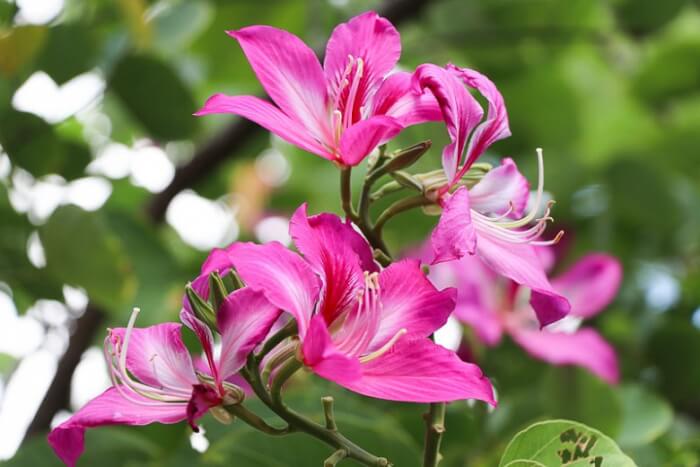
Crimson Clover is famous for its vibrant red flower heads that stand out in any garden. It grows quickly and fixes nitrogen efficiently, making it a popular cover crop. Sow seeds in early fall for spring blooms or in spring for summer growth.
Mow or till the plants before seed set to release nutrients back into the soil. Its blossoms also attract bees, adding life and color to your garden. Crimson Clover is both practical and eye-catching.
#12 Redbud
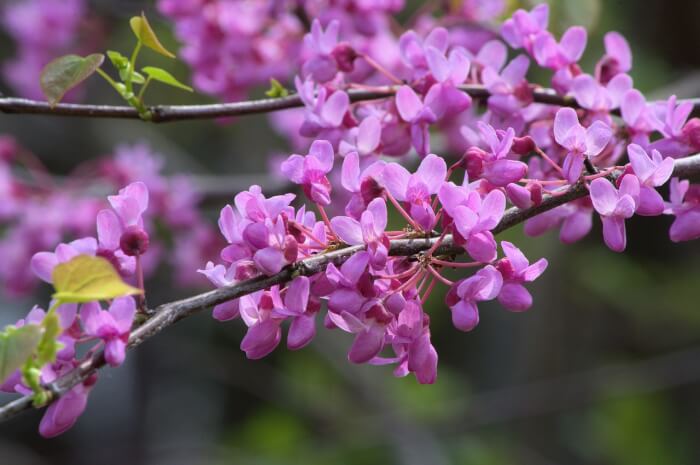
Redbud trees light up spring with their purple-red buds and heart-shaped leaves. They thrive in zones 4–8 and provide nitrogen benefits to the soil. Plant them in well-drained soil with access to full sun or partial shade.
Water regularly in the first year, then less often as they mature. Their unique seed pods and vibrant flowers make them a standout choice for ornamental landscapes. Redbuds bring long-term beauty while supporting healthier soil beneath.