
Squash is one of the easiest vegetables to grow, but pairing it with the wrong plants can limit its growth and reduce your harvest.
Companion planting is powerful, and just as some plants boost squash, others compete for nutrients, attract pests, or interfere with pollination. Knowing which plants to avoid is just as important as knowing the best partners.
In this guide, you’ll learn about 5 plants you should not grow with squash. Each one might seem harmless on its own, but planting them nearby can cause stunted growth, pest problems, or reduced yields.
By keeping these away from your squash patch, you’ll give your plants more room, water, and nutrients to thrive.
#1 Cucumber
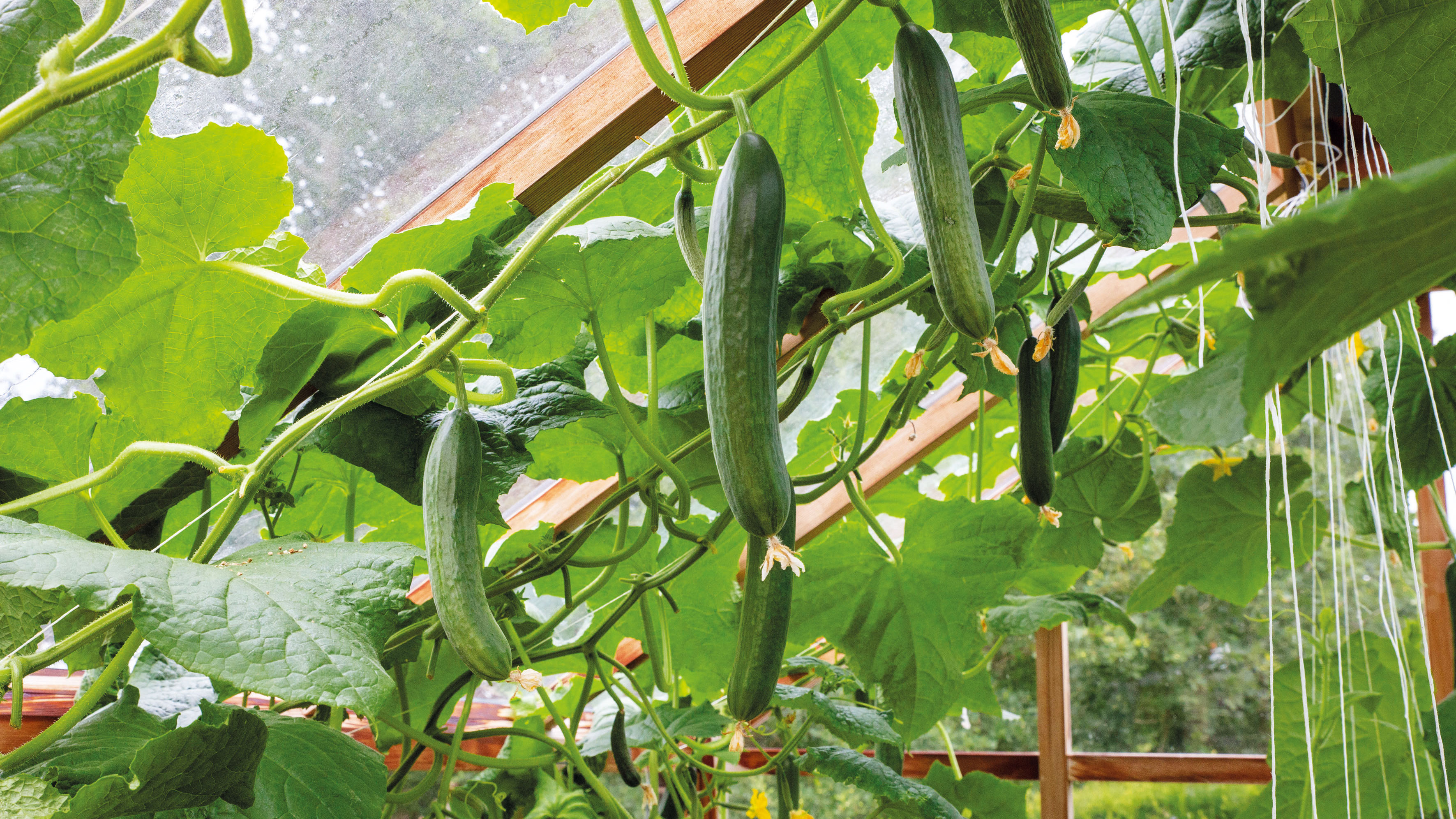
Cucumbers and squash may look like they belong together, but they compete for the same nutrients and water. When planted side by side, cucumbers often absorb more moisture, leaving your squash plants stressed and dry.
This competition can lead to smaller fruits and weaker vines. To grow both successfully, give them separate beds with plenty of water.
Mulching around each plant will also help lock in soil moisture. Keeping them apart ensures each crop gets what it needs.
#2 Fennel
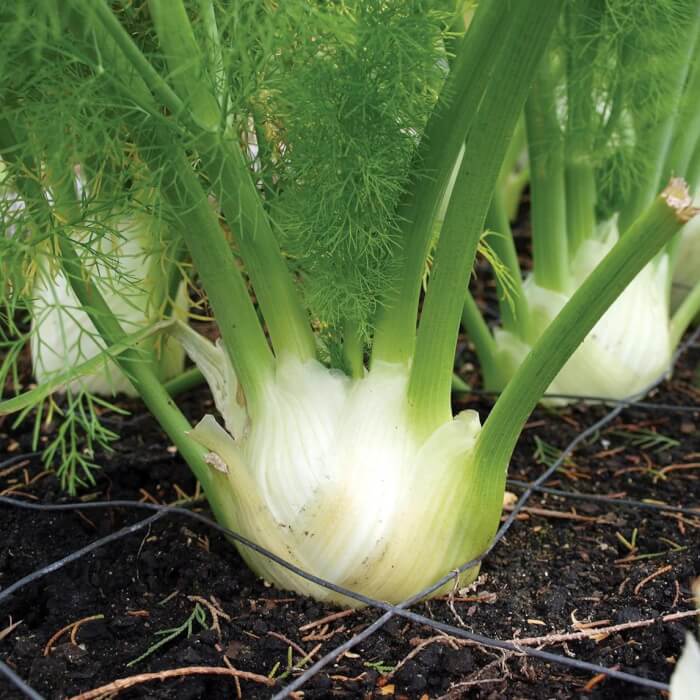
Fennel is famous for attracting beneficial insects, but it also releases natural compounds that slow down the growth of nearby plants. When grown next to squash, it can inhibit root development and reduce yields.
If you enjoy fennel in your garden, grow it in its own pot or a separate garden bed. Harvesting the seeds regularly will prevent it from spreading too much. Keeping it away from squash will allow both plants to thrive without interference.
#3 Brassicas
Potatoes and squash both demand rich soil, but when planted together, they compete fiercely for nutrients. Their root systems can also tangle underground, making it harder for squash roots to spread.
Potatoes are prone to diseases that can easily transfer to other crops, putting squash at risk. It’s best to keep potatoes in their own area, ideally in a different bed or large container.
Rotate potato planting spots each year to keep the soil healthy and avoid disease buildup.
#4 Potatoes
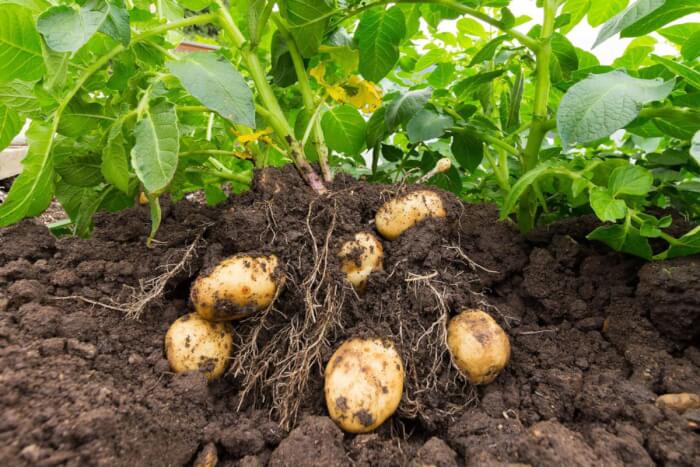
Potatoes and squash both demand rich soil, but when planted together, they compete fiercely for nutrients. Their root systems can also tangle underground, making it harder for squash roots to spread.
Potatoes are prone to diseases that can easily transfer to other crops, putting squash at risk. It’s best to keep potatoes in their own area, ideally in a different bed or large container.
Rotate potato planting spots each year to keep the soil healthy and avoid disease buildup.
#5 Pumpkin
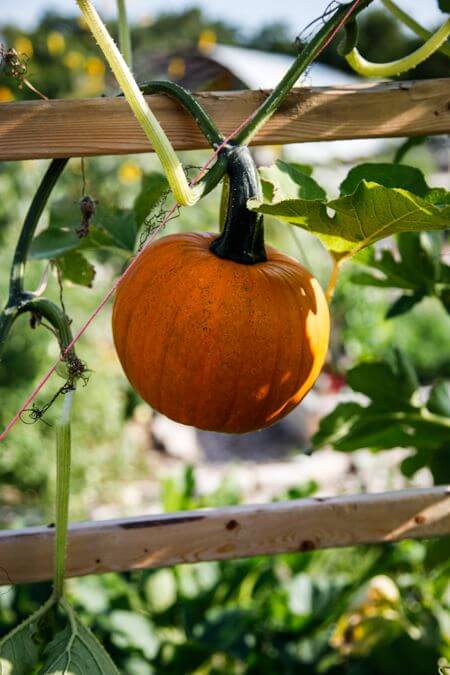
Pumpkins and squash are close relatives, and planting them together often causes cross-pollination. This results in fruits that are less flavorful and sometimes oddly shaped.
Both also sprawl aggressively, quickly overtaking garden space and choking each other out. If you’d like to grow both, place them far apart or on opposite ends of your garden.
Giving each plant its own trellis or plenty of ground space will help prevent overcrowding. Keeping them separate means healthier harvests of each.