
When the air feels sticky and your skin won’t stop sweating indoors, it might not just be the heat; it’s the humidity. Too much moisture in the air can lead to discomfort, mold, and a rise in allergens that quietly disrupt your well-being.
But nature has a gentle fix. Some houseplants naturally pull water from the air, offering a subtle, green solution to reclaim your comfort.
These dehumidifying plants don’t just help regulate moisture; they also freshen up your space with cleaner air and a calming aesthetic.
If you’re searching for a way to balance your indoor environment, these humble plants might just be the quiet allies you’ve been looking for. Here are 8 of the best choices to start with.
#1 Boston Fern
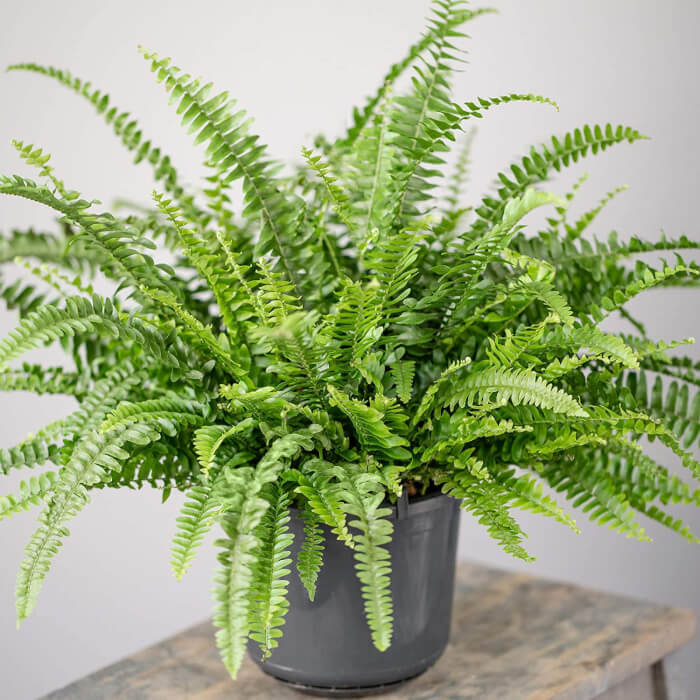 Source: Ubuy
Boston Fern is a natural at absorbing moisture and filtering out airborne irritants like formaldehyde and xylene. It’s especially helpful in damp rooms, where its fronds thrive and soften the atmosphere.
Place it in a bright spot with indirect sunlight and keep its soil moist for consistent growth. A shallow tray of water underneath can boost humidity right around the plant without overwhelming your space.
This fern is as functional as it is graceful.
#2 Reed Palm
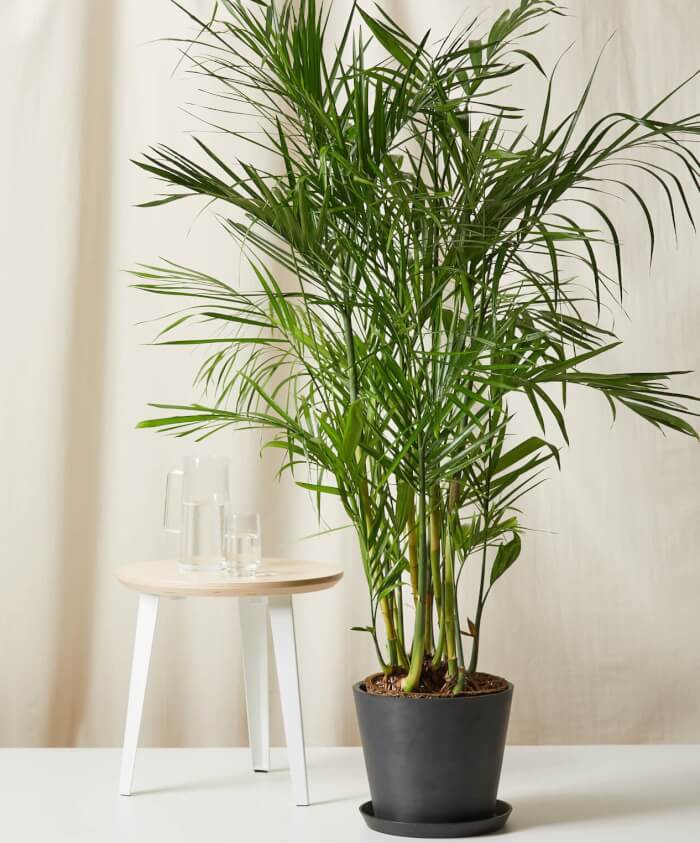 Source: Bloomscape
Reed Palm quietly draws in moisture, making it a smart addition to areas that feel clammy or musty. Its feathery leaves don’t just clean the air, they help lower humidity levels too.
With a mature height of about 5 to 7 feet, it brings vertical interest to corners and brightens low-light rooms. Light watering and occasional misting help it settle in easily. Over time, it becomes both a subtle air purifier and a lush statement piece.
#3 Tillandsia
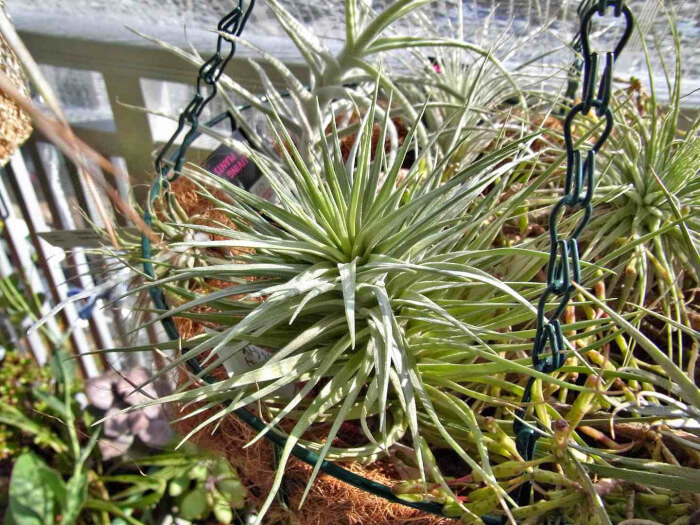 Source: Thespruce
Also known as air plants, Tillandsia absorb water and nutrients directly from the air through their leaves. They don’t need soil, making them versatile for wall displays, glass terrariums, or suspended planters.
A gentle soak in water once or twice a week keeps them hydrated. They flourish in bright, filtered light and offer a sculptural element while helping balance indoor humidity.
These little botanicals are practically maintenance-free and endlessly creative.
#4 Spider Plant
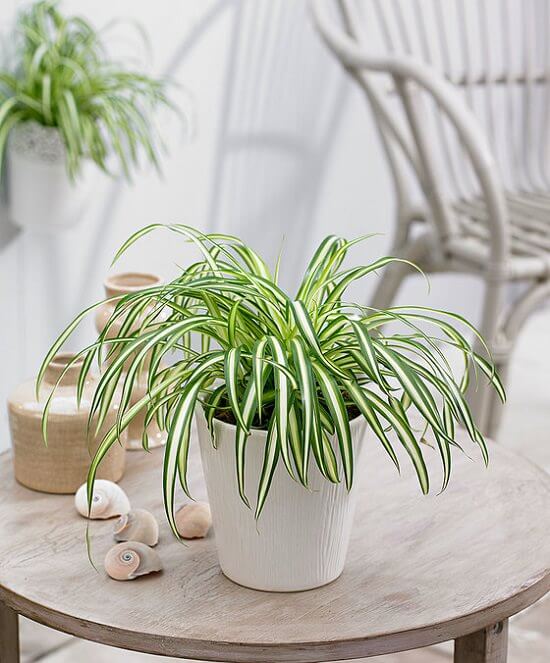 Source: Architectureartdesigns
Spider Plant is an adaptable houseplant that naturally absorbs moisture and reduces toxins like formaldehyde. Its long, arching leaves bring a fresh look to bookshelves or hanging baskets.
Water lightly when the top inch of soil feels dry, and give it a bit of indirect sunlight each day. It sends out baby plants that you can repot and grow elsewhere. Easy to care for and quick to grow, it keeps your air feeling light and breathable.
#5 Epiphytes
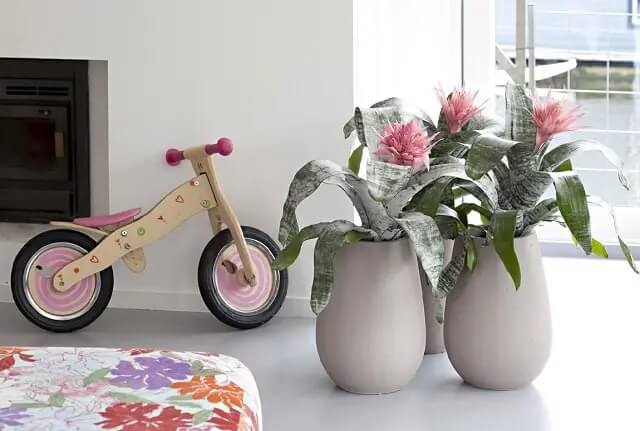 Source: Balconygardenweb
Epiphytes don’t root in soil; instead, they draw their moisture and nutrition from the air. That habit makes them perfect allies in a damp room where they gently absorb ambient humidity.
Orchids and bromeliads fall into this group and often prefer moderate to bright indirect light. Mounting them on bark or placing them in breathable containers helps mimic their natural environment.
They also add a bit of botanical intrigue to your décor.
#6 English Ivy
 Source: Indoorplantshop
English Ivy works quietly in the background, removing toxins and drawing moisture from the air to nourish itself. Its trailing vines thrive in hanging pots or trained along windowsills.
Choose a spot with filtered sunlight and keep the soil lightly moist for steady growth. It’s known to ease airborne mold and is especially helpful in bathrooms or laundry rooms. A little pruning now and then keeps it neat and full.
#7 Peace Lily
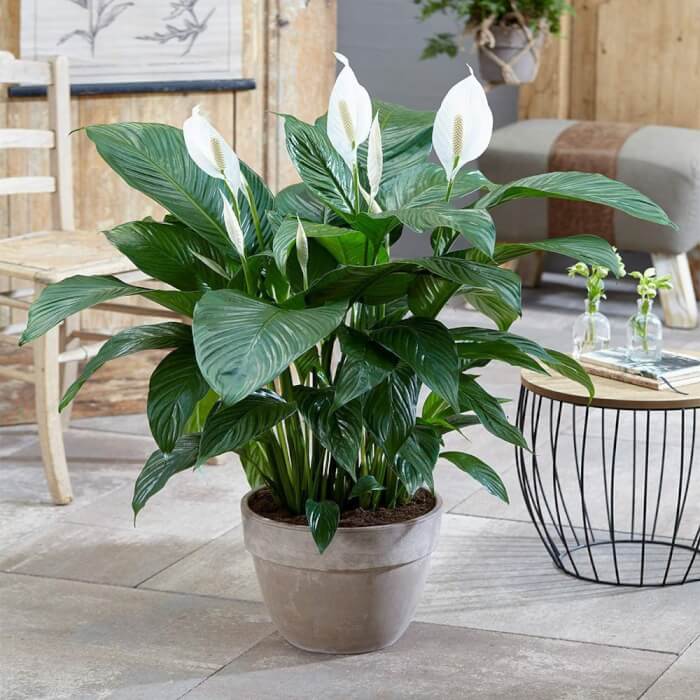 Source: Amazon
Peace Lily isn’t just known for its elegant white blooms; it also filters alcohols, benzene, and excess humidity from indoor air. Its wide, dark leaves soak in moisture and help rebalance heavy indoor environments.
It prefers low light and consistently moist soil, so it’s a great fit for dim corners. Wipe the leaves gently every so often to help them breathe. Its calming presence makes any space feel a little more restful.
#8 Xerophytes
 Source: Homedecorgardeninngflowers
Xerophytes like aloe vera and some succulents are adapted to store water in dry environments, but they’re surprisingly good at pulling moisture from the air. Their waxy leaves help trap humidity, making them a smart choice for overly damp rooms.
These plants prefer bright light and infrequent watering, thriving in well-drained containers. If your space feels muggy but gets good sun, xerophytes offer a clean, sculptural solution that’s easy to maintain.