
Plants often surprise us with their beauty, fragrance, or usefulness, but some of them take nature’s creativity to another level. Believe it or not, there are unique plants that look like human body parts, and seeing them up close feels both strange and fascinating.
These natural wonders have shapes and details that mimic ears, lips, eyes, brains, or even skulls, leaving you in awe of how playful nature can be.
They not only spark curiosity but also remind you that plants are full of mysteries beyond the ordinary greens you see every day.
If you enjoy exploring the unusual side of the plant world, these species will certainly grab your attention. Take a look and discover just how much they resemble us.
#1 Auricularia Auricula
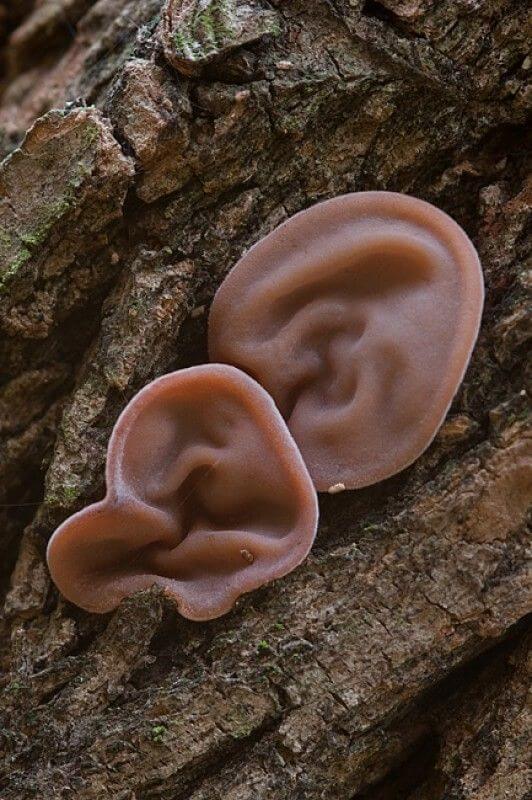
Auricularia Auricula, often called wood ear fungus, has a striking resemblance to the human ear. Its texture is soft and rubbery when fresh, almost like cartilage, but once it dries, it becomes tough and brittle.
You can spot it growing on dead or decaying wood in damp forests. This mushroom is edible and often used in Asian cooking, especially in soups and stir-fries.
If you want to try growing it at home, provide a shaded, moist environment with plenty of rotting logs. It is one of the best examples of how nature mirrors human anatomy.
#2 Guarana
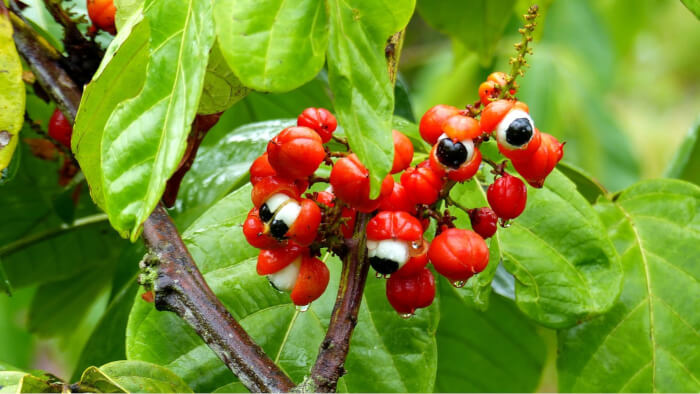
Guarana is a climbing vine that produces clusters of bright red fruits. Once the skin splits open, the white pulp and black seed inside look exactly like a staring eyeball. This eerie resemblance is what makes the plant so unique.
Beyond its appearance, guarana seeds are packed with caffeine and are widely used in energy drinks and supplements. If you plan to grow it, make sure you have a warm climate and a supportive trellis for climbing.
The plant is both intriguing to look at and highly valued for its stimulating properties.
#3 Devil’s Fingers Mushroom
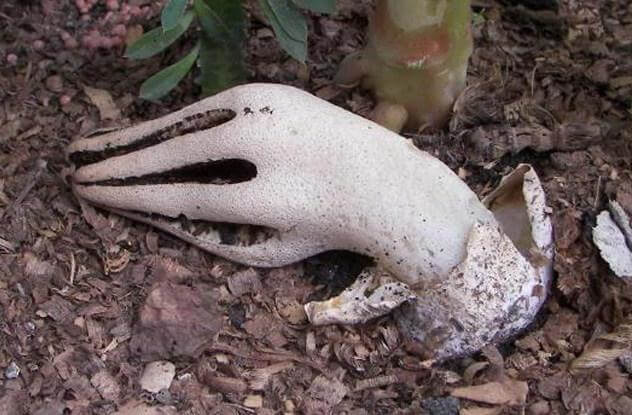
Devil’s Fingers Mushroom has an appearance that makes most people stop in their tracks. As it matures, the fungus develops bright red, finger-like arms that spread out like a corpse’s hand bursting from the ground.
The tips are covered in a dark slime called gleba, which releases a strong odor to attract flies for spore dispersal. You may find it unsettling, but it plays an important role in its ecosystem.
It grows best in damp soil with decaying organic matter. If you come across one, you’ll never forget its dramatic look.
#4 Psychotria Elata
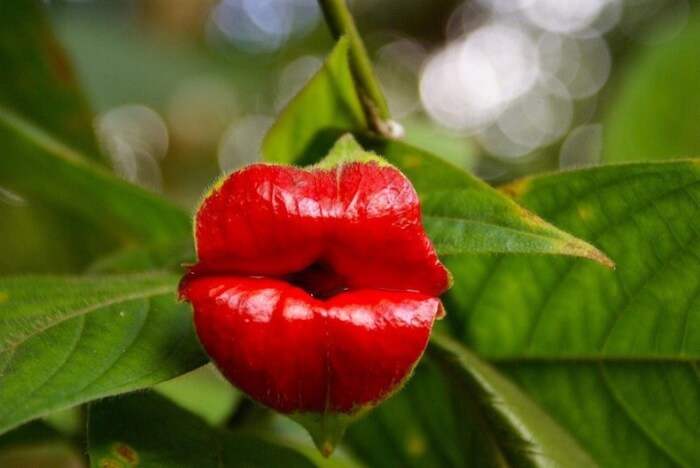
Psychotria Elata, also known as “Hooker’s Lips,” has become famous for its pouty, bright red bracts that look like luscious human lips.
The lip-shaped structures are not the actual flowers but protective coverings for the small white blooms hidden inside. This tropical plant thrives in rainforests of Central and South America, where it enjoys high humidity and partial shade.
Many people grow it for its novelty and striking beauty. To keep it healthy, ensure rich soil and regular watering. Its bold, kiss-like look makes it one of the most eye-catching plants in the world.
#5 False Morels
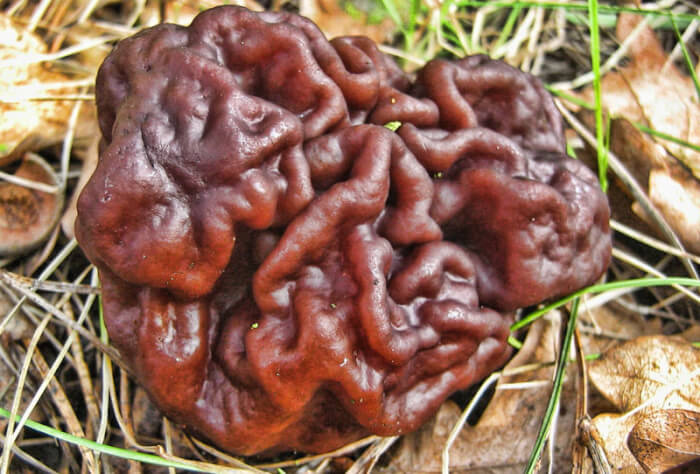
False Morels are mushrooms with deeply wrinkled, brain-like caps that instantly remind you of the human cerebral cortex. Their twisted folds and lobes make them look as though they carry intelligence within.
However, they are not safe to eat, as some species contain toxins that can cause severe illness. These fungi typically grow in spring and early summer in woodlands.
Foragers often confuse them with true morels, but the difference in texture is a key clue. Their uncanny resemblance to the human brain makes them a natural wonder worth observing, not consuming.
#6 Snapdragon
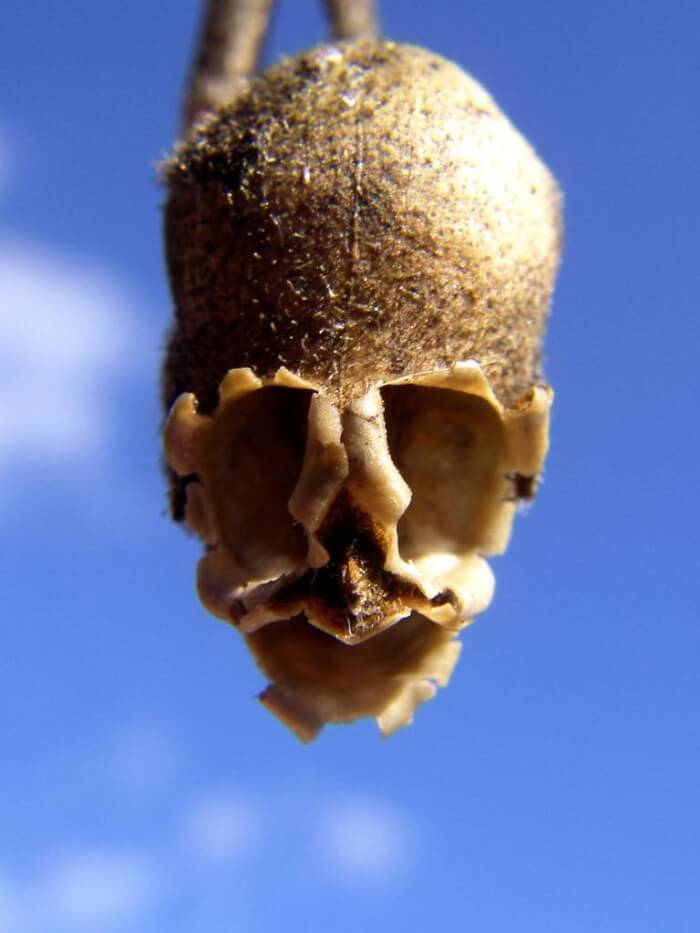
When Snapdragon flowers wilt and dry, they leave behind seed pods that look shockingly similar to tiny human skulls. This resemblance has inspired myths and legends throughout history, with many cultures associating them with life and death.
While alive, the plant produces vibrant, dragon-shaped blooms in shades of pink, yellow, red, or white. Snapdragons thrive in sunny spots with well-drained soil and are easy to grow from seed.
Kids often love squeezing the flowers to see the “dragon mouth” open and close. Once dried, their skeletal-like pods become a fascinating surprise hidden among the blooms.