
If you suffer from hay fever but still love gardening, allergy-friendly plants are the perfect solution. Many flowers and trees produce little to no airborne pollen, meaning you can design a lush and colorful garden without irritating your allergies.
Some even block or filter pollen coming from outside sources. By planting the right mix, you’ll have vibrant blooms, fresh fruit, and shade while keeping sneezes at bay. Here are some of the best plants to grow for a low-allergy landscape.
#1 Magnolias
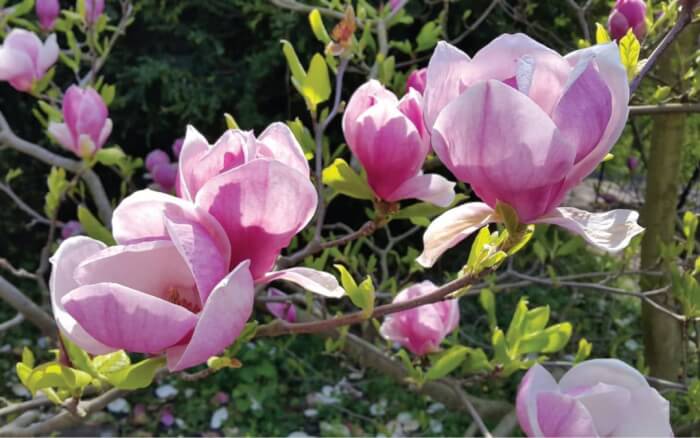
Magnolias are stunning trees with large white or pink blossoms that add elegance to any garden. They produce very little airborne pollen, making them a good option for allergy sufferers. These trees prefer full sun and well-drained soil.
You can plant them as a focal point in your yard or along a garden path for seasonal fragrance. Water them regularly when young to help roots establish. Once mature, magnolias provide both beauty and shade with minimal allergy risk.
#2 Petunias
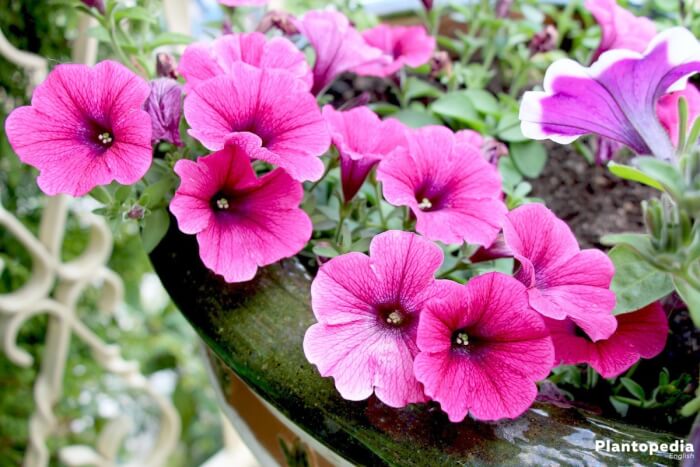
Petunias are bright, colorful flowers that thrive in containers, hanging baskets, and borders. They are considered low-allergy plants because their pollen is sticky and not easily airborne.
You can enjoy their blooms from spring through fall in full sun or partial shade. Plant them in rich, well-draining soil and water consistently to encourage long flowering.
Deadhead faded blooms to keep the plants looking fresh. With their bold colors, petunias brighten up patios and windowsills without triggering hay fever.
#3 Fuchsia
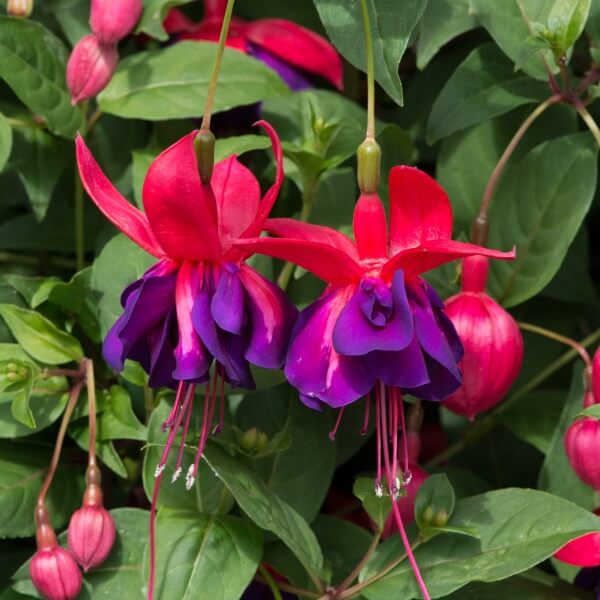
Fuchsia produces delicate, teardrop-shaped blooms in shades of pink, purple, and red that hang gracefully from arching stems. It’s an allergy-friendly plant because it produces minimal pollen and is often insect-pollinated.
You can grow it in hanging baskets or containers for a splash of color at eye level. Place it in partial shade and keep the soil evenly moist for best results.
Fuchsia flowers are also edible and can be used in homemade jams or desserts. This plant brings both charm and utility to an allergy-safe garden.
#4 Double-flowered Hollyhocks
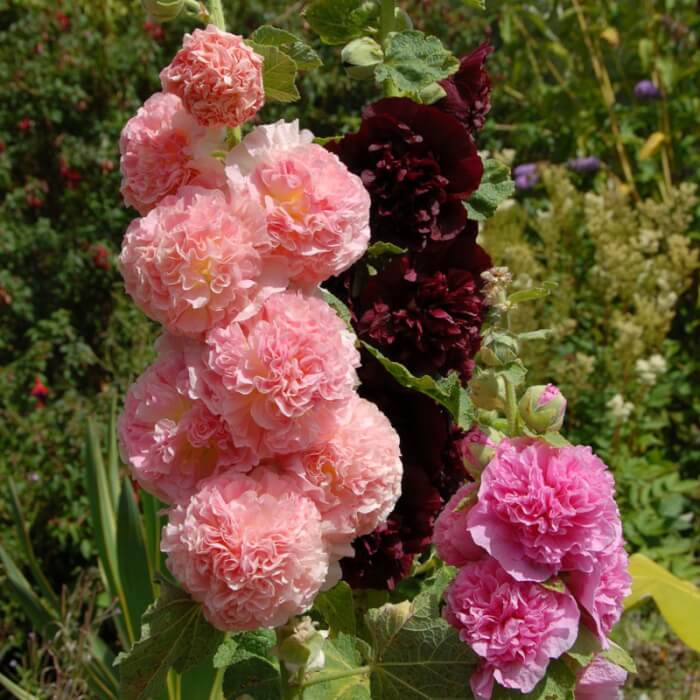
Double-flowered hollyhocks stand tall with layered blossoms that add drama to garden borders. Unlike single varieties, these produce less pollen, which makes them more suitable for allergy sufferers.
They attract beneficial insects while still keeping the pollen spread minimal. Plant them in full sun with rich, well-draining soil to enjoy their vertical display.
Stake the tall stems if needed to support heavy blooms. These towering flowers add height and color without overwhelming your allergies.
#5 Female Trees
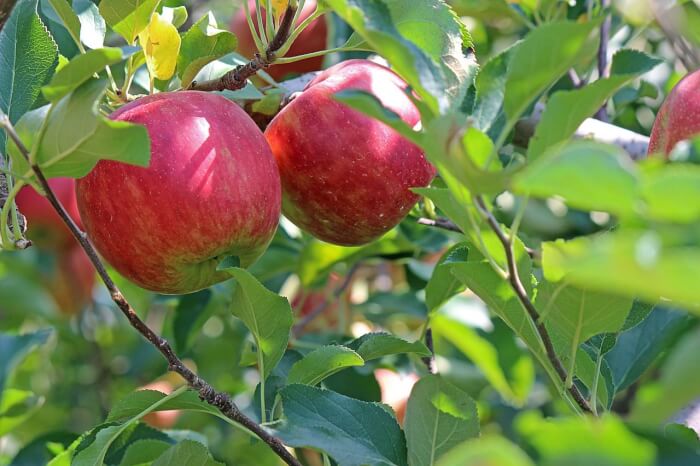
Female trees are a smart choice for allergy-friendly landscapes since they produce seeds and fruit instead of airborne pollen. Apple, pear, and other fruit trees are excellent examples.
Planting female trees ensures less pollen exposure while still enjoying blossoms and harvests. Be sure to choose varieties suited to your climate and soil conditions.
Prune them regularly for healthy growth and higher yields. Growing female trees helps reduce pollen in your garden while giving you fresh produce.
#6 Conifer
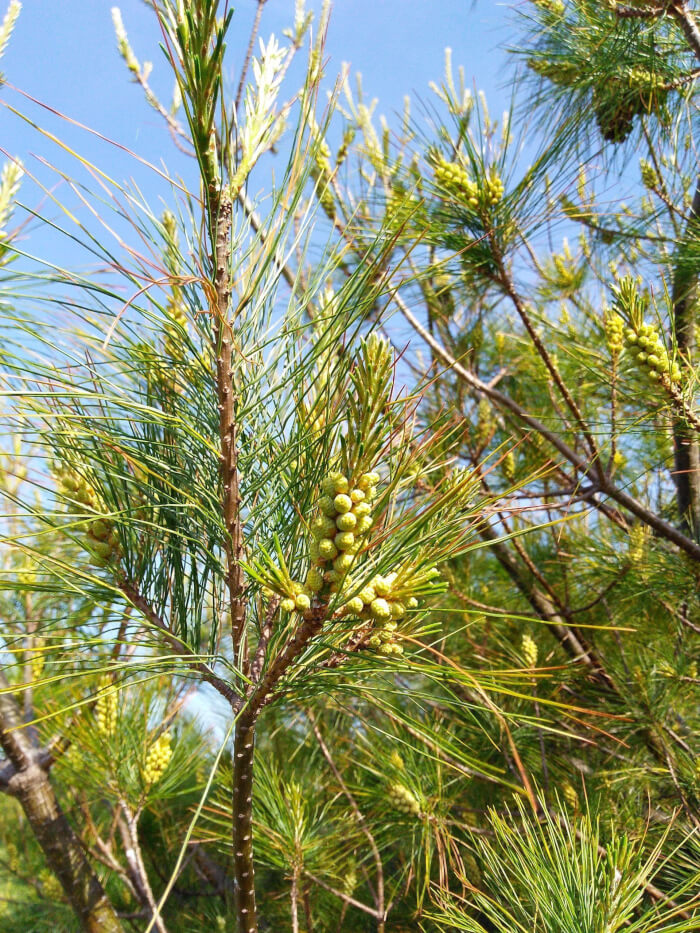
Conifers such as pine, juniper, cedar, and spruce are evergreen trees with needle-like foliage that produce very little pollen. They can also act as natural barriers, blocking pollen that drifts in from surrounding areas.
These trees thrive in well-draining soil and prefer sunny spots. You can use them as hedges, windbreaks, or focal points in your landscape.
Once established, they require little maintenance besides occasional pruning. Conifers keep your yard lush year-round while protecting against pollen exposure.
#7 Fruit Trees
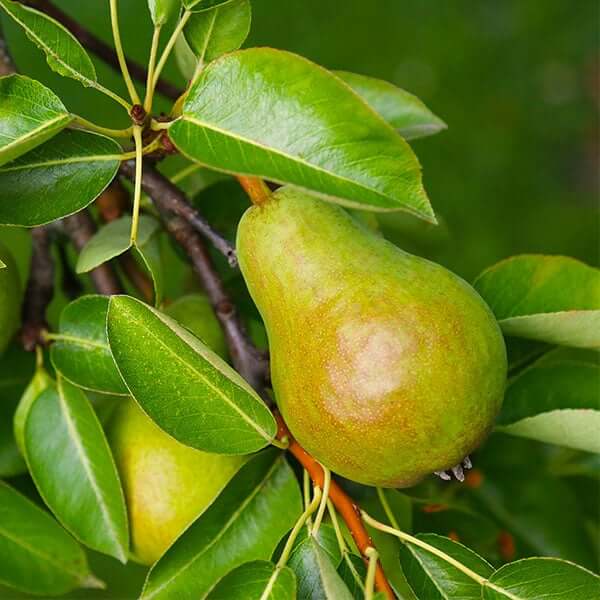
Fruit trees like apples and pears are generally insect-pollinated, meaning they release far less pollen into the air. They offer the dual benefit of spring blossoms and seasonal fruit while remaining allergy-friendly.
Grow them in full sun with fertile, well-draining soil. Water young trees regularly until established, then prune annually to encourage healthy yields.
These trees bring beauty, shade, and food to your garden without aggravating hay fever. With the right care, they can thrive for years.
#8 Geraniums
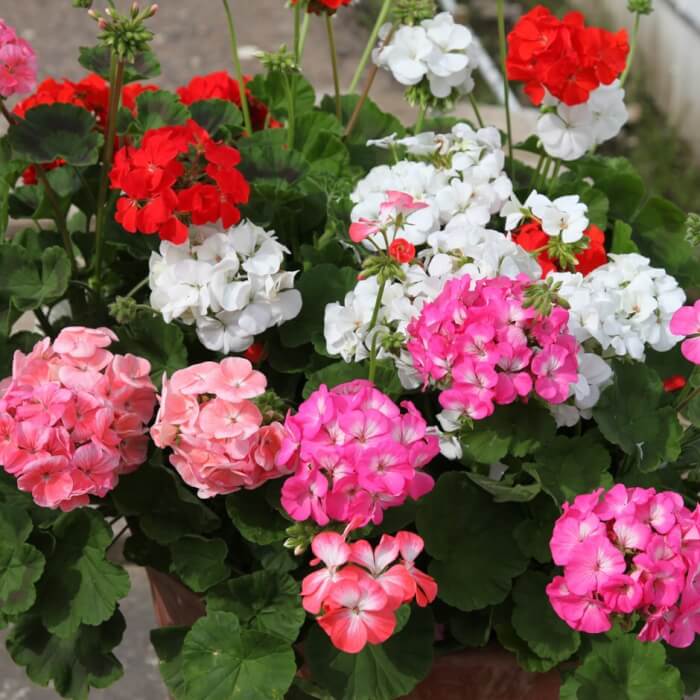
Geraniums are hardy, colorful plants that require very little water and thrive in containers, borders, or window boxes. They are a great choice for allergy sufferers because they produce minimal airborne pollen.
Plant them in well-draining soil with full sun exposure for vibrant blooms. Water them moderately, letting the soil dry out between waterings.
Pinch back leggy stems to encourage fuller growth. Geraniums provide lasting color and fragrance while keeping your garden allergy-friendly.